Foreigners Facing Deportation and Admission Surges at Rionegro Airport Amid Rising Exploitation Concerns in Colombia
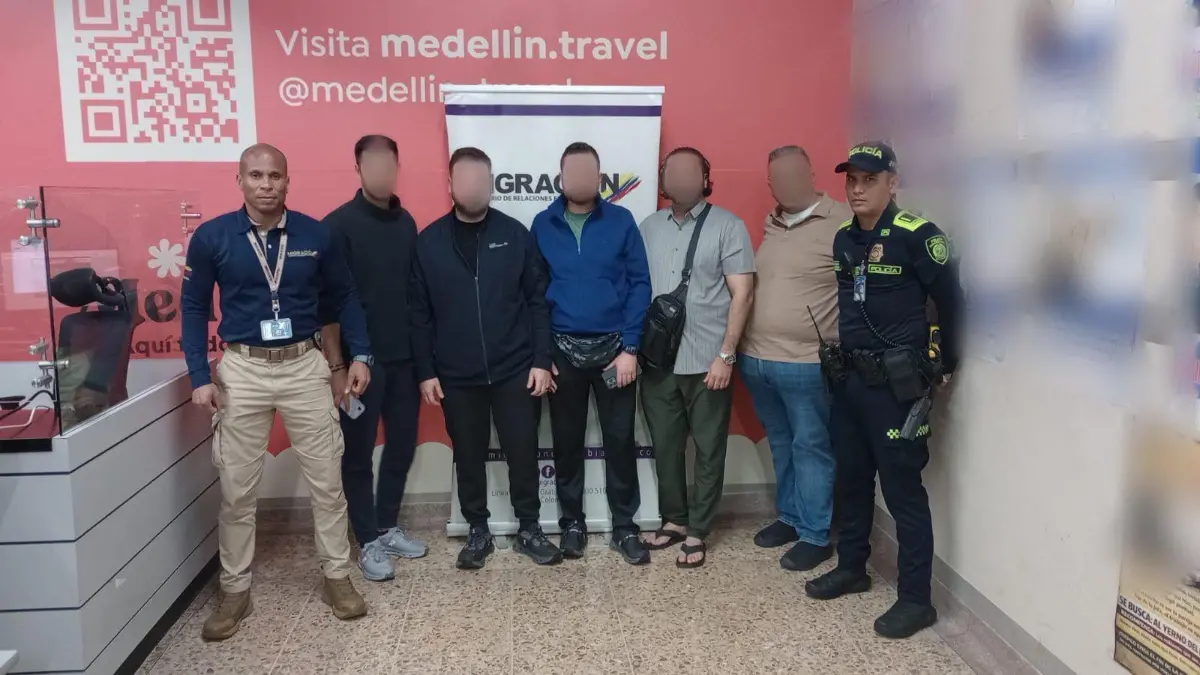
Five U.S. Citizens were denied entry and deported from Colombia’s José María Córdova International Airport in Rionegro on April 21, 2026, after authorities uncovered plans for a sex tourism “bacanal” in Medellín, highlighting a growing crackdown on foreign nationals attempting to exploit Colombia’s lax enforcement of anti-trafficking laws despite rising inadmissibility rates that now total 48 cases in Rionegro alone this year.
The incident began when immigration officers at Rionegro intercepted the group based on suspicious travel patterns and digital evidence recovered from their devices, including messages detailing plans to organize a multi-day event involving paid sexual encounters with local women in Medellín’s El Poblado and Laureles districts. Colombian authorities, acting under Article 188A of the Penal Code which criminalizes promoting or facilitating sexual exploitation, detained the individuals for questioning before initiating deportation proceedings. This case is not isolated; it reflects a disturbing trend where U.S. Citizens account for over 60% of all sexual exploitation-related inadmissibilities in Colombia so far in 2026, according to Migración Colombia data obtained through a public records request.
What makes this particularly alarming is the disconnect between Colombia’s international image as a rising tech and tourism hub and the persistent vulnerability of its local populations to predatory foreign networks. Medellín, once synonymous with cartel violence, has invested heavily in social urbanism and innovation districts like Ruta N, yet informal economies in certain neighborhoods remain susceptible to exploitation. The city’s 2023 Security and Coexistence Plan explicitly identifies sex tourism as a driver of gender-based violence, allocating funds to the Secretaría de las Mujeres for victim support programs—but enforcement remains fragmented between municipal police, the Attorney General’s Office, and migration authorities.
“We are seeing a sophisticated pattern where offenders use tourism visas as cover, coordinate through encrypted apps, and target economically disadvantaged communities. Our response must be intelligence-led, not just reactive.”
— Ana María López, Director of the Anti-Human Trafficking Unit, Fiscalía General de la Nación, speaking at a regional security summit in Bogotá on April 15, 2026.
The economic implications extend beyond morality. Colombia’s tourism sector, which contributed 2.5% to GDP in 2025 according to Banco de la República, risks reputational damage if perceived as a haven for sex tourism. Cities like Cartagena have already responded with targeted interventions; in March 2026, local authorities partnered with the U.S. Embassy to launch a bi-national awareness campaign warning American travelers about penalties under both Colombian law and the U.S. PROTECT Act, which allows prosecution of U.S. Citizens for sexual offenses committed abroad. Yet in Antioquia, where Rionegro serves as the gateway to Medellín’s metro area, coordination between immigration, tourism police, and social services remains inconsistent.
Historically, Colombia has struggled with extraterritorial enforcement gaps. While the 2016 Peace Accord included provisions for victim protection, implementation has lagged in regions outside Bogotá. A 2024 audit by the Contraloría General de la República found that only 38% of municipal anti-trafficking committees had functioning protocols for identifying and assisting victims of foreign-perpetrated exploitation. This systemic weakness creates opportunities for criminal networks to exploit jurisdictional blind spots—precisely what occurred in Rionegro, where the deportees attempted to bypass stricter screening in Bogotá by flying into the eastern Antioquia airport.
For professionals tasked with addressing this crisis—whether legal advocates, law enforcement trainers, or NGO workers—the solution lies in strengthening verification and referral systems. Municipalities need international human rights attorneys who understand extradition treaties and can assist victims in navigating cross-border cases. Simultaneously, anti-trafficking nonprofits require funding to expand mobile outreach teams in transportation hubs like airports and bus terminals. And crucially, municipal compliance officers must be empowered to audit hospitality businesses for signs of facilitation, using tools like Colombia’s National Tourism Registry to flag suspicious activity.
The deportation of these five individuals is a tactical success, but it masks a deeper failure: our reliance on punitive measures without investing in prevention. Until Colombia treats sex tourism not as an isolated immigration violation but as a symptom of global demand intersecting with local inequality, airports will continue to catch only the careless. The real operate happens long before the deportation order— in the training of consular officers, the monitoring of online forums, and the sustained support of community-based organizations that supply vulnerable populations alternatives to exploitation. That is where the World Today News Directory comes in: connecting those on the ground with the verified experts, legal advocates, and civic leaders who are building the infrastructure of accountability, one case at a time.