Food Hygiene and Safety: Preventing Infections and Intoxication
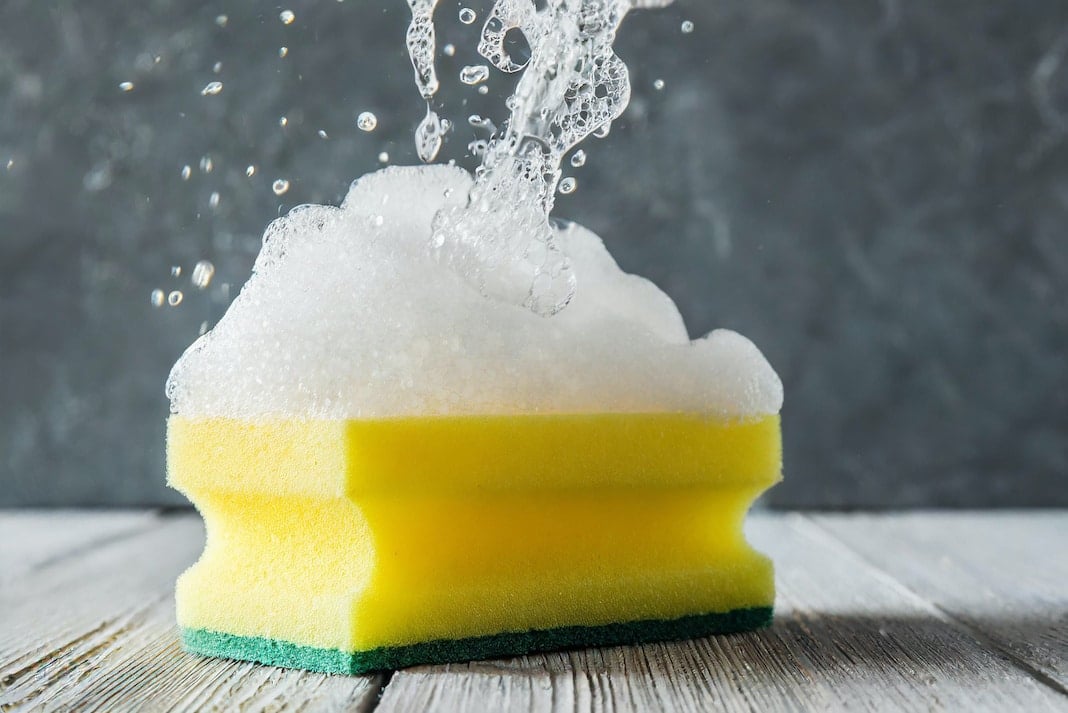
Kitchen sponges can harbor and spread dangerous pathogens including Salmonella and Escherichia coli (E. coli), according to the German Federal Institute for Risk Assessment (BfR). These bacteria survive in the porous structure of the sponge, creating a vector for cross-contamination across food-preparation surfaces that can lead to severe gastrointestinal illness.
- Kitchen sponges act as reservoirs for Salmonella and E. coli due to moisture and organic debris.
- Cross-contamination occurs when sponges are used to clean multiple surfaces without sterilization.
- Immediate replacement or high-heat disinfection is necessary to reduce the risk of foodborne morbidity.
The pathogenesis of foodborne infections often begins with a failure in domestic hygiene. When a sponge is used to wipe a counter after handling raw poultry or contaminated produce, it does not merely remove debris; it collects and concentrates bacteria. According to the World Health Organization (WHO), Salmonella and E. coli are leading causes of diarrheal disease globally, characterized by acute inflammation of the intestinal mucosa. The BfR warns that the structural composition of the sponge provides an ideal microenvironment for these pathogens to proliferate, effectively turning a cleaning tool into a delivery system for infection.
How do sponges facilitate the spread of bacteria?
The mechanism of action involves the sponge’s high absorption capacity and the presence of residual food particles, which serve as nutrients for microbial growth. As the sponge remains damp, it creates a biofilm—a protective layer of extracellular polymers—that shields bacteria from mild detergents. Research published in the Journal of Food Protection indicates that common household cleaning methods often fail to penetrate these biofilms, allowing pathogens to persist for days or weeks.

This persistence increases the statistical probability of an outbreak within a household. If a user wipes a “clean” plate with a contaminated sponge, they are introducing a concentrated bacterial load directly onto a surface intended for food consumption. For individuals with compromised immune systems or the elderly, this exposure can lead to systemic infections beyond simple gastroenteritis. In such cases, it is critical to consult with [Infectious Disease Specialists] to manage potential sepsis or severe dehydration resulting from acute food poisoning.
What are the clinical risks of Salmonella and E. coli exposure?
Salmonella enterica and certain strains of E. coli, such as O157:H7, can cause significant morbidity. The clinical progression typically begins with nausea, abdominal cramping, and fever. However, the risk extends to more severe complications. According to the PubMed database, certain E. coli strains produce Shiga toxins that can lead to Hemolytic Uremic Syndrome (HUS), a condition resulting in acute kidney failure.

“The risk is not merely a stomach ache; it is the potential for permanent organ damage in vulnerable populations when pathogens are reintroduced into the food chain via contaminated cleaning tools,” states the clinical consensus on foodborne vectors.
To mitigate these risks, healthcare providers emphasize the “standard of care” for kitchen hygiene: the use of disposable cloths or the frequent replacement of sponges. For those who have already contracted a foodborne illness, diagnostic confirmation via stool culture is essential. Patients are encouraged to visit [Certified Diagnostic Centers] for rapid pathogen identification and targeted antibiotic therapy if indicated.
How can households effectively eliminate these pathogens?
The BfR and other public health agencies suggest that traditional soap and water are insufficient for sterilizing a sponge. To break the cycle of contamination, the following protocols are recommended:
- Thermal Disinfection: Boiling sponges for several minutes or using a microwave (only while the sponge is wet) can reduce microbial loads, though this may degrade the material.
- Frequent Replacement: Replacing sponges weekly is the most effective way to prevent the buildup of biofilms.
- Surface Separation: Using separate tools for high-risk areas (e.g., raw meat prep zones) and low-risk areas (e.g., dining tables).
From a regulatory and B2B perspective, the persistence of these pathogens in domestic settings highlights a gap in consumer product design. Commercial kitchen operators and food service providers must adhere to strict HACCP (Hazard Analysis and Critical Control Points) guidelines to avoid massive liability. Businesses failing to implement these standards often require the expertise of [Healthcare Compliance Attorneys] to navigate the legal repercussions of a public health outbreak.
What is the long-term outlook for domestic hygiene?
The trajectory of food safety research is moving toward antimicrobial materials. Scientists are exploring the integration of silver ions or other bioactive agents into sponge polymers to inhibit bacterial colonization. However, until these technologies become the household standard, the primary defense remains behavioral change and rigorous adherence to sanitation protocols.
Reducing the morbidity associated with Salmonella and E. coli requires a combination of public awareness and professional medical oversight. Whether managing a sudden outbreak or implementing long-term preventative measures, accessing vetted medical professionals is the only way to ensure patient safety. Those seeking to upgrade their facility’s hygiene standards or individuals recovering from foodborne illness should utilize our directory to find [Board-Certified Gastroenterologists] and sanitation consultants.
Disclaimer: The information provided in this article is for educational and scientific communication purposes only and does not constitute medical advice. Always consult with a qualified healthcare provider regarding any medical condition, diagnosis, or treatment plan.