
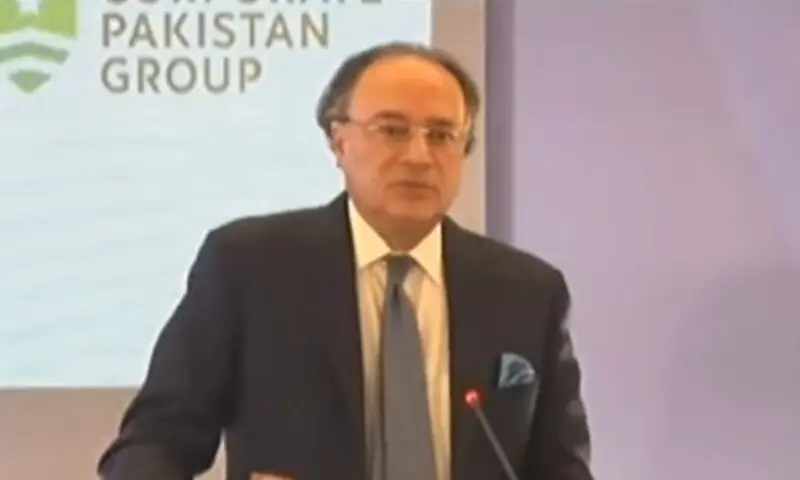
Islamabad, Pakistan – January 19, 2026 – Pakistan is navigating a complex economic landscape marked by the departure of several multinational corporations (mncs) and a concerted government effort to attract new investment and stabilize the nation’s finances. Finance Minister Muhammad Aurangzeb recently addressed these challenges,acknowledging the impact of high taxes and energy costs on the business environment while urging companies to adapt to a “modern world” approach.
the Growing trend of MNC Exits
Over the past few years, Pakistan has witnessed a concerning trend of MNCs scaling back or fully exiting the market. Notable companies that have either ceased operations or considerably reduced their presence include Procter & Gamble, Eli Lilly, Shell, Microsoft, Uber, and Yamaha. These departures signal a loss of foreign investment, potential job losses, and a dent in Pakistan’s economic reputation.
Aurangzeb admitted that these exits are linked to genuine concerns about the cost of doing business in Pakistan. “There are firms that are leaving Pakistan, which is true, and we must acknowledge if the taxation is high, energy cost is high, or financing cost, those have been real issues,” he stated during the Pakistan Policy dialog hosted by the Policy Research & Advisory Council (PRAC) in Islamabad.
beyond Taxation: A Multifaceted Problem
While acknowledging the financial burdens, Aurangzeb also emphasized the need for businesses to evolve. He suggested that companies clinging to outdated business models are ill-equipped to thrive in the current global economy. “But it takes two to tango […] if you are wedged into your business models from the last 50 years, it is not going to work in the modern world,” he asserted.
Analysts point to a confluence of factors contributing to the exodus, including global restructuring within these companies, increased competition from local businesses, and ongoing security concerns. The specific reasons vary from company to company, but the overall trend highlights the challenges of maintaining a competitive investment climate in Pakistan.
Government Initiatives for Economic Revival
The Pakistani government is responding to these challenges with a series of economic reforms and initiatives aimed at attracting foreign investment and stabilizing the economy. aurangzeb highlighted the success stories of companies like Nestle and Unilever, which have managed to thrive by focusing on local sourcing and export-oriented strategies. “If Nestle and Unilever can do local sourcing,which keeps their margins high,they are now able to export,which is why they continue operating here,” he explained.
Privatization and SOE Reform
A key component of the government’s strategy is the privatization of State-Owned Enterprises (SOEs). Aurangzeb announced that 24 SOEs have been transferred to the Privatisation Commission, with the goal of reducing the financial burden these entities place on the national exchequer. He pointed to the closure of the Utility Stores corporation and the Pakistan Agricultural Storage and Services Corporation (PASSCO) as examples of difficult but necessary decisions driven by unsustainable subsidy programs and widespread corruption.
Fiscal and Monetary Reforms
The government is also undertaking notable fiscal and monetary reforms. These include a plan to phase out regulatory Duty (RD), Customs Duty (CD), and Additional Customs Duty (ACDs) over the next five years, aiming to lower intermediary and raw material costs and boost exports. Aurangzeb framed this as a potentially transformative moment for Pakistan, stating it might very well be the nation’s “East Asia moment.”
Moreover, the government is pushing for greater digitization of financial transactions, with a goal of processing all government payments through digital channels by June of this year. This initiative is expected to improve clarity and reduce opportunities for corruption.
Debt Management and New Financing
recognizing debt servicing as the “single largest expense item” for the country, the government is modernizing its debt management office to improve investor relations and enhance efficiency. Last year, the country reportedly saved approximately Rs850 billion through debt servicing improvements, and officials are optimistic about achieving similar results this year. Plans are also underway to issue Panda Bonds – bonds denominated in Chinese Yuan – in the coming weeks, pending final approvals.
Regulation of Cryptocurrency
Acknowledging the growing prominence of digital currencies, the government is committed to bringing cryptocurrency trading into a regulated environment. Aurangzeb noted that billions of dollars in crypto transactions are currently occurring outside of the formal financial system and emphasized the need for oversight.
Looking ahead: challenges and Opportunities
Pakistan faces significant economic headwinds, but the government’s commitment to reform and attract investment offers a glimmer of hope. The success of these initiatives will depend on sustained political will, effective implementation, and a willingness to address the underlying structural issues that have hampered economic growth for decades. The departure of major MNCs serves as a stark warning, but also as a catalyst for change. Pakistan’s ability to adapt, innovate, and create a more competitive business environment will be crucial in determining its economic future.
