Florida International University Team Shows Genetic Markers Link Deep Gulf of Mexico Species to Extinction Risk
Marine animals in the deep Gulf of Mexico are far more vulnerable to extinction than once believed.
While the abyss was long viewed as a secure sanctuary, new research published in Nature Communications suggests a silent biodiversity crisis is unfolding in these remote, high-pressure environments.
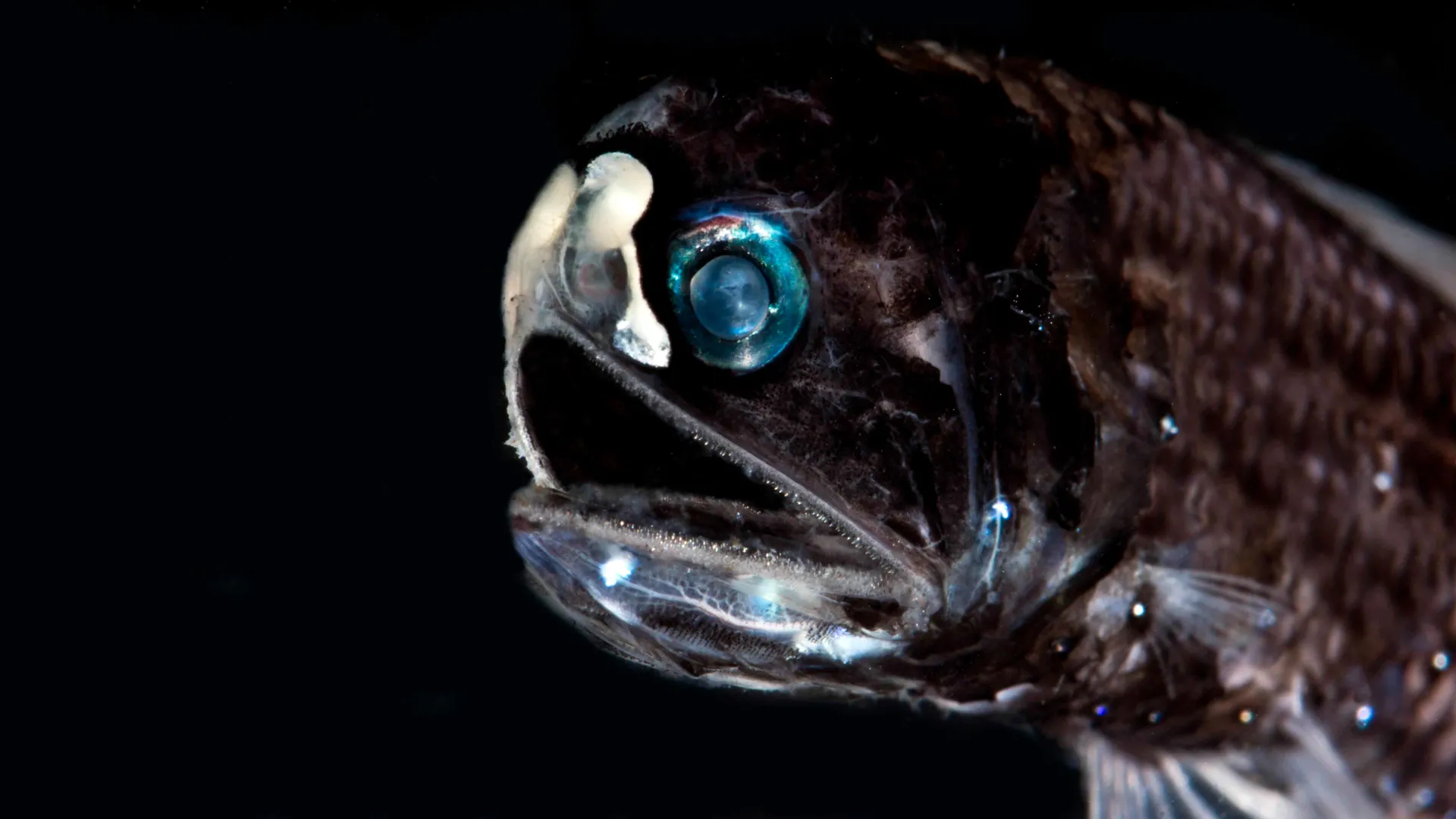
A team from Florida International University tracked 12 years of genetic data from 486 specimens, including three species of lanternfish and two of deep-sea shrimp. Collected between 2011 and 2023, the data reveals that every species examined carries genetic markers linked to a higher risk of extinction, according to Science Daily.
“This challenges the idea that deep-sea species are naturally more resilient because they occupy such vast environments,” said Pedro A. Peres, the study’s lead author from the Bracken-Grissom Lab.
“It shows how much we can miss when we look only at population abundance without considering their genetic diversity and long-term viability,” said Pedro A. Peres.
The numbers indicate a narrowing genetic bottleneck. The lanternfish Diaphus dumerilii shed roughly 8% of its genetic diversity over the 12-year study period. This rate of decline is equal to, or in some cases worse than, the losses seen in endangered species over significantly longer periods. Across all five species, effective population sizes remain small, meaning a limited number of individuals are contributing to the gene pool of future generations.
Genetic study breaks new ground for deep-sea research
Peres.
Models predict severe habitat loss by 2100
Researchers used climate models to estimate how suitable the Gulf’s deep-sea habitats will remain for the studied species by 2050 and 2100. Projections indicate that four of the five species could lose up to 70% of their suitable habitat, a shrinkage that compounds the genetic vulnerabilities already observed.
Peres said these results are especially troubling given the longstanding assumption that the vast habitats and broad distributions of deep-sea animals naturally support large, resilient populations. The findings suggest that environmental disruptions could have repercussions extending well beyond their immediate impact.
Spill impacts may reach genetically compromised populations
Events such as oil spills may affect populations that already possess limited genetic resilience, Peres noted.
Climate Projections and Habitat Risk
Researchers estimate that four of the five studied species could lose up to 70% of their habitat by 2100.
These findings complicate the legacy of the 2010 Deepwater Horizon oil spill. While the research stops short of claiming a direct causal link, the data suggests that these deep-sea populations may have been genetically compromised long before the disaster occurred.
“Genetic diversity provides the variation populations need to adapt to changing conditions, resist disease and recover from environmental disturbances,” said Heather Bracken-Grissom, a study co-author and assistant director of the Institute of Environment’s Coastlines and Oceans Division.
“When that diversity disappears, a species can also lose the ability to withstand future threats,” said Heather Bracken-Grissom.
The research, which also included co-authors Keith Sellers of Florida International University and Tracey T. Sutton of Nova Southeastern University, calls for a shift in how marine life is monitored. By integrating genetic tracking into standard biodiversity assessments, scientists hope to catch these declines before they become irreversible.
Florida International University’s Bracken-Grissom Lab, led by study co-author Heather Bracken-Grissom, assistant director of the Institute of Environment’s Coastlines and Oceans Division, contributed critical expertise to the research. The university’s R1: Doctoral Universities – Very high research activity classification, as designated by the Carnegie Foundation, underscores its capacity for such groundbreaking marine studies.
Additionally, FIU’s Institute of Environment, which houses the Coastlines and Oceans Division, has long supported interdisciplinary research into deep-sea ecosystems, further solidifying the university’s reputation in this field.
“This study serves as a wake-up call for the scientific community,” said Pedro A. Peres, “highlighting the urgent need to integrate genetic monitoring into biodiversity assessments and emphasizing the importance of long-term monitoring to better understand and detect changes in marine populations over time.”