Floating Wetlands Cut Wastewater Emissions by 30% in World-First Trial
A floating garden of native Australian plants installed on a wastewater lagoon in eastern Victoria has cut greenhouse gas emissions by roughly 30 percent, according to a world-first study by RMIT University, Westernport Water, and the CSIRO.
The Trial and Its Findings
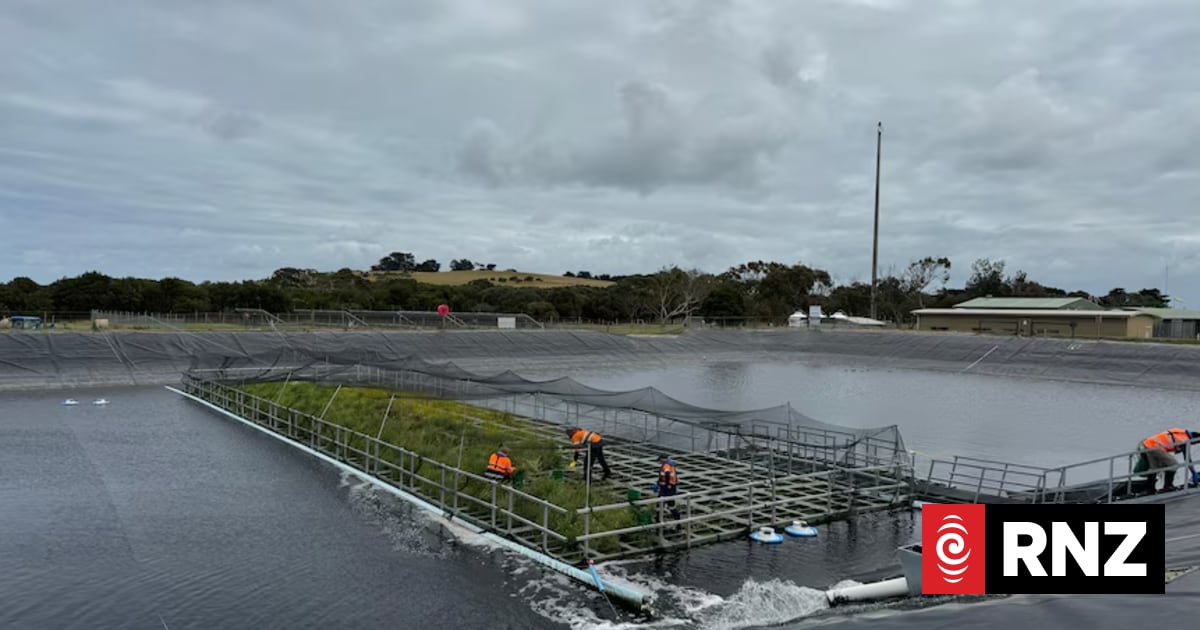
The 330-square-metre platform—spanning an area roughly the size of one-and-a-half tennis courts—was deployed on a wastewater lagoon containing about 14 million litres of water on Phillip Island. According to findings from the two-year trial, the system reduced carbon dioxide emissions by up to 36 percent, methane by up to 66 percent, and nitrogen by 18 percent when compared against a control lagoon operating without a wetland.
Researchers monitored emissions continuously using solar-powered sensors deployed every month. Lukas Schuster, a research fellow at RMIT’s Centre for Nature Positive Solutions, said the buoyant platforms feature wetland plants with roots extending directly into the wastewater. “Floating wetlands are, you can imagine, like buoyant platforms that basically have the wetland plants planted onto them and the roots are hanging down into the water,” Schuster said. “So they’re made to clean the water basically.”
Mechanisms and Global Impact
According to research teams involved in the project, the trailing root systems create a biological habitat for microbes capable of breaking down organic matter while absorbing nutrients and pollutants. Schuster noted that wastewater treatment represents a substantial source of global greenhouse gas emissions, producing roughly 700 million tonnes annually worldwide, and approximately one million tonnes each year in Victoria alone. “Reducing those emissions is very tricky, but it’s a very important step that we show basically that we can reduce emissions in open lagoons,” Schuster said.
Beyond carbon and methane reductions, researchers highlighted additional remediation capabilities. Water companies have already expressed interest in further trials targeting pollutant removal, including perfluoroalkyl and polyfluoroalkyl substances, commonly known as PFAS, alongside providing localized biodiversity habitats.
Next Steps for Agricultural Dams
Following the completion of the wastewater lagoon study, researchers are expanding the technology to farm dams across the Bass Coast to test impacts on water quality, biodiversity, and emissions under different conditions.

Future iterations of the technology will examine the sustainability of the platform materials themselves. Schuster stated that upcoming research will investigate replacing plastic-based baskets with recycled or plant-based materials to make the floating platforms more environmentally sustainable.