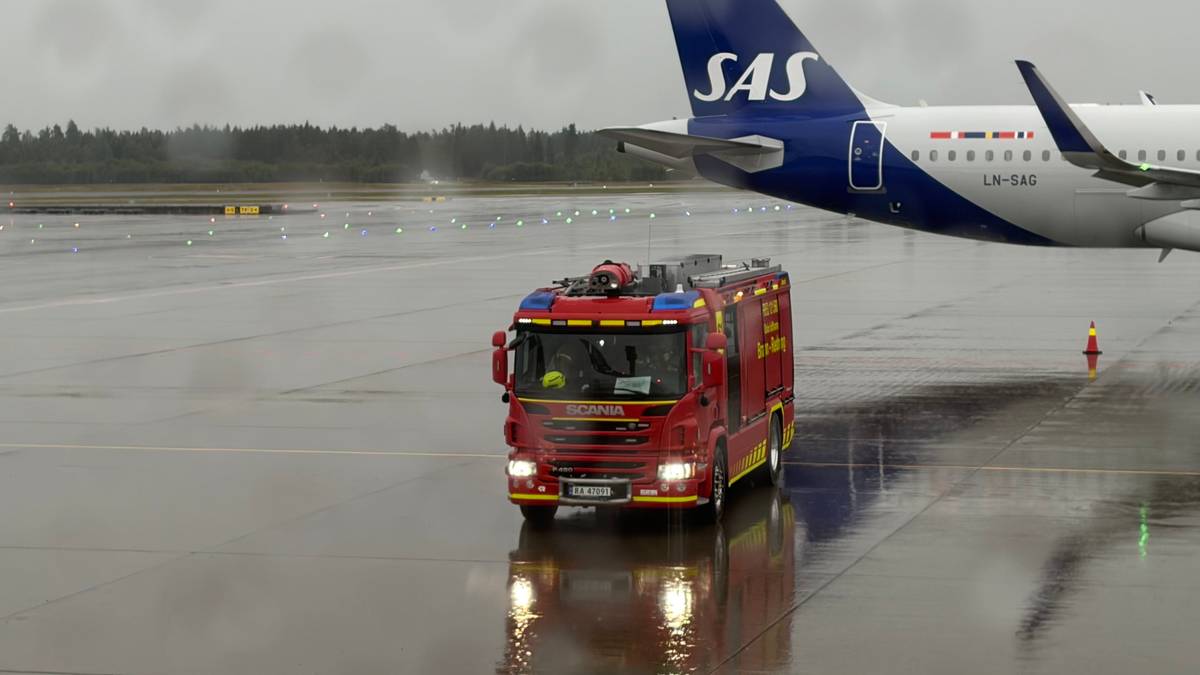
Flight From Trondheim to Munich Makes Emergency Landing at Gardermoen
A commercial flight traveling from Trondheim to Munich was forced to make an emergency landing at Oslo Airport, Gardermoen, on July 18, 2026, after technical issues prompted a high-alert response. Upon arrival, the aircraft was met by six fire trucks as a precautionary measure, highlighting the rigorous safety protocols governing Norwegian airspace.
Emergency Protocols and the Gardermoen Response
The diversion occurred mid-flight as the aircraft encountered an undisclosed technical irregularity. While the specific nature of the mechanical fault remains under investigation, the decision to divert to Oslo Airport, Gardermoen, was executed in accordance with standard aviation safety mandates. The presence of six fire trucks on the tarmac is a routine, high-level precautionary response at international hubs like Gardermoen, designed to ensure immediate containment if a landing results in fire or structural failure.
According to reports from NRK, the landing was completed successfully, and no injuries were reported among the passengers or crew. The aircraft was taxied to a secure area where ground crews initiated an assessment of the mechanical systems.
For passengers caught in such incidents, the immediate aftermath often involves complex logistical hurdles, including rebooking, temporary accommodation, and potential insurance claims. Travelers experiencing significant delays due to technical diversions may benefit from consulting with specialized travel legal services to understand their rights under European aviation regulations, specifically regarding compensation for flight disruptions.
Aviation Safety Infrastructure in Northern Europe
The incident underscores the importance of the robust safety network managed by Avinor, the state-owned company that operates most of Norway’s civil airports. Gardermoen serves as the primary gateway for international traffic in the region, and its emergency infrastructure is designed to handle large-scale commercial incidents with minimal disruption to the wider airport ecosystem.
Aviation experts often point to the “Swiss Cheese” model of accident prevention, where multiple layers of defense—including air traffic control, ground-based emergency teams, and pilot training—work in tandem to mitigate risks. When an aircraft reports a technical issue, the transition from routine flight to emergency status is highly choreographed.
“The deployment of six fire units is not necessarily an indication of an active fire, but rather a standard tier-one safety protocol for any aircraft reporting a critical system warning. It ensures that if the situation degrades during the landing roll, the response time is effectively zero,” noted a regional aviation safety analyst familiar with Scandinavian airport operations.
Navigating the Aftermath of Flight Disruptions
Beyond the immediate safety concerns, an emergency landing triggers a cascade of administrative and operational challenges. Airlines are required to provide transparency regarding the cause of the diversion, particularly when the incident involves mechanical maintenance failures. In instances where technical negligence is suspected or where passenger rights are infringed upon, engaging professional aviation consultants can provide the necessary oversight to ensure that safety standards are not being compromised for operational efficiency.
Furthermore, businesses and individuals frequently traveling through Norway’s hub airports should be aware of the emergency logistics and crisis management resources available to them. Whether it is navigating the legalities of international air travel or managing the fallout of sudden schedule changes, having access to vetted professional guidance is essential for minimizing personal and professional disruption.
The Regulatory Landscape of Air Travel
The European Union Aviation Safety Agency (EASA) maintains strict oversight of all carriers operating within its jurisdiction. Any technical malfunction that results in an emergency landing requires a formal report to be filed with the Civil Aviation Authority (CAA) of the country where the incident occurred. This data is then aggregated to identify patterns in aircraft performance, ensuring that global manufacturers—such as Boeing or Airbus—can issue service bulletins if a systemic fault is detected.
As the aviation industry continues to integrate more complex digital flight management systems, the frequency of “technical” diversions may fluctuate. While modern aircraft are safer than ever, the complexity of these systems means that ground-based emergency responses remain the final, vital safety net for passengers and crew alike.
While this event concluded without harm, it serves as a stark reminder of the volatility inherent in air travel. When infrastructure failure or mechanical uncertainty disrupts your plans, the gap between a stressful ordeal and a managed solution is often bridged by professional expertise. For those seeking to mitigate the risks associated with global mobility or requiring assistance with the complex regulatory frameworks governing travel and logistics, connecting with the right experts is the most prudent step forward.