
Flash Flood Warning: Safety Tips and Weather Forecast Updates
More than 60 million people across the Eastern United States, stretching from Ohio to Massachusetts and Virginia, are preparing for severe weather and flash flooding as of July 6, 2026. The National Weather Service has issued warnings for these regions, citing a high risk of rapid water accumulation that could jeopardize infrastructure and public safety.
This weather system creates an immediate crisis for homeowners and municipal managers. When flash floods hit, the damage isn’t just the standing water; it’s the systemic failure of electrical grids and the contamination of potable water sources. For those in the path of this storm, the priority shifts from preparation to mitigation.
Why is the flash flooding risk so high across the East Coast?
The current atmospheric conditions have stalled a high-moisture system over the Mid-Atlantic and Northeast. According to the National Weather Service, the primary driver is an atmospheric river-like effect that is dumping several inches of rain per hour in concentrated pockets. This exceeds the absorption capacity of the soil, leading to immediate runoff into urban drainage systems that are already strained.

In cities like Columbus, Ohio, and Boston, Massachusetts, the “urban heat island” effect can sometimes intensify these bursts of precipitation. When concrete cannot absorb water, the result is a sudden surge in street-level flooding. This puts a massive strain on city sewage systems, often leading to combined sewer overflows (CSOs) that leak untreated waste into local waterways.
Property owners facing these conditions often find themselves in a race against time. Once water enters a basement or commercial crawlspace, the risk of structural compromise and mold growth begins within hours. Securing vetted emergency restoration contractors is now the critical first step for those attempting to save their assets from total loss.
Which regions face the most immediate danger?
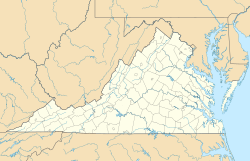
The danger zone is broad, but the impact is localized. Virginia and the Appalachian foothills are particularly vulnerable to mudslides and debris flows due to the steep terrain. In contrast, the flatlands of Ohio face prolonged inundation where water sits for days, destroying crops and flooding residential basements.
Massachusetts and the surrounding New England states are dealing with a combination of high tide surges and heavy rainfall. This “double-hit” scenario prevents inland water from draining into the ocean, effectively trapping floodwaters in coastal cities.
The economic toll of such events is measured in billions. Beyond the immediate physical damage, there is the “hidden” cost of business interruption. Local shops and warehouses often lose inventory not to the water, but to the power outages that kill refrigeration and climate control. This is why business owners are increasingly relying on [Commercial Insurance Specialists] to navigate the complex claims process associated with “Acts of God” clauses.
How does this compare to previous flooding events?
The 2026 event shows a pattern similar to the historic floods of the last decade, but with a higher intensity of “rain bombs”—short, violent bursts of precipitation. While previous storms may have been more gradual, the current system is characterized by its volatility.
| Metric | Typical Storm Pattern | July 2026 Event |
|---|---|---|
| Rainfall Rate | Steady, moderate precipitation | High-intensity “bursts” |
| Impact Area | Localized basins | Multi-state corridor (OH to MA) |
| Primary Risk | Riverine flooding | Flash flooding & Urban runoff |
This shift in weather patterns means that traditional flood maps may be outdated. Areas previously marked as “low risk” are seeing water in places it has never been before. This discrepancy often leads to legal battles between homeowners and insurance providers over whether a specific area was “foreseeably” flood-prone.
What are the long-term implications for regional infrastructure?
The repetitive nature of these extreme events is exposing the fragility of the U.S. power grid and road networks. In Virginia and Ohio, repeated flooding erodes the substructure of bridges and highways, leading to “silent failures” where a road looks intact but is structurally unsound.

Municipalities are now forced to choose between patching old systems or investing in “grey-green” infrastructure—combining traditional pipes with permeable pavements and urban wetlands. However, the funding for these projects often lags behind the frequency of the disasters.
For those navigating the aftermath, the legal landscape is just as treacherous as the physical one. From disputes over zoning laws to negligence claims against developers who ignored drainage requirements, the fallout persists long after the clouds clear. Many affected residents are consulting [Environmental Law Firms] to determine if municipal failure contributed to their property loss.
The scale of this event—affecting 60 million people—underscores a growing reality: the “once-in-a-century” storm is becoming a seasonal expectation. As the geography of risk shifts, the only reliable defense is a network of verified professionals. Whether it is a structural engineer assessing a cracked foundation or a legal expert fighting an insurance denial, the ability to find trusted, local expertise is the difference between a total loss and a full recovery. The World Today News Directory remains the primary resource for connecting displaced and damaged communities with the professional services required to rebuild.