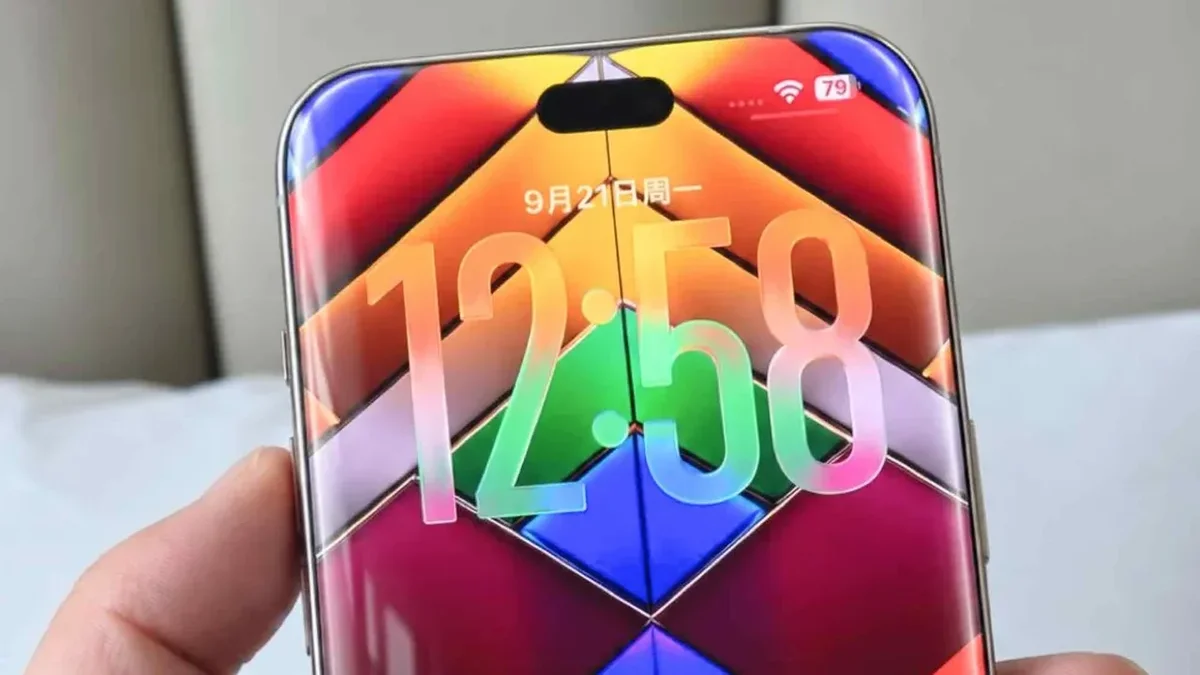
Fixed Focus Digital: Apple Testing Ceramic Parts for iPhone 20 in EVT Phase
Reports of Apple manufacturing ceramic components for the iPhone 20 have surfaced, prompting doubts about whether the material can work for a mass-market smartphone.
Industry insider Fixed Focus Digital claimed on social media that the company is currently producing these parts in limited batches, according to PhoneArena.
The components are reportedly in the engineering validation testing (EVT) phase. While Apple has used ceramic before in the Apple Watch 12, scaling the material to a handset presents major technical and manufacturing hurdles.
Technical ceramic is prized for its extreme hardness, measuring 9 on the Mohs scale, which makes it nearly as resistant to scratching as sapphire. However, the material is also brittle. “Your iPhone 20 Ceramic Edition will be virtually unscratchable, but drop it the wrong way and the back or frame will chip or shatter into pieces,” PhoneArena reported.
Beyond durability, ceramic functions as a heat insulator. This creates a risk for internal hardware, as the material prevents heat from dissipating effectively.
Manufacturing these parts is also an intensive process; for instance, the Huawei Watch GT3 ceramic edition requires firing at 1,500°C for seven days, followed by 13 distinct polishing steps.
These production demands, combined with Apple’s rumored plans for a bezel-less, quad-curved display and a 3D-printed titanium frame, suggest the device could carry a much higher price tag than previous models.
Industry observers have said that if such a device reaches the market, prices could start between $2,000 and $3,000.
The concept of a ceramic smartphone is not new. Xiaomi previously released the Mi Mix 2 Special Edition in 2017 with a ceramic unibody. While the device was noted for its unique aesthetic, the manufacturer eventually returned to glass after users reported issues with chipping and sharp edges.