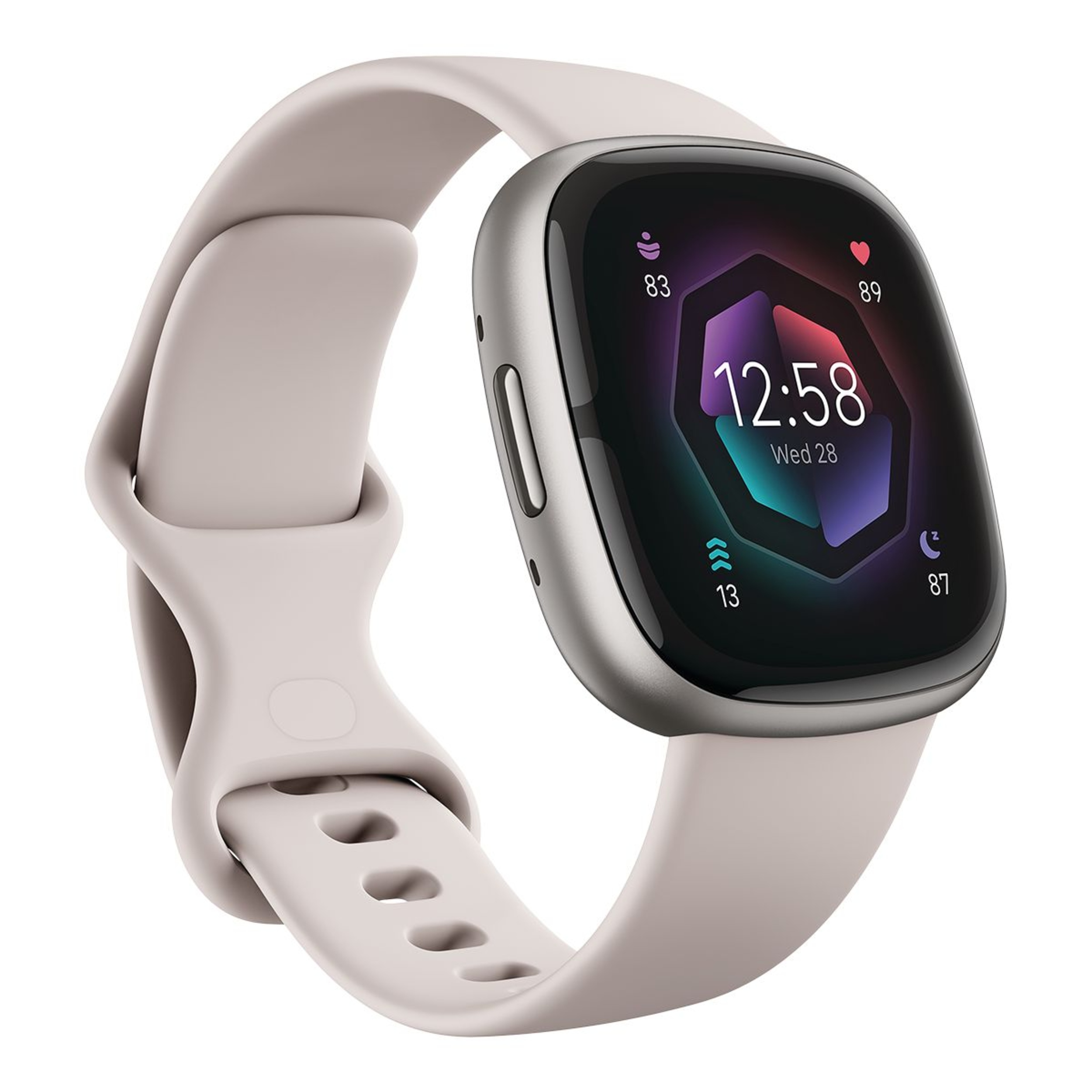
Fitbit Air Review: AI Coaching Over Screens
Google has introduced the Fitbit Air, a wearable device that eliminates a traditional display in favor of an AI-driven coaching interface. The hardware functions primarily through voice interaction and sensor-based feedback, requiring users to rely on a subscription-based AI service to interpret health and fitness data.
Shift to Screenless Hardware
The Fitbit Air represents a departure from the company’s established product line, which has historically centered on devices featuring OLED or LCD touchscreens. By removing the display, the hardware footprint is significantly reduced, focusing instead on biometric sensors and haptic feedback. According to reports from Tweakers, the device is designed to be a minimalist wearable that offloads data processing and user interaction to a smartphone-linked AI coach.
This design choice shifts the user experience from active screen navigation to passive data collection. Users interact with the device through voice commands, with the AI providing summaries and actionable health insights via connected audio devices or smartphone notifications.
AI Integration and Subscription Model
The core functionality of the Fitbit Air is locked behind a subscription service. While the hardware captures raw metrics—such as heart rate, sleep patterns, and physical activity—the interpretation of this data is managed by Google’s proprietary AI engine.
Tweakers notes that the effectiveness of the device is contingent upon this AI layer, which provides personalized coaching that is unavailable to non-subscribers. This strategy aligns with Google’s broader push to integrate generative AI across its hardware ecosystem, moving away from simple dashboard-based tracking toward predictive health guidance.
Market Positioning and User Impact
The transition to a screenless model creates a distinct divide between the Fitbit Air and competing fitness trackers from brands like Garmin or Samsung, which continue to emphasize high-resolution displays for real-time data viewing.
As reported by HLN, the decision to prioritize AI coaching over a display suggests that Google is targeting users who prefer automated, conversational health insights over manual data review. The device’s success depends on the reliability of the AI’s voice-based feedback and the perceived value of the subscription service.
Google has not yet disclosed the specific pricing tiers for the AI coaching subscription or the global rollout schedule for the device. The company remains in the testing phase regarding how these AI-driven features will interface with existing third-party health applications.