
Fire Smoke Exposure: A Deep Dive into Immune System disruption
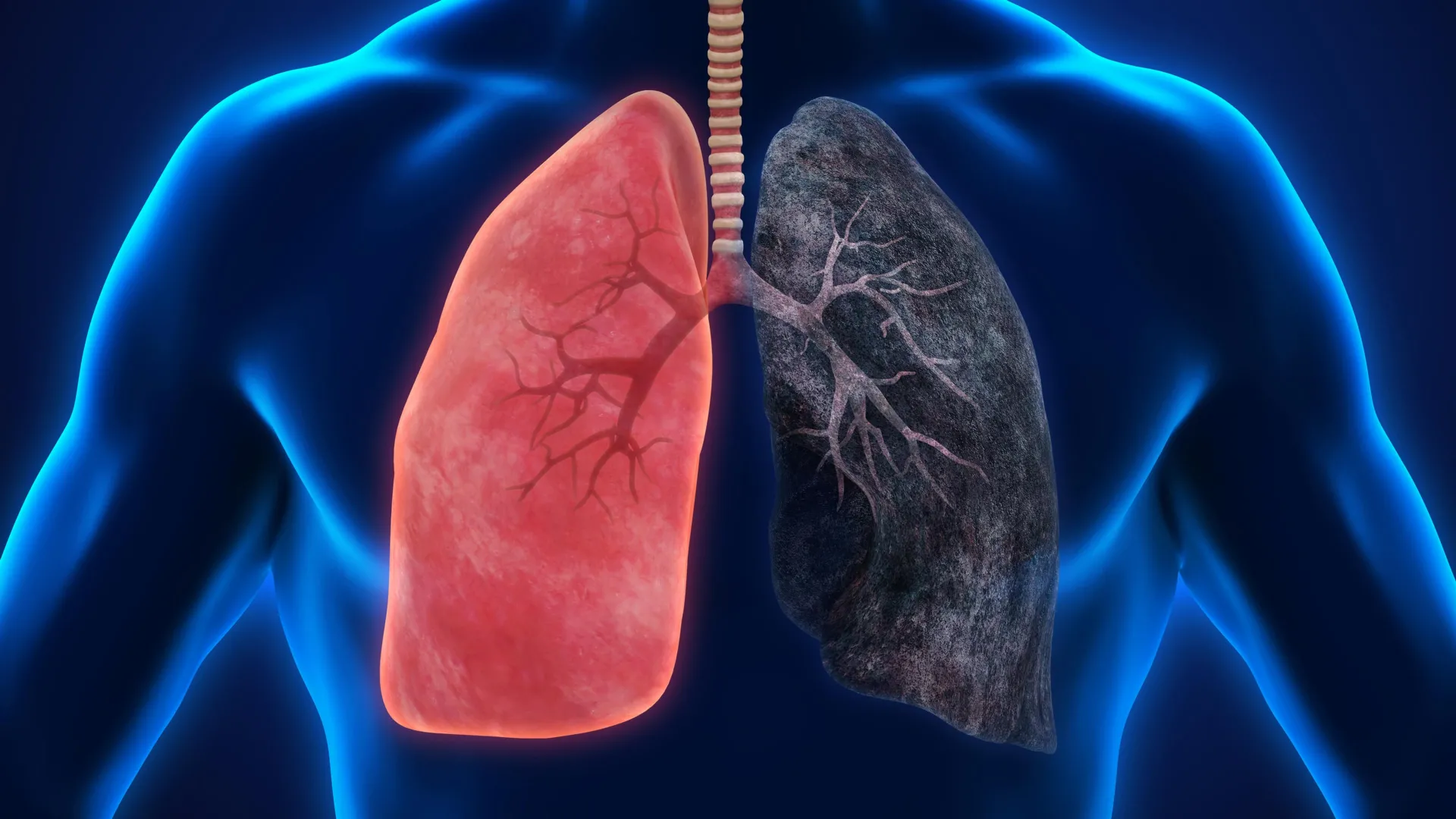
Wildfires are becoming increasingly frequent adn intense, posing a growing threat to public health. Beyond the immediate dangers of flames, the smoke produced by these fires contains a complex mixture of gases, particulate matter, and toxins that can have lasting effects on human health. Recent research from Harvard T.H. Chan School of public Health has revealed that even healthy adults exposed to fire smoke experience significant alterations to their immune systems,with changes observed at the cellular and genetic levels. This groundbreaking study, published in Nature Medicine, provides critical insights into the mechanisms by which smoke exposure impacts the body and opens avenues for developing preventative and therapeutic strategies.
What’s in Fire Smoke and Why is it Harmful?
Fire smoke isn’t simply “smoke.” It’s a complex aerosol containing a cocktail of harmful substances. These include:
- Particulate Matter (PM): Tiny particles that can be inhaled deep into the lungs, causing respiratory problems and cardiovascular issues. PM2.5 (particles 2.5 micrometers or less in diameter) is particularly risky as it can enter the bloodstream.
- Gases: Carbon monoxide, nitrogen oxides, and volatile organic compounds (VOCs) can irritate the lungs, trigger asthma attacks, and contribute to other health problems.
- Toxic Metals: Smoke can carry heavy metals like mercury and cadmium, released from burning buildings and materials. These metals can accumulate in the body and disrupt immune function.
- Per- and Polyfluoroalkyl Substances (PFAS): Often found in building materials and firefighting foams, PFAS are persistent environmental contaminants linked to various health issues, including immune suppression.
- Carcinogenic Compounds: Polycyclic aromatic hydrocarbons (pahs) and other compounds present in smoke are known carcinogens, increasing the risk of cancer.
Previously, the negative health outcomes of smoke exposure – including respiratory illness, cardiac events, neurological effects, and adverse pregnancy outcomes – were observed, but the underlying biological mechanisms remained largely unknown. This new research begins to unravel those mechanisms, focusing on the immune system’s response.
How Fire Smoke Alters the Immune System
Researchers at Harvard T.H. chan School of public Health conducted a study comparing the immune profiles of 31 adults exposed to fire smoke (including firefighters and civilians) with those of 29 unexposed adults. Crucially, all participants were healthy and not taking medications that could affect their immune systems. Blood samples were collected within one month of smoke exposure, allowing for a snapshot of the immediate immune response.
Using advanced single-cell analysis techniques – including epigenetic assays and mass cytometry – the researchers examined individual cells within each blood sample. This allowed them to identify subtle but significant changes in immune cell populations and gene expression.
Key Findings:
- Increased Memory CD8+ T cells: Smoke-exposed individuals showed an increase in these cells, which are crucial for long-term immunity against pathogens. While seemingly beneficial, an overabundance of these cells can contribute to chronic inflammation.
- Elevated Inflammation Markers: Researchers observed elevated activation and chemokine receptor biomarkers within multiple cell types, indicating heightened immune activity and inflammation.
- Gene Expression Changes: 133 genes associated with allergies and asthma showed altered expression patterns in smoke-exposed individuals, suggesting a potential link between smoke exposure and increased susceptibility to these conditions.
- Toxic Metal Binding: A greater proportion of immune cells in the smoke-exposed group were bound with toxic metals like mercury and cadmium, perhaps impairing their function.
“Our findings demonstrate that the immune system is extremely sensitive to environmental exposures like fire smoke, even in healthy individuals,” explains lead author Mary Johnson, principal research scientist in the Department of Environmental Health. “Knowing exactly how may help us detect immune dysfunction from smoke exposure earlier and could pave the way for new therapeutics to mitigate, or prevent altogether, the health effects of smoke exposure and environmental contaminants.”
Implications for Public Health and Future Research
This research has significant implications for public health policy and clinical practice. Understanding how smoke exposure disrupts the immune system can lead to:
- Improved Risk Assessment: Identifying individuals who are particularly vulnerable to the health effects of smoke exposure.
- Early Detection of Immune Dysfunction: Developing biomarkers to detect immune system changes before they lead to chronic health problems.
- Targeted Therapies: Creating interventions to mitigate the immune-damaging effects of smoke exposure.
- Enhanced Public Health Messaging: strengthening public health campaigns to educate people about the dangers of smoke exposure and the importance of protective measures, such as evacuation and air filtration.
corresponding author Kari Nadeau, John Rock Professor of Climate and Population Studies and chair of the Department of Environmental Health, emphasizes the need to reconsider current thresholds for “safe” smoke exposure. “Knowing more about exactly how smoke exposure is harming the body, we may increase public health campaigns about the dangers of smoke exposure and the importance of following evacuation procedures during wildfires. We may also reconsider what levels of smoke exposure we consider toxic.”
Funding and Collaboration
This study was supported by funding from the National Institute of Environmental Health Sciences (R01 ES032253), the National Heart, Lung, and Blood Institute (P01 HL152953,T32HL007118),the National Institute of allergy and Infectious Diseases (U19AI167903),the San Francisco Cancer Prevention Foundation,the Asthma and Allergic Diseases Cooperative Research Center,and the Keck Foundation.
Key Takeaways:
- Fire smoke contains a complex mixture of harmful substances that can impact health.
- Even brief exposure to fire smoke can alter the immune system in healthy adults.
- These changes include increased inflammation,altered gene expression,and toxic metal binding to immune cells.
- This research highlights the need for improved public health strategies to protect against the health effects of wildfire smoke.
