
Epic Series ‘Shaka iLembe’ Revives Zulu Culture
New Drama Praised for Authenticity and Linguistic Preservation
A critically acclaimed television series is sparking renewed interest in the history and language of the Zulu people, offering a fresh portrayal of the legendary king **Shaka Zulu** and his era. The show’s commitment to cultural accuracy is being lauded by scholars and viewers alike.
A Legacy in Popular Culture
**Shaka Zulu**, born around 1787, remains a central figure in South African history as the founder of the Zulu nation. His life has been the subject of numerous artistic interpretations, often with distorted depictions of Zulu traditions. However, the 2023 drama series, Shaka iLembe
, has been distinguished by its dedication to authenticity.
The series has garnered praise from both critics and audiences for its epic storytelling and faithful representation of Zulu culture. A second season is now planned, building on the success of the first.
Shaka iLembe.
Analyzing Cultural Fidelity
Researchers specializing in isiZulu language and Zulu culture undertook an analysis of the first season of Shaka iLembe
to assess its adherence to cultural norms. With almost a quarter of South Africans speaking isiZulu as a first language, according to Statistics South Africa, the preservation of the language and its associated traditions is vitally important.
Language as a Cultural Cornerstone
The series effectively incorporates aspects of the Zulu language and traditional dress, serving as a powerful tool for cultural preservation, particularly for younger generations. The producers emphasized a commitment to accurately reflecting the era and Zulu culture, even when incorporating fictionalized scenes, acknowledging the gaps in historical records surrounding **Shaka**’s early life.
Language is more than just communication; it shapes knowledge and reflects a culture’s identity. The Zulu nation takes immense pride in its language, utilizing a rich array of techniques in both oral and written forms.
Shaka iLembe. Mzansi Magic
The Power of Proverbs and Idioms
The series skillfully employs Zulu proverbs and idioms, enriching the narrative and grounding it in Zulu traditions. Proverbs, embodying traditional wisdom, offer guidance on behavior and harmonious living. For example, the proverb Izandla ziya gezana
(Hands wash each other) highlights the importance of mutual support.
In one scene, when **Shaka** discusses his father’s rejection, his aunt **Mkabayi** encourages him with the proverb insimbi ibunjwa ngokugazingwa
(difficulties are meant to make you strong). The series demonstrates that the full meaning of these sayings is rooted in their cultural context.
Idioms, unique to each language, also feature prominently. The series uses the phrase izwe elingafelwa nkonyane
(where even a calf does not die) to describe the fertile lands of the Ndwandwe people. Another idiom, Siyinkukhu nempaka
(we are chicken and wild cat), illustrates the adversarial relationship between the Zulu and Qwabe people.
Respectful Language and Attire
The concept of hlonipha
, or respectful behavior, is central to Zulu culture and is reflected in the series’ language. Certain words are spoken with deference, such as referring to alcohol as amankwebevu
(grey hair) instead of the more direct term.

Shaka iLembe. Mzansi Magic
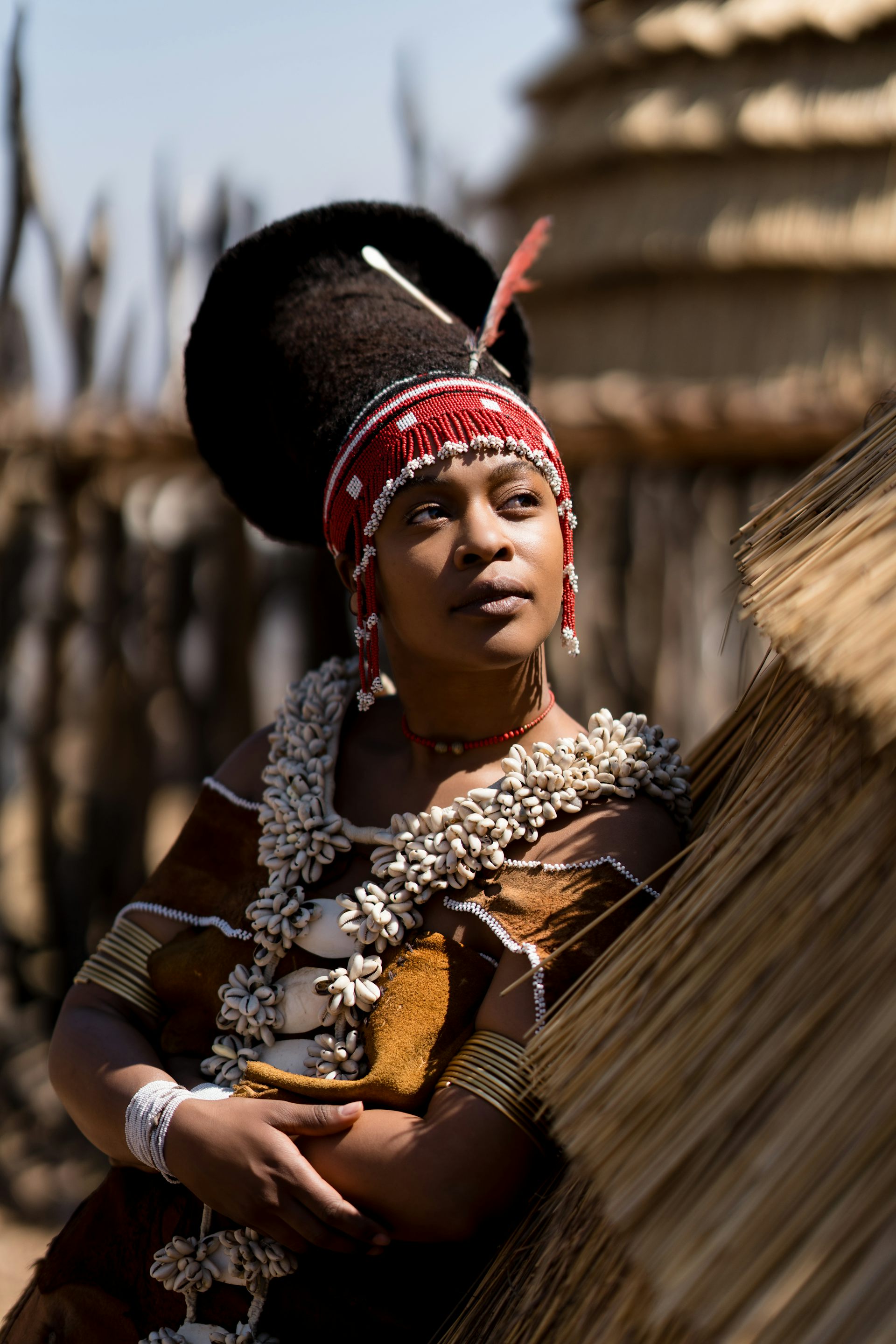
The series also accurately portrays traditional Zulu attire, clarifying misconceptions perpetuated by colonial depictions. For instance, leopard skin garments were reserved for royalty, like **Shaka** himself, distinguishing them from commoners.
A Vital Role for Entertainment
Given television’s popularity, especially among young people in urban areas, it can play a crucial role in preserving culture for future generations. A recent report by Nielsen found that South African adults spend an average of 4 hours and 36 minutes watching television each day, demonstrating its pervasive influence. Series like Shaka iLembe
can help safeguard isiZulu in an era of linguistic shifts and the marginalization of indigenous African languages.
https://www.youtube.com/watch?v=EIyCF8vHyh4" loading="lazy
Researchers recommend increased use of indigenous languages in entertainment, recognizing their potential as sources of cultural preservation and pride.
