Filipino Workers Fall Victim to Illegal Job Recruitment Scams, Officials Warn
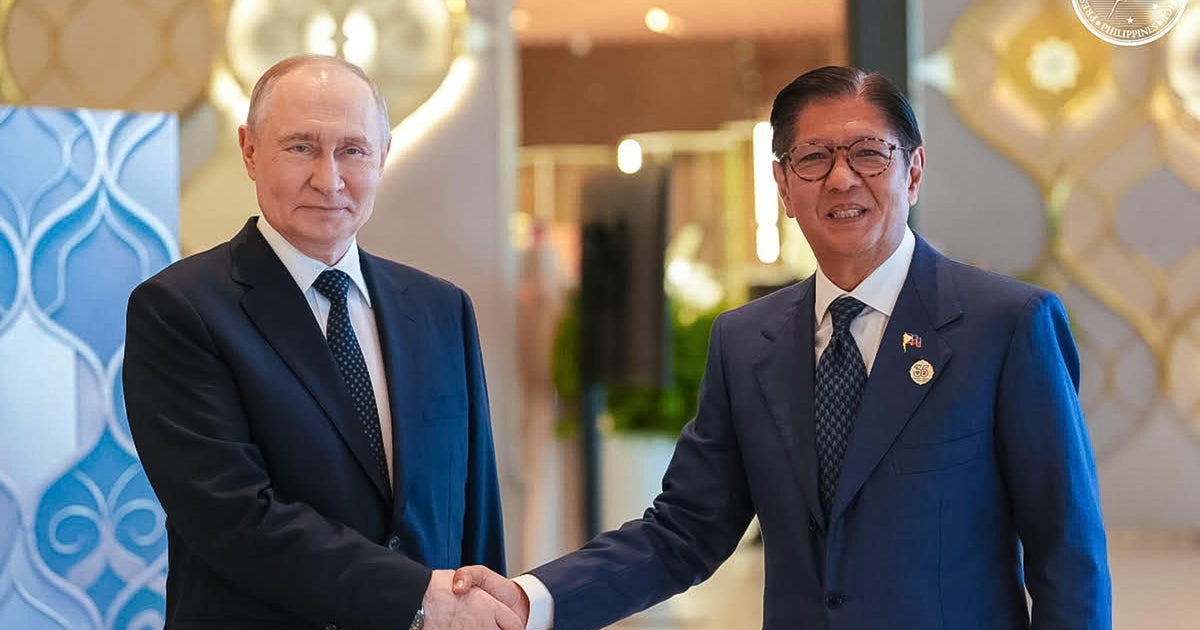
Twenty-four Filipinos held in Russia since 2024 were freed June 20, 2026, after President Ferdinand Marcos Jr. secured their release in a direct call with President Vladimir Putin. Philippine officials say the detainees—mostly seafarers and construction workers—were victims of illegal recruitment schemes, a systemic issue that has trapped thousands in forced labor abroad. The move follows a diplomatic push after Manila filed formal protests with Moscow over labor rights violations.
This is the largest repatriation of Filipinos from Russia since 2022, when 15 workers were freed after a similar diplomatic intervention. The 2026 release underscores the persistent risks faced by Filipino migrant workers, who make up one of the world’s largest diasporas—over 10 million abroad, per the Philippine Statistics Authority. With the Philippines’ economy relying on remittances (which accounted for $37 billion in 2025, or 10% of GDP), the safety of these workers directly impacts national stability.
Why Were These Workers in Russia—and How Did They End Up There?
The 24 Filipinos included seafarers, factory laborers, and construction workers, all recruited through agencies that officials now allege operated outside Philippine labor laws. The Philippine Overseas Employment Administration (POEA) has previously warned that 1 in 5 Filipino migrant workers face exploitation, often through “job placement fees” that push workers into debt bondage—a practice banned under Republic Act No. 10022.

“These cases are not isolated. The illegal recruitment industry thrives because it exploits the desperation of families who see migration as their only economic lifeline. The POEA has blacklisted 300 agencies since 2023, but the underground network adapts faster than regulations can.”
Russia’s labor market has become a magnet for desperate Filipino workers since 2022, when sanctions and economic strain created demand for cheap labor. Unlike Gulf countries, Russia lacks formal labor protection treaties with Manila, leaving workers vulnerable to wage theft and passport confiscation. The Philippine Department of Foreign Affairs confirmed that 8,000 Filipinos remain in Russia under “precarious employment conditions,” with no legal recourse.
How Did Marcos Jr.’s Intervention Break the Stalemate?
President Marcos Jr. raised the issue during a June 18, 2026, call with Putin, following a formal diplomatic note filed by Manila in May. The release came two days later, suggesting Putin’s decision was tied to broader geopolitical calculations—including Russia’s need for goodwill ahead of the UN General Assembly in September, where Marcos Jr. is expected to push for labor rights resolutions.

This is not the first time labor rights have become a diplomatic tool. In 2023, the Philippines secured the release of 11 workers from Russia after threatening to suspend military cooperation over a naval incident in the South China Sea. Experts say Marcos Jr. is walking a tightrope: balancing economic dependence on remittances with the need to protect workers without alienating authoritarian regimes.
“Marcos Jr. cannot afford to be seen as weak on labor rights, but he also cannot afford to burn bridges with Russia. The solution lies in leveraging multilateral forums—like the ILO—to create binding protections, not just bilateral deals.”
What Happens Next for the Freed Workers—and the Thousands Still Trapped?
The 24 repatriated Filipinos will undergo medical and psychological evaluations at Manila’s Balikbayan Center, a government-run facility for returning migrant workers. But the bigger challenge is preventing future cases. The POEA has launched a digital blacklist of rogue agencies, but enforcement remains patchy in provinces like Cebu and Iloilo—where 60% of migrant workers originate.
For families left behind, the risk persists. A 2025 study by the Migrant Rights International found that 78% of Filipino workers in Russia had their passports withheld, a violation of international labor standards. The Philippine government is now pushing for a new ILO convention on migrant worker protections, but ratification could take years.
The Systemic Problem: Why Illegal Recruitment Still Works
| Issue | Root Cause | Potential Solution (Directory Reference) |
|---|---|---|
| Lack of legal job listings | 70% of Filipino migrants use unlicensed agencies (POEA data). | Families should verify agencies through the POEA’s certified legal advisors, who specialize in migration contracts. |
| Debt bondage from recruitment fees | Workers pay $2,000–$5,000 upfront, then earn below minimum wage. | Nonprofits like Migrante International offer pre-departure financial literacy workshops. |
| No consular protection in Russia | Philippine embassies lack jurisdiction over labor disputes. | Companies can partner with cross-border employment lawyers to draft airtight contracts. |
How This Affects Philippine-Russia Relations—and the Global Labor Market
The release is a diplomatic victory for Marcos Jr., but it also exposes the limits of bilateral pressure. Russia’s labor market remains a black hole for oversight, with no equivalent to the Gulf Cooperation Council’s labor protection frameworks. Meanwhile, other Asian nations—like Indonesia and Vietnam—are seeing similar exploitation in Russia, suggesting a regional crisis.
For the Philippines, the long-term solution lies in economic diversification. Remittances currently fund 30% of household incomes in provinces like Negros Occidental. Without addressing the root causes—poverty, weak education systems, and corrupt recruitment networks—the cycle of exploitation will continue. The World Bank estimates that $450 billion in annual remittances could be at risk if labor rights collapses globally.
Yet, the immediate need is for families to have verified pathways. The POEA’s list of accredited agencies is a start, but enforcement gaps remain. For businesses hiring Filipino workers, partnering with vetted ethical recruitment firms—those with ILO compliance certifications—is no longer optional.
The Bigger Picture: Who Really Wins?
The 24 freed workers are back in Manila, but their stories are a microcosm of a global failure. The Philippines sends more workers abroad than any country except India, yet its labor protection systems are among the weakest. The Russian government, meanwhile, benefits from a cheap, disposable workforce—one that won’t unionize or demand rights.
What’s missing? A third-party mechanism. The International Labour Organization could step in, but its enforcement is voluntary. The only entities with the power to change this are the ones with skin in the game: cross-border labor attorneys, migrant rights NGOs, and—most critically—the families sending their loved ones into harm’s way.
The question now is whether this diplomatic win will translate into systemic change. For now, the answer lies in the hands of those who can build safeguards before the next 24 Filipinos disappear.