Fighting Caste Discrimination: Solidarity and the Legacy of the Durban Conference
Twenty-five years after the 2001 United Nations World Conference Against Racism in Durban, South Africa, global advocates are assessing the long-term impact of bringing systemic caste discrimination and inherited social exclusion onto the international human rights agenda. According to Paul Divakar Namala, Executive Director of The Inclusivity Project, grassroots solidarity and organized resistance remain vital tools for dismantling generations of structural oppression worldwide.
The Historical Watershed of Durban 2001
The third UN Conference Against Racism, Racial Discrimination, Xenophobia and Related Intolerance convened 7,000 delegates representing governments and civil society organizations from 170 countries. Spearheaded by nations in the Global South, the gathering challenged prevailing Western-centric frameworks of human rights. It formally recognized the historical roots of contemporary racism and urged states to repair the lasting socioeconomic consequences of colonialism and slavery.
Despite the high-profile withdrawal of the United States and Israel prior to proceedings, participating nations successfully adopted the Durban Declaration and Programme of Action. These documents established a foundational baseline for global anti-racism efforts. Yet, a quarter-century later, deep-seated prejudices persist across multiple continents, prompting human rights defenders to reevaluate ongoing strategies for justice and equality.
Confronting Inherited Hierarchies and Caste Discrimination
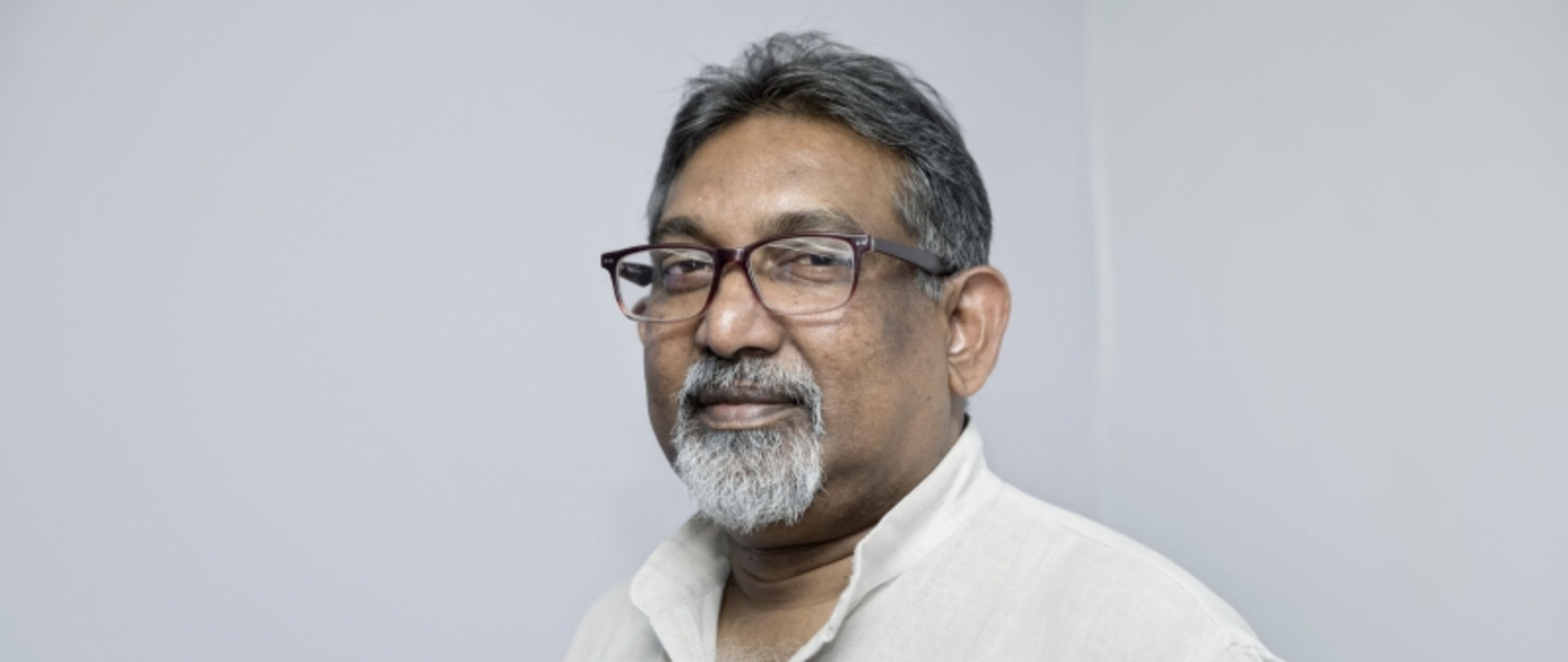
Paul Divakar Namala, who serves as Convenor of the Global Forum of Communities Discriminated on Work and Descent, notes that his life’s work focuses on populations whose social status and occupations are forcibly inherited across generations. As a Dalit—historically categorized as untouchable at the lowest tier of India’s caste system—Namala experienced firsthand how entrenched hierarchies dictate access to basic resources, education, dignified labor, and political representation.
Across South Asia, constitutional protections regularly clash with everyday practices of untouchability in villages, urban centers, and private workplaces. Individuals face severe backlash, threats, and physical violence when asserting fundamental land rights, entering places of worship, or pursuing inter-caste marriages. Similar systemic patterns affect vulnerable populations globally, including Roma communities in Europe, Burakumin in Japan, Haratine populations in the Sahel, Osu communities in Nigeria, and Quilombola communities in Brazil.
To address these complex legal and social challenges effectively, affected groups frequently rely on specialized advocacy networks.
Building Global Solidarity Across Disparate Regions
While the histories of these diverse groups differ significantly, their underlying structural struggles share common threads of stigmatized labor, residential segregation, and intergenerational poverty. During the preparatory meetings in Bellagio and throughout the Durban conference itself, Dalit activists leveraged international visibility to push caste discrimination into global human rights debates, despite fierce resistance from several Asian governments.

Namala emphasizes that affected communities must lead their own liberation movements rather than serving merely as passive sources of testimony. Establishing durable protections requires comprehensive institutional reforms and robust support systems.
The Unfinished Agenda for International Recognition
Looking toward the future, human rights advocates continue pressing for stronger international mechanisms, including comprehensive Committee on the Elimination of Racial Discrimination (CERD) guidance and a dedicated United Nations Declaration on the Rights of Communities Discriminated on Work and Descent. However, international frameworks derive their true value only when they tangibly improve daily living conditions on the ground—whether for a sanitation worker demanding safe labor practices, a Roma child escaping school segregation, or a marginalized family securing land rights.
As the international community reflects on a quarter-century of advocacy since South Africa hosted the historic summit, the overarching lesson remains clear. Realizing universal equality demands relentless, long-term resistance against the structures that assign human beings to lives of servitude, anchored by the unyielding solidarity of those who refuse to accept exclusion as destiny.