FIFA World Cup Final Halftime Show: Performers, Schedule, and How to Watch
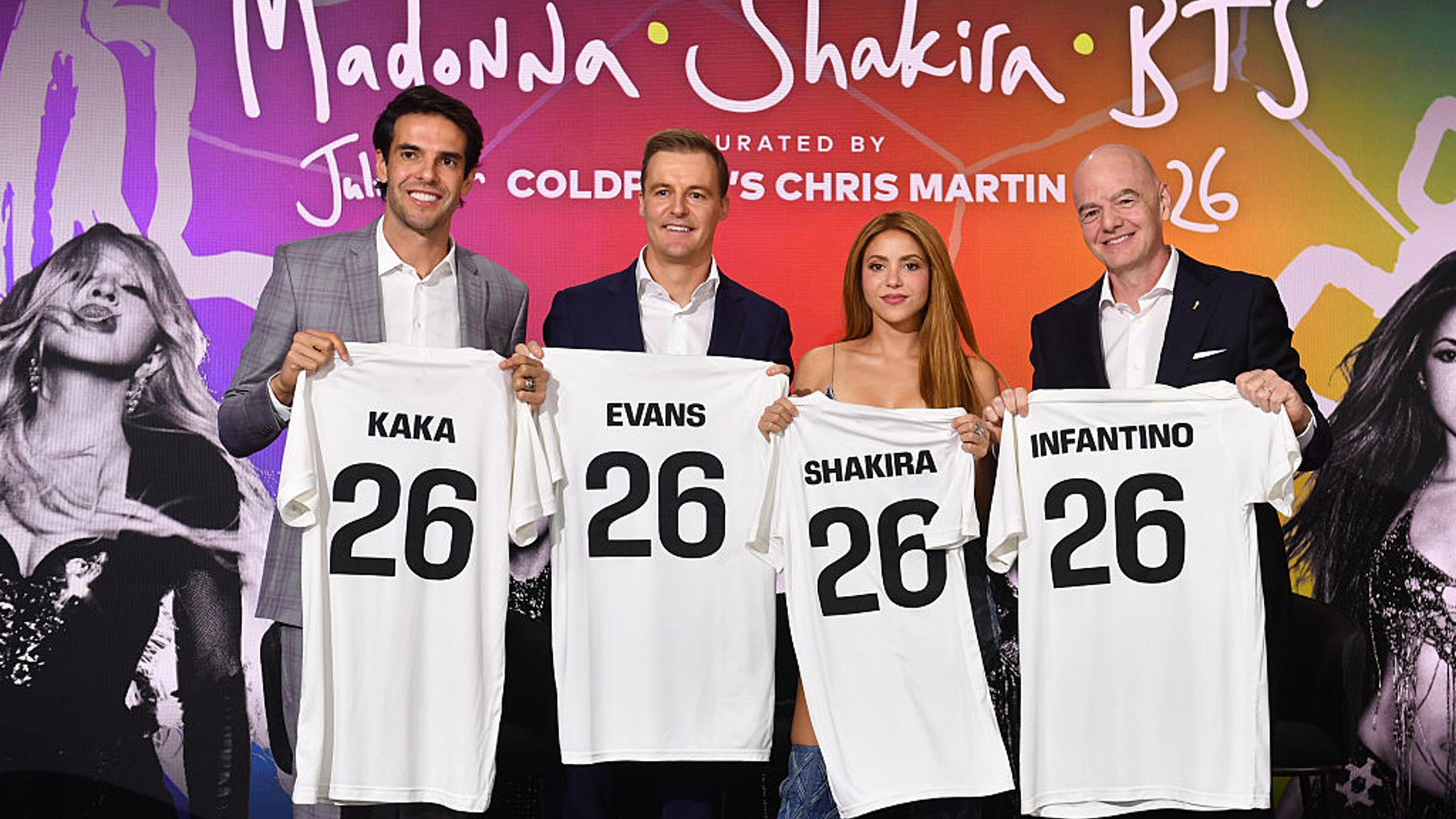
The 2026 FIFA World Cup final on July 19 at New Jersey’s MetLife Stadium will feature the tournament’s first-ever halftime show, headlined by Shakira, Madonna, and BTS. Curated by Chris Martin, the event aims to raise $100 million for the FIFA Global Citizen Education Fund to support global youth development.
The Evolution of the FIFA Match Day Experience
FIFA’s decision to integrate a halftime performance into the World Cup final marks a significant departure from traditional soccer broadcast standards. While the Super Bowl has long utilized the interval for high-production spectacles, international soccer has historically prioritized tactical analysis. The 2026 event, broadcast live to a global audience expected to exceed the 1.5 billion viewers who tuned into the 2022 final in Qatar, signals a pivot toward the “sports-entertainment” model to maximize commercial reach.
Gianni Infantino, president of FIFA, describes the addition as a “historic moment” for the sport. However, the move has created a logistical friction point for international broadcasters. According to reports, the BBC and ITV in the United Kingdom are considering withholding the live broadcast of the halftime show, favoring their established studio punditry instead. This highlights a cultural divide: the American-led push for spectacle versus the European preference for match-centric technical coverage.
Logistical Realities and Municipal Impact
The selection of MetLife Stadium—referred to as “New York New Jersey Stadium” per FIFA’s strict non-endorsement branding policies—places immense pressure on local infrastructure. New York City Mayor Zohran Mamdani’s announcement of a 50,000-person capacity watch party in Central Park underscores the scale of the event. Such large-scale public gatherings necessitate complex coordination between municipal transit authorities and private security firms.

For businesses and event organizers operating within the host region, the influx of millions of visitors and the activation of high-profile venues create a volatile environment. “The sheer density of crowds in the tri-state area during the final weekend will challenge existing municipal response protocols,” says Dr. Aris Thorne, an urban planning consultant specializing in mega-events. “Organizers are not just managing a game; they are managing a multi-modal transit crisis that requires seamless integration between public policy and private logistics.”
Managing these risks requires professional oversight. Entities involved in large-scale event production should consult with [Vetted Security and Risk Management Firms] to ensure crowd control and site safety compliance. Furthermore, organizations navigating the complex web of municipal permits and temporary zoning adjustments often rely on [Specialized Commercial Legal Counsel] to mitigate liability.
The Global Citizen Partnership and Financial Goals
The halftime show is more than a concert; it is the centerpiece of a fundraising campaign. Curated by Coldplay’s Chris Martin, the show supports the FIFA Global Citizen Education Fund. The stated objective is to raise $100 million for grassroots football and education programs across 200 countries.
The financial mechanics of the initiative involve direct corporate participation. Sony Music has pledged to match the first $250,000 in royalties generated by the official World Cup anthem, “Dai Dai,” performed by Shakira and Burna Boy. This model reflects a growing trend where global sporting events are leveraged as vehicles for corporate social responsibility (CSR) initiatives.
For corporations looking to align their philanthropic efforts with the massive visibility of the 2026 World Cup, engaging with established non-profit structures is essential. Ensuring that charitable contributions reach their intended grassroots recipients often requires the assistance of [Certified Global Philanthropy Advisors], who can verify tax-exempt status and project efficacy across international borders.
Broadcasting, Access, and the Future of the Interval
Viewers in the United States can access the match and halftime show via FOX Sports or stream it through NBCUniversal’s Peacock service. Internationally, the experience remains fragmented. The potential for a “split broadcast”—where digital platforms show the performance while traditional linear TV shows analysis—may become the new norm for global sports.

The 15-minute halftime window is a rigid constraint. FIFA has yet to confirm the exact duration of the performance, which must fit within the strict rules governing player rest and second-half kick-off times. This technical limitation forces a high-intensity production schedule that differs drastically from the 30-minute intervals often seen in the NFL.
As the tournament progresses across Canada, Mexico, and the United States, the final match stands as a testament to the commercialization of the global game. Whether this shift enhances or distracts from the athletic competition remains a point of contention among purists and organizers alike. The success of this experiment will likely determine if the halftime show becomes a permanent fixture in future World Cup cycles. For now, the world waits to see if the spectacle at MetLife Stadium can truly bridge the gap between global pop culture and the sport of soccer.