
Fidesz-Mi Hazánk Coalition Could Lead to Hungary’s EU Exit: Péter Magyar Warns
Hungary’s ruling Fidesz party has reportedly offered a coalition to the far-right Mi Hazánk (Our Homeland) movement, a move that, according to opposition leader Péter Magyar, would set Hungary on a path toward leaving the European Union. Magyar detailed the alleged offer in a video released Wednesday, claiming that a Fidesz-Mi Hazánk coalition would represent a definitive break with the EU.
The accusation centers on remarks made Tuesday by Lázár János, a key figure within Fidesz, during a forum in Úrhida. According to reports, Lázár called for unity among “sovereignty-minded politicians,” explicitly including both Fidesz and Mi Hazánk members. “I think that sovereignist politicians must come together first. I consider those in Mi Hazánk and Fidesz to be sovereignist politicians. We need to consider whether sovereignist politicians can think and work together in the future,” Lázár stated.
Magyar contends that this represents a stark admission from Fidesz that they anticipate losing the upcoming elections and are seeking a coalition with Mi Hazánk as a fallback. He warned that Mi Hazánk has long advocated for Hungary’s exit from the EU, and that Fidesz is now following suit, “first hesitantly, then with increasingly determined steps.” He further suggested that Hungary’s relationship with Russia has eroded trust to the point where the question is no longer whether Hungary will leave the EU, but whether the EU will expel Hungary.
“Let everyone be clear: a Fidesz-Mi Hazánk coalition is equal to ‘ruin’,” Magyar declared in the video, referencing the potential loss of agricultural subsidies, EU funding, and open borders, effectively isolating Hungary from Europe. He characterized this as an irreversible and destructive step.
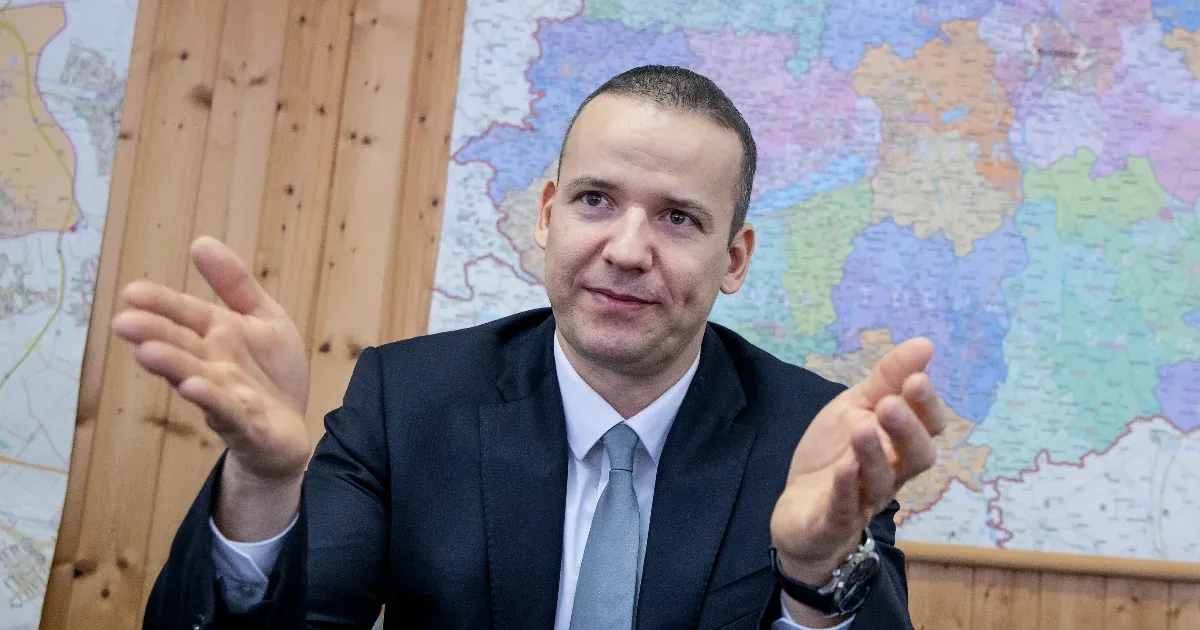
Mi Hazánk’s leader, Toroczkai László, offered a more cautious response to Lázár’s comments. In an interview with Telex on Tuesday, Toroczkai stated that his party would not enter into a coalition with any other party if they remain in parliament, instead focusing on exerting their influence on the next National Assembly. However, he acknowledged that We find areas where cooperation between Fidesz and Mi Hazánk is inevitable, while also noting a difference in opinion regarding EU membership. He even expressed a preference for attacks from Fidesz, believing that their lack of criticism is more damaging to Mi Hazánk’s prospects.
Magyar framed the upcoming elections, scheduled for April 12, as a decisive moment for Hungary’s future, pitting a “nation-unifying” Tisza government focused on peace, security, and EU funds against a Fidesz-Mi Hazánk government that would isolate Hungary and align it with Russia.