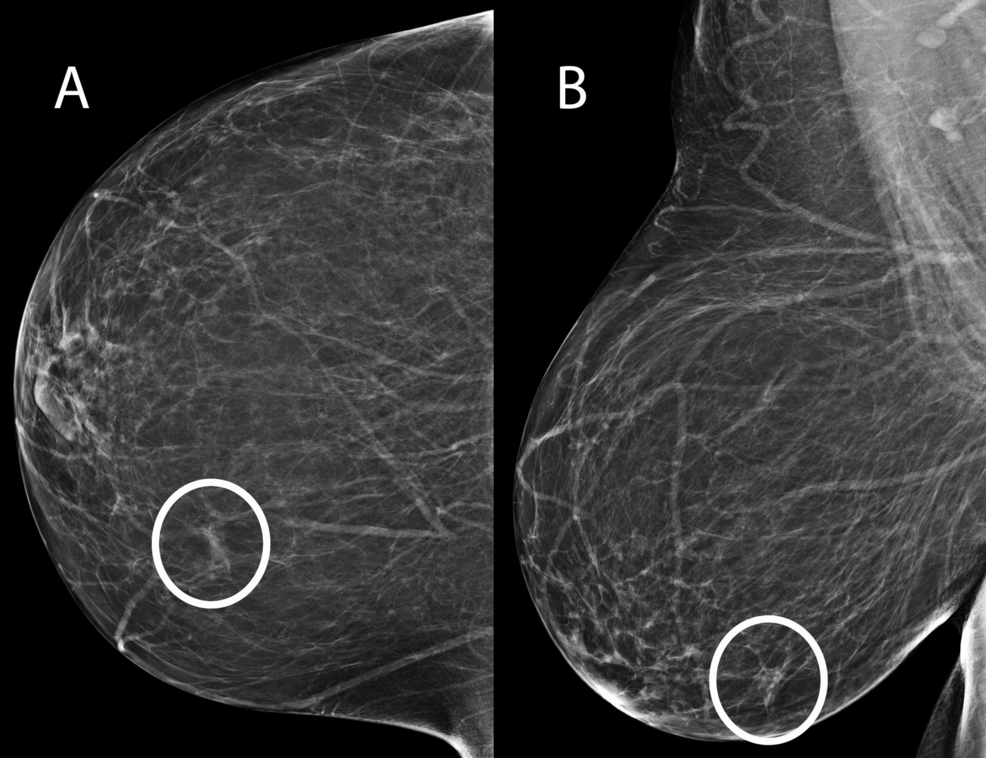
Fibromatosis-Like Metaplastic Triple-Negative Breast Cancer: A Case Report
Rare Histology Drives Aggressive Clinical Profiles
Fibromatosis-like metaplastic triple-negative breast cancer represents a rare, aggressive clinical entity characterized by distinct histological features and a complex molecular profile that evades traditional hormone-based therapies. According to data published in a Cureus case report, diagnosing and managing this specific subtype requires advanced institutional coordination, precise pathological review, and tailored therapeutic regimens.
Triple-negative breast cancer overall accounts for approximately 10-15% of all breast cancer diagnoses, according to the National Breast Cancer Foundation. Because these tumors lack estrogen receptors, progesterone receptors, and HER2 amplification, standard hormonal therapies yield no clinical benefit. Instead, clinicians must rely on alternative pathways, incorporating chemotherapy and comprehensive treatment planning to manage the disease’s rapid growth rate.
Survival Data Reveals Subtype Heterogeneity
Metaplastic breast cancer constitutes less than 1% of all breast neoplasms, bringing unique diagnostic challenges due to its histologic and molecular heterogeneity. Institutional data from the Cleveland Clinic health system, published in a PMC study tracking 136 patients between 2000 and 2017, reveal that about two-thirds of metaplastic breast cancer cases are triple-negative. The study documented a two-year overall survival rate of 79% and a five-year overall survival rate of 69%, highlighting the aggressive nature of the disease and the critical need for specialized prognostic assessment.
Operational Pressures and Administrative Frameworks
Diagnostic Misinterpretation and Liability Risks
Pathological findings in the Cureus case report underscore the diagnostic complexity inherent in fibromatosis-like variants, where mesenchymal-looking elements mimic benign fibrous conditions.