Fibre: The Essential Nutrient for Health, Longevity & Brain Power
The vast majority of adults globally are not consuming enough fibre, a shortfall with significant implications for both physical and cognitive health, according to emerging research.
While dietary guidelines consistently recommend a daily intake of around 30 grams, consumption rates remain drastically low. In the United States, approximately 97% of men and 90% of women fail to meet this target, often consuming less than half the recommended amount. Similar deficiencies are observed in the UK, where over 90% of adults fall short, and across numerous other countries.
Fibre, a carbohydrate resistant to digestive enzymes, plays a crucial role in maintaining gut health. It adds bulk to stools, promotes satiety, and regulates blood sugar levels. Studies have demonstrated a correlation between higher wholegrain consumption and lower body mass index, as well as reduced abdominal fat.
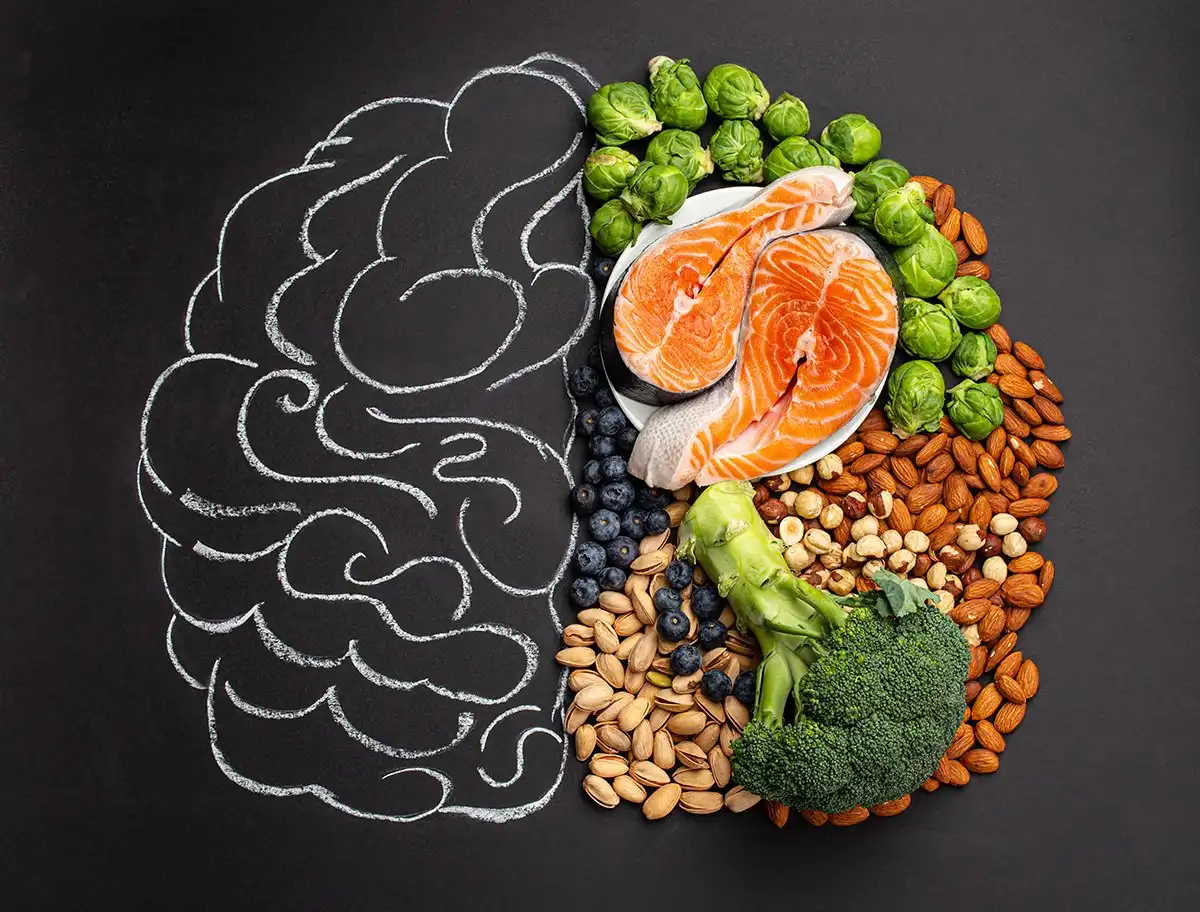
However, the benefits of fibre extend far beyond digestive wellbeing. Researchers are increasingly focused on the gut-brain axis – the bidirectional communication network linking the gastrointestinal tract and the central nervous system – and the role fibre plays in influencing it. Karen Scott, professor of gut microbiology at the Rowett Institute, University of Aberdeen, asserts that increasing fibre intake is one of the most impactful dietary changes for cognitive health.
The mechanism behind this connection lies in the gut microbiome, the trillions of bacteria residing in the digestive system. As these bacteria ferment fibre, they produce beneficial byproducts, including short-chain fatty acids like acetate, propionate, and butyrate. These metabolites provide essential energy for cells and have been linked to reduced mortality risk.
John Cummings, emeritus professor of experimental gastroenterology at the University of Dundee, co-authored a review that found individuals with the highest fibre intake exhibited a 15-30% reduction in mortality compared to those with the lowest. The research indicated that sufficient fibre consumption – around 25-29g per day – lowers the risk of coronary heart disease, stroke, type 2 diabetes, and colon cancer, translating to approximately 13 fewer deaths per 1,000 people.
Achieving adequate fibre intake requires conscious dietary choices. A meal consisting of a jacket potato with baked beans, followed by an apple, can provide roughly 15.7g of fibre. Incorporating nuts and seeds into snacks – a 30g handful containing approximately 3.8g of fibre – can further contribute to daily requirements. A diet rich in wholegrains, fruits, pulses, nuts and seeds is key.
Recent studies, including research highlighted by Nature, demonstrate that fibre supplementation can alter the gastrointestinal microbiome, influence microbial metabolites, and even impact indicators of neurodegeneration in animal models of Alzheimer’s disease. Further research is ongoing to fully understand the extent of these effects in humans.