
Fibermaxxing: Benefits, Risks & Daily Fiber Intake Guide
A growing online trend encouraging dramatically increased fiber intake, dubbed “fibermaxxing,” is sparking debate among nutritionists and health enthusiasts, particularly in Vietnam. The practice, popularized on platforms like TikTok, involves actively boosting fiber consumption through foods like oats, legumes, and increased fruit and vegetable intake, with proponents citing improved digestive health and weight management as key benefits.
While increased fiber intake is generally recognized as beneficial, experts caution against extreme approaches. According to international nutritional guidelines, adults should aim for approximately 25 to 30 grams of fiber daily. Specific recommendations vary by age and sex, with women under 50 needing around 25 grams and those over 50 requiring approximately 21 grams. Men generally need between 30 and 38 grams, depending on their age.
Fiber plays a crucial role in maintaining a healthy digestive system, regulating blood sugar, controlling cholesterol levels, and promoting a feeling of fullness. However, rapidly increasing fiber consumption or exceeding 50 grams per day can lead to digestive discomfort, including bloating, gas, and gastrointestinal distress, especially for individuals not accustomed to a high-fiber diet. Excessive fiber intake over prolonged periods may also interfere with the body’s ability to absorb essential nutrients.
Nutritionists emphasize the importance of a gradual increase in fiber intake, allowing the digestive system to adapt. Adequate hydration is also critical, as fiber requires water to facilitate digestion and prevent constipation. Consuming sufficient water alongside a high-fiber diet is essential to avoid exacerbating digestive issues.
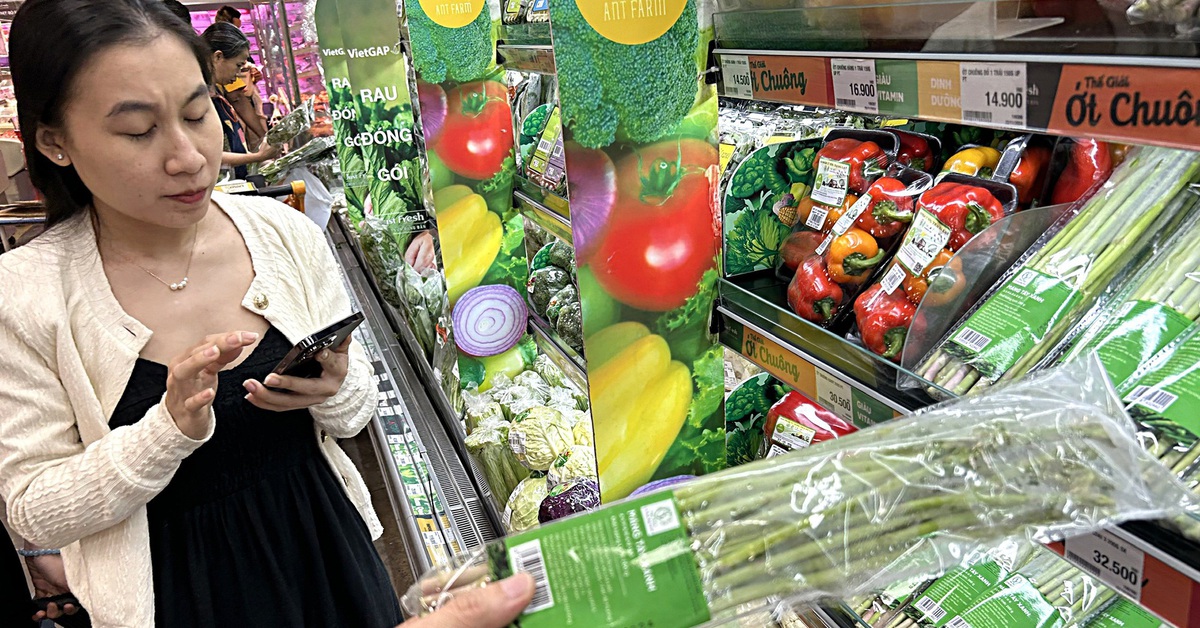
A balanced diet rich in natural fiber sources remains the most effective approach. Experts recommend prioritizing whole grains over refined grains and including at least one fiber-rich food in each meal. Lentils, soybeans, mung beans, and other legumes are excellent sources, as are readily available Vietnamese staples like water spinach, mustard greens, broccoli, sweet potatoes, bananas, apples, and various other vegetables and fruits. Simply increasing the quantity of fruits and vegetables consumed daily can significantly improve fiber intake.
The trend comes as awareness of the gut microbiome’s importance to overall health continues to grow. Research, as highlighted by Men’s Health España, underscores fiber’s role in maintaining a balanced intestinal ecosystem. The Mayo Clinic also emphasizes the benefits of fiber, noting its presence in plant-based foods like fruits, vegetables, whole grains, and legumes. A recent report from Infobae further detailed the connection between fiber intake and improved intestinal transit and microbiota health.
While fiber is associated with a reduced risk of gastrointestinal diseases, such as irritable bowel syndrome and diverticulitis, according to Solosalud.net, the long-term effects of the “fibermaxxing” trend remain unknown. Health officials have not yet issued specific guidance on the practice.