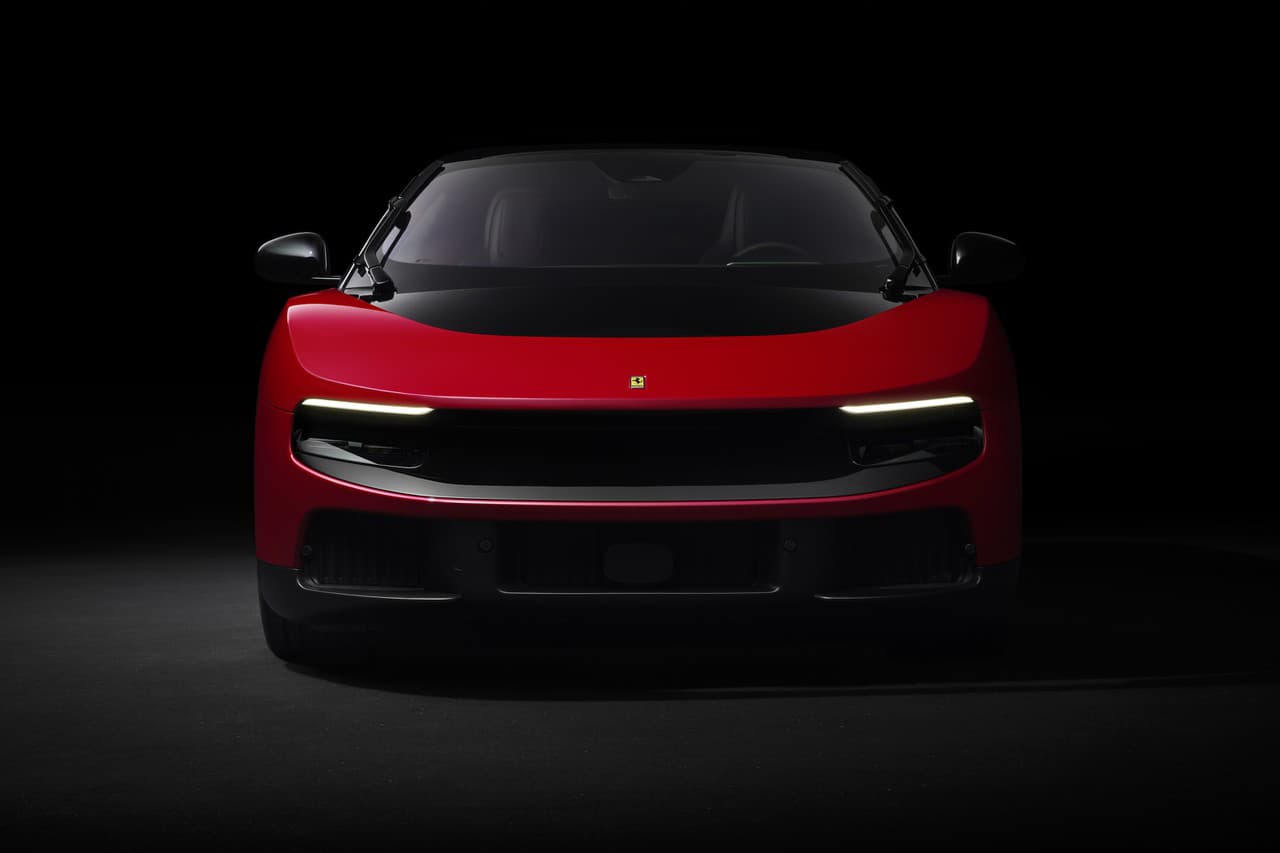
Ferrari Luce: The Controversial Debut of Ferrari’s First Electric Model
Ferrari’s foray into the battery-electric vehicle (BEV) space with the “Luce” model has triggered a violent market correction, stripping billions in market capitalization from the Maranello-based manufacturer. Investors are questioning the brand’s long-term margin profile and heritage-driven equity as the company pivots toward an electrified future, signaling a precarious transition for luxury automotive incumbents.
The market’s reaction is not merely a rejection of a new aesthetic; it is a fundamental reassessment of Ferrari’s investor relations narrative. By pivoting to the Luce, the firm has signaled an abandonment of the high-margin, internal combustion engine (ICE) scarcity model that historically insulated its stock price from cyclical downturns. For institutional shareholders, this is an existential pivot that threatens the premium valuation multiples usually reserved for luxury goods rather than mass-market technology plays.
The fiscal reality is stark. According to the latest quarterly earnings disclosures, Ferrari has maintained an EBITDA margin that is the envy of the sector, largely due to the bespoke nature of its manufacturing. Introducing a BEV at scale requires a massive shift in capital expenditure (CapEx) and R&D allocations. When a firm of this caliber pivots, the immediate result is an efficiency shock. This is exactly where the disconnect between the boardroom and the trading floor occurs.
The transition to electric powertrains for a brand defined by the mechanical soul of an engine is not a technical challenge; it is a brand-dilution risk that requires a complete overhaul of the luxury value proposition. If the market cannot see the path to sustaining a 30%+ EBITDA margin in the post-combustion era, the stock will continue to trade at a discount to its historical mean. — Senior Portfolio Manager, Global Automotive Equities
This volatility exposes a deeper, structural vulnerability common among legacy manufacturers attempting to scale disruptive technology. When brand identity is tied to physical performance, the supply chain becomes an instrument of that identity. Ferrari’s current pivot demands a total reassessment of their supply chain logistics, as the move from specialized engine components to high-density battery arrays introduces new complexities in sourcing and geopolitical risk mitigation.
The Margin Compression Trap
Investors are currently pricing in a “complexity premium”—the cost of managing a dual-track production line where traditional ICE vehicles and the experimental Luce coexist. The following table highlights the fiscal pressure points emerging from this transition:

| Metric | Historical ICE Baseline | Luce Projected Impact | Risk Factor |
|---|---|---|---|
| R&D Intensity | ~10-12% of Revenue | ~18-22% of Revenue | Margin Dilution |
| Supply Chain Complexity | Low (Verticalized) | High (Battery/Software) | Bottleneck Exposure |
| Pricing Power | High (Scarcity) | Uncertain (Competitive) | Brand Erosion |
The uncertainty regarding the Luce’s long-term demand curve is causing a liquidity drain. Market participants are rotating out of Ferrari shares, fearing that the “brutal” design and forced electrification will alienate the core demographic of high-net-worth individuals. This is a classic case of a company attempting to solve a regulatory problem—specifically, the European Green Deal’s phase-out of ICE vehicles—while simultaneously risking its primary product differentiator.
When a firm faces such a public and financial backlash, the pressure on the C-suite to stabilize operations is immense. This is the moment when firms must engage with corporate crisis management firms to bridge the gap between technical reality and market perception. Managing the narrative is as critical as managing the battery chemistry.
Operational Pivot and Legal Exposure
Beyond the market sentiment, the Luce launch introduces significant legal and regulatory compliance hurdles. Integrating high-voltage systems and proprietary software stacks into a legacy luxury vehicle requires rigorous adherence to international safety standards. Failure to meet these, or worse, a high-profile technical failure, would be catastrophic for the stock’s recovery. Companies in this position often find themselves needing to re-evaluate their intellectual property and regulatory legal frameworks to ensure that their new technology stack is both defensible, and compliant.
The “Luce” is more than a car; it is a stress test for the entire luxury sector. The market is waiting to see if Ferrari can maintain its status as an elite asset class or if it will be dragged down into the commodity-like valuation of the general EV market. The current price action suggests that the market is not yet convinced by the narrative of “electrified heritage.”

Volatility in the automotive sector remains a constant for the remainder of the 2026 fiscal year. As institutional investors continue to recalibrate their exposure to legacy brands, the demand for specialized guidance will only grow. For firms navigating these turbulent waters, the path forward requires not just technical prowess, but the support of a vetted ecosystem of partners. Whether you are managing a portfolio through this volatility or leading a firm through a similar structural pivot, finding the right strategic support is paramount. Explore our financial advisory directory to connect with the experts capable of navigating the complexities of modern market transitions.