Feeling the Chill: How to Cope When Tokyo’s Fast-Paced Life Starts Weighing You Down
Tokyo’s expat community is grappling with a dual crisis: a surge in mental health struggles among foreigners and tightening visa policies that complicate long-term stays. As Japan’s capital—home to 14.25 million residents and a thriving international workforce—faces rising isolation among newcomers, local officials warn of a “silent exodus” if systemic support fails to materialize. The problem isn’t just cultural adjustment; it’s a perfect storm of economic pressure, bureaucratic hurdles, and a healthcare system ill-equipped to handle non-Japanese speakers. For businesses and professionals navigating this landscape, the stakes couldn’t be higher.
Why Tokyo’s “Life Blues” Are More Than Just Culture Shock
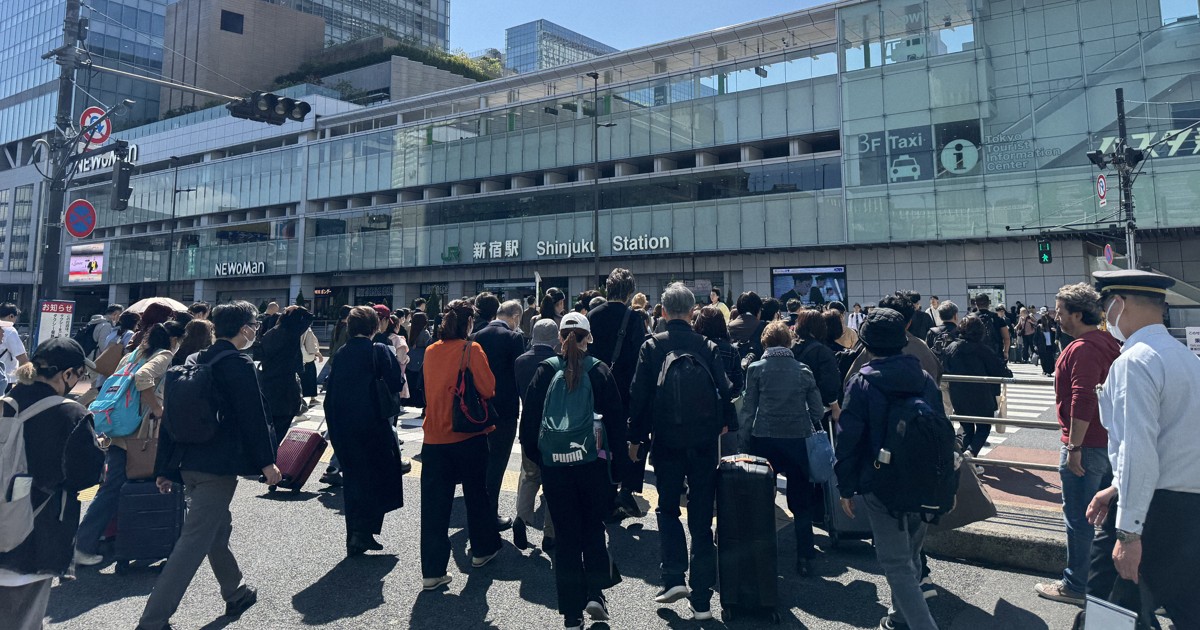
The phrase “Tokyo’s life blues” isn’t just poetic—it’s a growing public health concern. Shinjuku Ward, the city’s most international district, has seen a 30% increase in foreign residents seeking mental health services since 2024, according to Tokyo Metropolitan Government data. The issue isn’t limited to high-profile neighborhoods; even in suburban areas like Setagaya, where rents are lower, expats report feeling “invisible” in a city designed for monolingual Japanese speakers.
“We’re seeing a direct correlation between visa uncertainty and mental health decline. A foreigner who can’t secure stable residency starts questioning their entire future in Japan. That’s a recipe for anxiety disorders, not just temporary homesickness.”
—Dr. Naomi Tanaka, Director of Tokyo Mental Health Services
The Visa Tightening Effect: How Bureaucracy Breeds Isolation
Japan’s visa policies have long been a double-edged sword: strict enough to control immigration, but flexible enough to attract global talent. Lately, the blade is cutting deeper. The Immigration Services Agency tightened work visa requirements in early 2026, requiring proof of “long-term employment stability” for extensions—a hurdle many freelancers and mid-career professionals can’t clear. The result? A spike in visa rejections for foreigners who’ve lived in Tokyo for years.

- Freelancers and digital nomads now face de facto bans unless they secure a sponsor, a near-impossible task for those without Japanese corporate ties.
- Students on working holiday visas report visa offices increasingly denying extensions, forcing them to leave Japan or overstay illegally.
- Spouses of Japanese nationals—once a relatively straightforward path to residency—are now subjected to stricter financial checks, creating a new class of “visa orphans.”
Where the System Fails: Mental Health and Legal Gaps
Tokyo’s mental health infrastructure is fragmented. While clinics like Tokyo Mental Health offer English-language therapy, wait times exceed 8 weeks, and insurance coverage for foreigners remains patchy. Meanwhile, visa denials often trigger a cascade of problems: lost housing deposits, frozen bank accounts, and the inability to renew professional licenses.
“The mental health crisis among expats isn’t just about loneliness. It’s about the systemic abandonment of people who contribute to Tokyo’s economy but can’t navigate its bureaucracy. We’ve seen cases where individuals attempted self-harm after visa rejections—issues that could have been prevented with early intervention.”
—Yuriko Koike, Governor of Tokyo Metropolis
Who’s Stepping Up? The Directory of Solutions
The problems are clear. The solutions? They exist—but they’re scattered. Here’s how Tokyo’s expat community is fighting back:

- Visa and Immigration Law Firms: Specialized firms are emerging to help foreigners appeal visa denials. For example, [Immigration Attorneys] now offer “visa stability audits” to ensure clients meet all criteria before applying for extensions.
- Multilingual Mental Health Networks: Organizations like [Expat-Focused Therapists] are expanding sliding-scale payment options and telehealth services to reduce barriers. Some even partner with corporate HR departments to offer preemptive counseling for foreign hires.
- Community-Led Visa Support Groups: Grassroots initiatives in neighborhoods like Daikanyama and Nakameguro provide peer mentorship for visa applicants, sharing insider tips on documentation and interview strategies.
The Long-Term Risk: A Brain Drain in the Making
Tokyo’s economy thrives on global talent—yet the city’s response to this crisis has been slow. Without intervention, the consequences will ripple outward:
| Impact Area | Current Problem | Potential Solution |
|---|---|---|
| Workforce Retention | 30% of foreign professionals report “visa anxiety” as a top stressor, per a 2025 survey by Japan External Trade Organization (JETRO). | Corporate-sponsored visa pathways for high-skilled workers. |
| Mental Health Access | Only 12% of expats use mental health services due to cost and language barriers. | Mandated employer health benefits covering multilingual therapy. |
| Legal Recourse | Visa denial appeals lack transparency; rejection rates rose 18% in Q1 2026. | Independent visa appeal clinics with track records for successful cases. |
The writing is on the wall: Tokyo’s reputation as a welcoming global hub is at risk. For businesses, this isn’t just a PR issue—it’s a talent retention crisis. For individuals, it’s a question of whether their future in Japan is secure. The good news? The tools to fix this already exist. The challenge is scaling them before the exodus begins.
The time to act is now. Whether you’re an expat feeling the strain or a business dependent on global talent, the resources to navigate this landscape are within reach. Start with [visa specialists], then connect with [mental health professionals] who understand the unique pressures of life in Tokyo. Because in a city built on resilience, the last thing anyone should have to endure is isolation.