
Federal student loan caps could make doctor shortages worse
The 2026 implementation of the $50,000 federal student loan cap creates a critical liquidity crisis for medical education, directly threatening the pipeline of primary care physicians. As tuition outpaces borrowing limits, healthcare systems face escalating recruitment costs and potential human capital shortages, forcing a strategic pivot toward private financing and aggressive B2B talent acquisition partnerships.
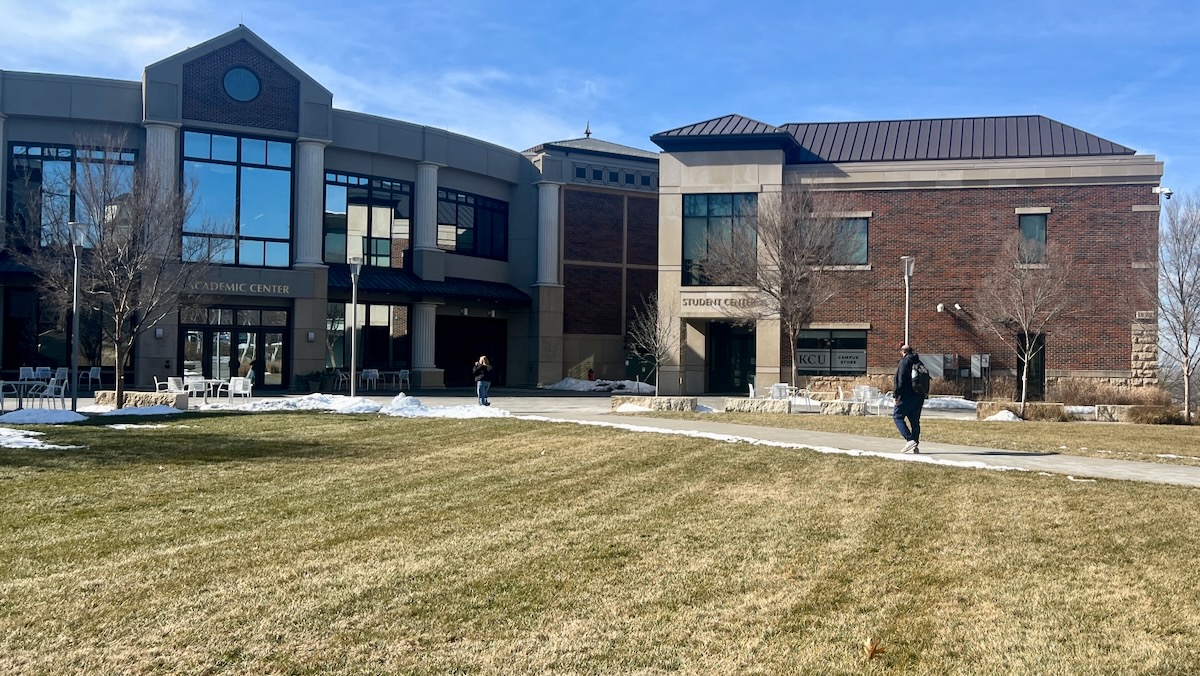
The fiscal disconnect is stark. In the 2026-27 academic year, Kansas City University lists tuition at $63,000. The federal government, under the provisions of the One Big Beautiful Bill Act signed in 2025, caps annual borrowing for professional degrees at $50,000. This leaves a structural deficit of $13,000 before a student buys a single textbook or pays rent. For the healthcare industry, this isn’t just an education policy debate. it is a supply chain disruption.
Medical schools are effectively facing a demand shock. When the cost of entry exceeds the available subsidized capital, the pool of eligible candidates shrinks. This contraction hits diversity hardest. Students from lower-income backgrounds, who lack the parental equity to co-sign private loans, are being priced out of the profession. The result is a homogenization of the physician workforce that contradicts the demographic needs of the patient population.
The Private Lender Trap and Credit Risk
With Graduate PLUS loans eliminated, the gap is being filled by private lenders. However, the underwriting standards for these instruments are rigorous. Whereas students with pristine credit scores can secure rates between 5% and 6%, those without established credit history face interest rates as high as 16%. This creates a bifurcated market where financial privilege dictates career trajectory.

The reliance on high-yield private debt alters the career calculus for new graduates. A physician graduating with $300,000 in debt at 12% interest cannot afford the lower reimbursement rates associated with primary care or rural medicine. They are forced into high-paying subspecialties to service their debt load. This accelerates the existing trend where internal medicine residents flee general practice for cardiology or gastroenterology, leaving rural communities underserved.
“We are witnessing a human capital depreciation event. If you curtail the loans, you curtail the number of doctors willing to work in low-margin environments. The market will correct, but the correction will be a shortage of care in rural America.”
Dr. William Phillips, Clinical Professor Emeritus, University of Washington School of Medicine
Healthcare operators are already pricing this risk into their long-term forecasts. The cost of recruiting a single primary care physician has surged, with signing bonuses and loan repayment assistance programs becoming standard line items in hospital operating budgets. To mitigate this, major health systems are increasingly turning to specialized executive search firms that focus exclusively on healthcare talent. These firms do not just fill vacancies; they structure compensation packages that account for the new debt realities of the candidate pool.
Three Ways the Loan Cap Reshapes the Industry
- Consolidation of Medical Education: Smaller, private medical schools without massive endowments may struggle to attract students who cannot secure financing. We expect to observe increased M&A activity in the education sector, where larger university systems acquire smaller programs to offer institutional scholarships that bridge the federal gap.
- Rise of Income Share Agreements (ISAs): As federal aid recedes, schools and private equity firms are exploring ISAs. In this model, investors fund a student’s education in exchange for a percentage of future income. This shifts the risk from the student to the investor but requires complex legal frameworks often managed by specialized education law firms.
- Geographic Workforce Shifts: The shortage will not be uniform. Urban centers with high-paying private practices will remain staffed. Rural areas, dependent on federal loan forgiveness programs that may not cover private debt, will see a rapid exodus of providers. This creates a arbitrage opportunity for telehealth providers and operational consulting firms specializing in rural hospital turnaround strategies.
The Macro View: Margins and Manpower
The broader economic implication is a reduction in the elasticity of the healthcare labor supply. In a normal market, high demand for doctors would drive up wages, attracting more supply. However, the loan cap acts as a hard ceiling on supply, regardless of wage incentives. This leads to wage inflation for existing doctors but no increase in headcount.
According to data from the Association of American Medical Colleges (AAMC), the projected physician shortage of 141,000 by 2038 could accelerate by five years under these new constraints. For hospital CFOs, this means labor costs—the largest expense line item—will continue to rise without a corresponding increase in patient volume capacity. The operating margin compression is inevitable.
Financial institutions are watching this closely. The student loan asset class is shifting. With the federal government stepping back, private balance sheets are absorbing the risk. Investors are looking at the creditworthiness of future physicians as a distinct asset class. However, the correlation between high debt loads and default risk in the early career stage remains a concern for lenders.
the 2026 loan caps represent a transfer of risk from the public sector to the private individual and the healthcare employer. The system is betting that market forces will solve the shortage. History suggests otherwise. Without intervention, the cost of this policy will be measured not just in dollars, but in the accessibility of care for millions of Americans.
For healthcare administrators and investors navigating this volatility, the priority is resilience. Whether through restructuring compensation, partnering with alternative financing entities, or leveraging financial advisory services to optimize institutional balance sheets, the organizations that adapt to this new capital constraint will define the next decade of American medicine.