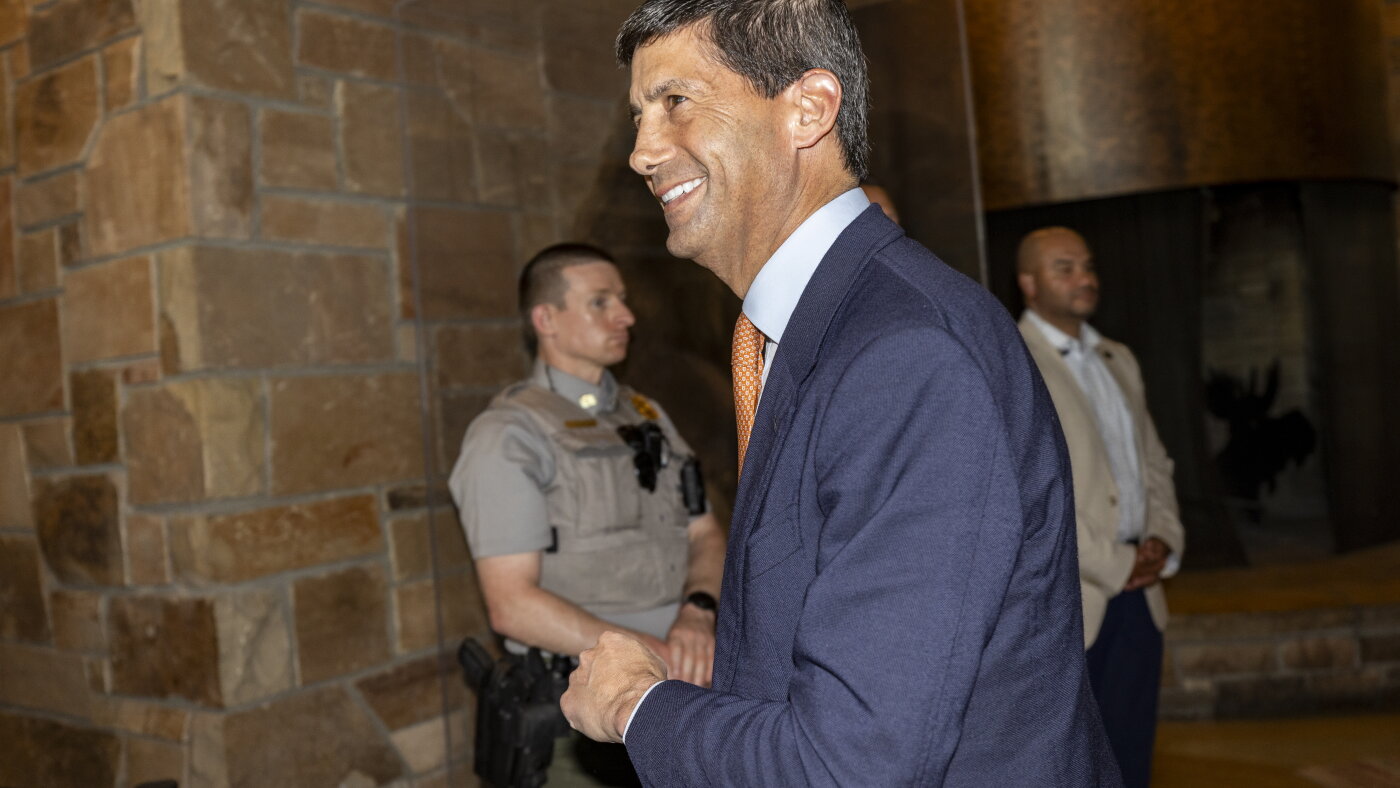
Fed Chair Kevin Warsh Signals Potential Rate Hikes in Jackson Hole Inflation Warning
Federal Reserve Chairman Kevin Warsh delivered a sharply hawkish warning during his speech in Jackson Hole, Wyoming, stating that stubborn inflation remains too high and must be the central bank’s primary focus. Warsh’s remarks rebuffed critics of his July press conference and signaled that policymakers could soon turn to interest rate hikes if price pressures fail to ease toward the 2% target.
Jackson Hole Address Shifts Tone on Financial Conditions
Warsh used the closely watched symposium to address lingering market uncertainty following his muddled July press conference, which had prompted bond traders to sell off long-term debt. Warsh came closer than he ever had to indicating he stands on the precipice of raising borrowing costs if incoming economic data fails to show meaningful improvement.
In a notable departure from his July assessment—when he described financial conditions as uneven—Warsh stated at Jackson Hole that he would be hard-pressed to describe broad financial conditions as restrictive. That framing heightened expectations that a tightening cycle may be approaching ahead of the Federal Open Market Committee meeting scheduled for mid-September.
For commercial enterprises, corporate borrowers, and financial planners trying to model future debt service costs, tracking these shifting monetary signals is essential.
Parsing the Underlying Inflation Metrics
During his address, Warsh recommitted to the Federal Reserve’s 2% personal consumption expenditures (PCE) goal, calling it a firm, fixed target. Government data released during the week placed July PCE inflation at 3.7%, while the consumer price index ran at 3.4%. Warsh broke down the underlying components of the PCE index to justify his concern, noting that 54% of its components showed annualized inflation above 3% over the past 12 months, while 49% remained above 3% over the past six months.

“None of these measures are perfect, but they all tell a similar story: Inflation is running above our 2 percent target,” Warsh said. While acknowledging that broad inflation figures have fallen significantly from their 2022 peaks, Warsh stressed that progress over the past two years has been modest and that underlying trends have not meaningfully improved.
Businesses navigating fluctuating input costs, supply chain adjustments, and pricing strategies must maintain strict accounting compliance and accurate forecasting models.
Weighing Economic Strength Against Forward Guidance
Despite his inflation warnings, Warsh painted a robust picture of the broader United States economy. He highlighted rapidly rising capital expenditures—estimated to have grown by 9% over the past four quarters, with more than half of that growth driven by the artificial intelligence build-out. Consumer spending adjusted for inflation increased by more than 2% over the past four quarters despite oil price surges and tariff shocks, and S&P 500 profit margins remain elevated relative to history.

The labor market also remains quite stable, according to Warsh, who characterized low turnover as a natural result of pandemic-era rematching between employers and employees. Yet, true to his long-held skepticism about overcommunicating, Warsh refused to provide explicit forward guidance on the exact path of interest rates.
“You can call it an outline . . . you can call it a trail map . . . just don’t call it forward guidance,” Warsh quipped early in his speech. Later, he added that transparency in communications about future policy decisions is not a virtue unto itself, reinforcing his policy of deliberate ambiguity.
As corporate leaders evaluate how higher borrowing costs and volatile macroeconomic indicators will impact capital investments and workforce planning, securing expert guidance becomes paramount.
As financial markets digest Warsh’s sharpened stance, the central bank’s next moves will depend entirely on incoming data ahead of the autumn meetings. The burden now shifts to businesses and investors to prepare their balance sheets for a potentially more restrictive interest rate environment.
Related reading
- House Fire in Écully Near Lyon Mobilizes Firefighters
- US Panel and Critics Oppose RSS Chief Mohan Bhagwat’s New York Event Amid Backlash Over Hindu Supremacy Ties
- Artemis IV: Potential Lunar Discoveries (newsy-today.com)
- Wall Street Muted as Fed Chair Warsh Signals Continued Inflation Fight and AI Rally Cools (archyde.com)