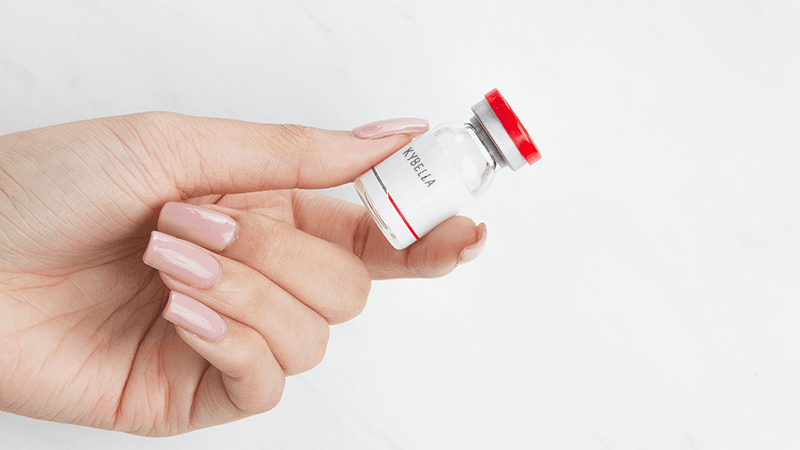
FDA Warns of New Kybella Risks Including Nodules, Masses, and Facial Weakness
The U.S. Food and Drug Administration issued updated safety warnings on September 15, 2026, targeting the cosmetic injectable Kybella following a review of serious adverse events tied to off-label use and persistent tissue reactions. According to Medscape Medical News, the regulatory action highlights rising clinical complications—including facial nerve injuries, visual disturbances, and unresolved injection-site masses—prompting health authorities to reinforce strict anatomical boundaries for deoxycholic acid treatments.
- Regulatory Action: The FDA updated labeling on September 15, 2026, to strengthen warnings against administering Kybella outside the approved submental fat region under the chin.
- Documented Complications: Agency reviews identified 129 adverse event cases from off-label anatomical placements—such as periorbital injections causing visual disturbances and nerve injuries—alongside 117 reports of persistent injection-site nodules and masses.
- Mechanism of Action: Deoxycholic acid functions as a cytolytic drug that physically disrupts cell membranes, creating significant structural risks when placed near vulnerable facial nerves, blood vessels, and muscles.
Anatomical Risks and the Scope of Off-Label Administration
Kybella has maintained U.S. regulatory approval since 2015 strictly for improving the appearance of moderate-to-severe fullness associated with submental fat in adults. Per safety data analyzed from the FDA Adverse Event Monitoring System, the agency identified 129 cases where deoxycholic acid was administered outside this approved submental region. These off-label procedures triggered severe clinical outcomes, including muscle or nerve injury, facial paresis, paresthesia, involuntary eye contractions, weakness, numbness, and difficulty walking. In cases involving periorbital use around the eyes, patients experienced documented visual disturbances.
The pharmacological profile of the treatment explains why location matters. When injected into tissue, it destroys cell membranes through chemical lysis. Placing this active compound near critical structures—such as the marginal mandibular nerve, salivary glands, lymph nodes, and major arteries—elevates the probability of permanent tissue damage, vascular injury, ulceration, and necrosis.
Persistent Nodules, Masses, and Diagnostic Tracking
Beyond off-label anatomical sites, the FDA identified 117 cases of unresolved injection-site nodules or masses. These fibrous or inflammatory lesions occurred after deoxycholic acid injections administered in both approved submental areas and unapproved regions. Data show these persistent masses had been present for a mean of 143 days—approximately five months—at the time of reporting following initial or subsequent treatments. Many of these lingering complications required active medical intervention to resolve.
Future Trajectory and Clinical Vigilance
As regulatory bodies monitor post-market surveillance data, the onus rests on practitioners to adhere strictly to authorized prescribing boundaries.

Disclaimer: The information provided in this article is for educational and scientific communication purposes only and does not constitute medical advice. Always consult with a qualified healthcare provider regarding any medical condition, diagnosis, or treatment plan.