
FBI Raid on Washington Post Reporter Sparks First Amendment Concerns
Published: 2026/01/19 12:35:20
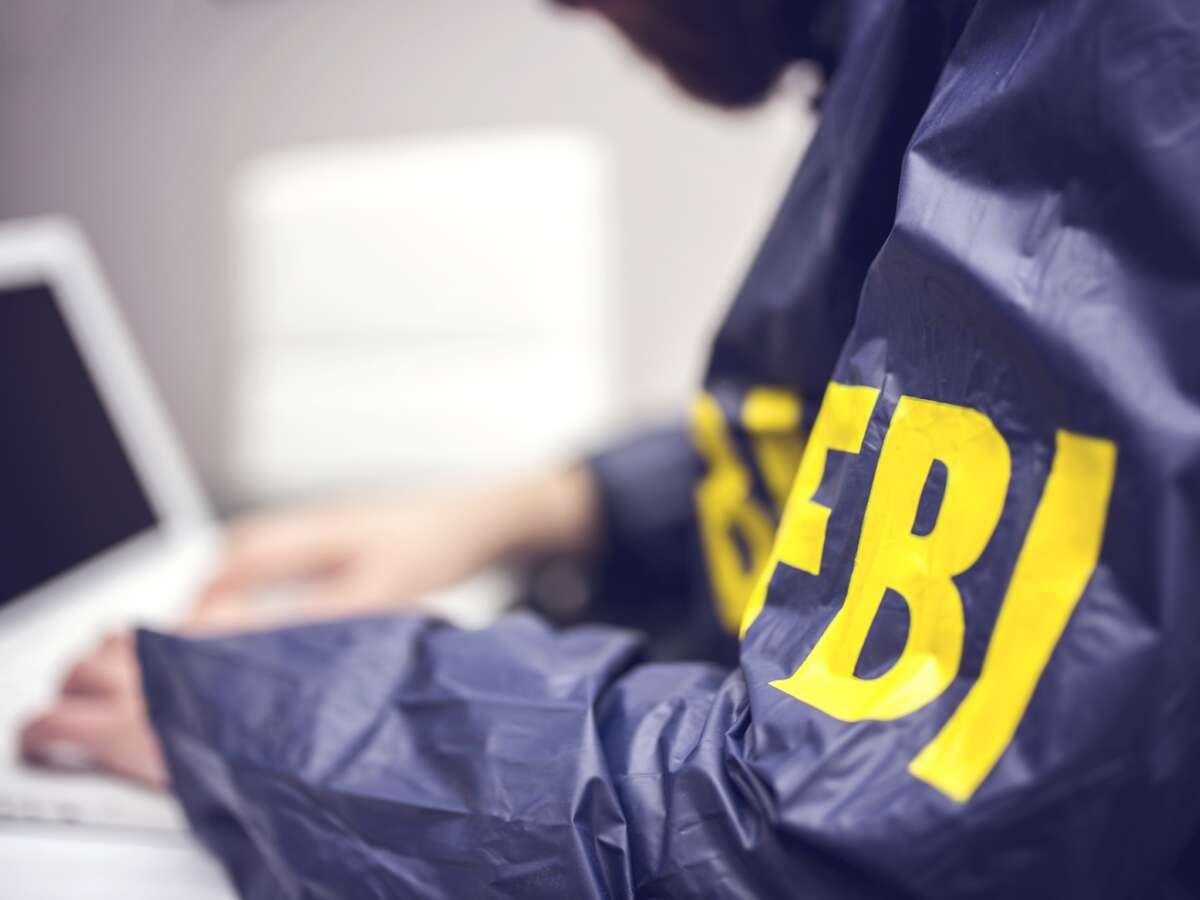
The recent FBI search of the home of Washington Post reporter Hannah Natanson has ignited a firestorm of criticism from press freedom advocates, raising serious questions about the protection of journalistic independence and the potential chilling effect on investigative reporting. The raid, conducted on Wednesday, stemmed from an investigation into Aurelio Perez-lugones, a government contractor charged with unlawfully retaining classified national defense information, but the circumstances surrounding the search have drawn sharp rebuke due to its unprecedented nature.
A rare and Concerning Overreach
The FBI’s actions are especially noteworthy as they represent a important departure from standard investigative procedures in cases involving potential leaks of classified information. Typically, such investigations focus on obtaining records – phone logs, emails, and other communication data – directly from the journalists involved. Direct searches of a reporter’s home are exceedingly rare, even when classified information is suspected to have been shared .
natanson, whose reporting frequently scrutinizes the consequences of governmental actions – including former President Trump’s attempts to dismantle government agencies – was at her home when federal agents arrived and executed a search warrant.The FBI seized her electronic devices, including her phone and laptop, and thoroughly searched her residence . While Natanson herself is not a target of the investigation, the search has sparked intense debate about the potential impact on the reporter’s sources, and on journalism as a whole.
The Perez-Lugones Case and the Lack of Direct Connection
The investigation centers around Aurelio Perez-Lugones, who has been charged with unlawfully possessing classified information. Crucially, court documents do not allege any connection between Perez-Lugones and Natanson, nor do they suggest that he shared the classified documents with anyone, including a member of the press. This lack of a direct link has fueled criticism that the search was intended to intimidate the press and disrupt ongoing reporting.
Reversal of Protections for Journalists
The timing of the raid is particularly sensitive,coming after the Trump governance rescinded a Biden-era policy in April that had explicitly prohibited DOJ investigators from searching reporters’ phones in efforts to identify sources . This policy shift signaled a possibly more aggressive approach towards journalists and their ability to protect confidential sources.
“The rescission of the Biden-era policy removed a crucial layer of protection for reporters,” explains Gabriel Rottman, a First Amendment attorney specializing in press freedom. “It effectively opened the door for investigators to cast a much wider net when seeking to identify sources,potentially leading to more intrusive and disruptive searches.”
First Amendment Implications and the “Chilling Effect”
Legal experts warn that the search of Natanson’s home sets a risky precedent with significant implications for First Amendment rights. “There are important limits on the government’s authority to carry out searches that implicate First Amendment activity,” says Jameel Jaffer of the Knight First Amendment Institute at Columbia University . “This search risks creating a ‘chilling effect,’ where journalists become hesitant to pursue sensitive stories or to communicate with confidential sources for fear of government scrutiny.”
A “chilling effect” refers to a situation where citizens,including journalists,self-censor their behavior out of fear of government reprisal. This can have a detrimental effect on the free flow of information and the ability of the press to hold power accountable.
Outcry from Press Freedom Advocates
The raid has drawn swift and strong condemnation from press freedom organizations.Lauren harper, chair on government secrecy at the Freedom of the Press Foundation, called the search an “extraordinary intimidation tactic” and argued that it was “hard to interpret this as anything other than an attempt to squash the freedom of the press” .
Brad Heath,a crime and justice reporter at Reuters,added that the timing of the search – following the arrest of Perez-Lugones – suggests the FBI isn’t genuinely interested in identifying the source of any potential leaks .
Dean blundell, a journalist writing on Substack, further emphasized the importance of protecting journalists’ devices, stating, “Phones and laptops are not just hardware — they are maps of confidential sources, communication trails, and reporting notes. They contain the identities of people who spoke only because they believed the press could protect them” .
What Does This Mean for the Future of journalism?
the FBI’s search of Hannah Natanson’s home represents a concerning escalation in the government’s approach to investigations involving potential leaks of classified information.The fact that the search occurred despite the absence of any apparent connection between the reporter and the suspect raises serious questions about the intent behind the raid and its impact on press freedom.
This incident serves as a stark reminder of the vital role a free and autonomous press plays in a democratic society and the importance of safeguarding the rights of journalists to report without fear of government interference. The case will likely fuel ongoing debates about the balance between national security and the First amendment, and could have lasting implications for the relationship between the press and the government.
Key Takeaways:
* The FBI’s search of Washington Post reporter Hannah Natanson’s home is a rare and concerning event.
* The raid occurred in the context of an investigation into a government contractor accused of unlawfully retaining classified information, but no connection between the reporter and the suspect has been established.
* The search follows a policy reversal by the Trump administration, allowing for more aggressive tactics in identifying sources.
* Critics fear the search will have a “chilling effect” on investigative journalism and undermine the protection of confidential sources.
* This incident underscores the importance of a free and independent press and the need to safeguard First Amendment rights.
