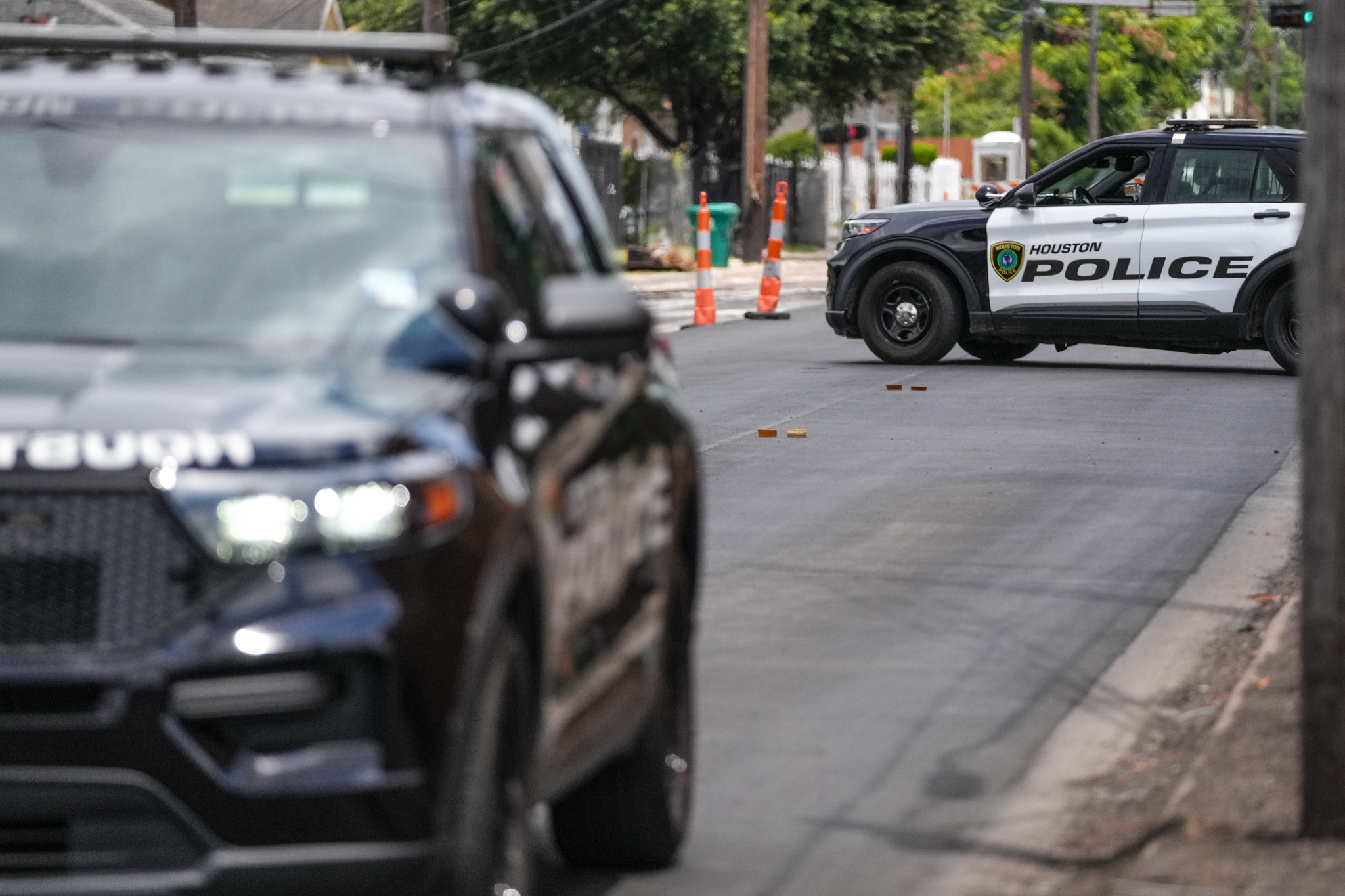
FBI Houston Investigates Potential Attack on Federal Agent
The FBI in Houston is investigating a fatal shooting involving an Immigration and Customs Enforcement (ICE) agent and a Mexican citizen on July 8, 2026. According to FBI spokesperson Connor Hagan, federal authorities are reviewing the incident to determine if the agent’s use of force was justified or if the event constituted an attack against a federal officer.
This incident occurs amidst a volatile climate of heightened enforcement and diplomatic tension between the U.S. and Mexico. When federal agents operate within metropolitan hubs like Houston, the line between a standard operation and a civil rights violation often becomes the center of intense legal scrutiny. For the family of the deceased, the immediate priority shifts from grief to a complex search for accountability within the federal justice system.
Federal Investigation and the Role of the FBI
Connor Hagan, representing the FBI, confirmed that the bureau has taken the lead in investigating the shooting. This is standard procedure for incidents involving federal agents to avoid conflicts of interest that would arise if local police handled the probe. The FBI’s objective is to reconstruct the timeline of the operation and determine the specific catalyst that led the ICE agent to discharge their weapon.
The investigation focuses on whether the agent followed the U.S. Immigration and Customs Enforcement use-of-force policy. These guidelines dictate that lethal force is only permissible when the agent reasonably believes there is an imminent threat of death or serious bodily injury to themselves or others.
One agent’s decision in a split second can trigger a diplomatic crisis. Because the victim was a Mexican citizen, the case transcends local jurisdiction and enters the realm of international relations.
Legal Implications for Mexican Nationals in the U.S.
The death of a foreign national at the hands of federal agents creates a precarious legal vacuum. Families often struggle to navigate the intersection of U.S. federal law and the diplomatic protections offered by the Mexican consulate. The primary hurdle is the “qualified immunity” doctrine, which often shields government employees from liability unless it can be proven they violated a “clearly established” statutory or constitutional right.
Securing a fair investigation requires immediate intervention from specialized legal counsel. Families in these scenarios are frequently consulting [Civil Rights Attorneys] to file wrongful death claims and ensure that the FBI’s findings are not unilaterally accepted without independent oversight.
Historically, shootings involving ICE agents have led to significant protests and demands for policy reform in Texas. The Houston area, with its deep ties to the Mexican community, is particularly sensitive to the optics of federal enforcement operations that result in fatalities.
Diplomatic Friction and Consular Support
The Mexican government typically monitors such incidents through its consular network. Under the Vienna Convention on Consular Relations, the Mexican consulate must be notified of the death of one of its citizens. This allows the government of Mexico to provide legal assistance and ensure the deceased’s remains are repatriated.
The tension is not merely legal; it is political. Every high-profile shooting of a migrant or foreign national by federal agents puts pressure on the U.S. Department of State to manage the fallout with Mexico City. If the investigation is perceived as biased or opaque, it can hinder bilateral cooperation on security and trade.
For those left behind, the logistical burden is immense. Navigating the bureaucracy of death certificates, federal reports, and international transport requires the help of [Consular Services and Translation Experts] to bridge the gap between two different legal systems.
The Pattern of Federal Use-of-Force in Texas
Houston has become a focal point for ICE operations due to its status as a major transit and residential hub for immigrant populations. The frequency of these operations increases the statistical likelihood of violent encounters. Data from the ACLU has previously highlighted a trend of aggressive tactics during “at-home” arrests, which often escalate quickly.
The FBI’s current investigation will likely examine several key factors:
- Whether the agent identified themselves clearly before the shooting.
- Whether the Mexican citizen was armed or posing a perceived threat.
- The presence of body-worn camera footage or third-party surveillance.
- The specific orders given to the operational team prior to the encounter.
If the FBI finds evidence of criminal negligence or intentional misconduct, the case could be referred to the Department of Justice for prosecution. However, the threshold for convicting a federal agent in a line-of-duty shooting remains exceptionally high.
The fallout of this event will likely extend beyond the courtroom. It reinforces a climate of fear within immigrant communities, where the sight of a federal badge is often associated with instability rather than safety. This atmosphere drives a desperate need for [Immigration Legal Aid] to help individuals understand their rights during federal encounters.
As the FBI continues its probe into the Houston shooting, the outcome will serve as a litmus test for federal accountability. The tragedy underscores a persistent gap in the American justice system: the distance between the exercise of federal power and the protection of human rights. Whether this case leads to a conviction or a closed file, the ripple effects will be felt across the border for years to come, leaving a community to wonder if the law applies equally to those who enforce it.