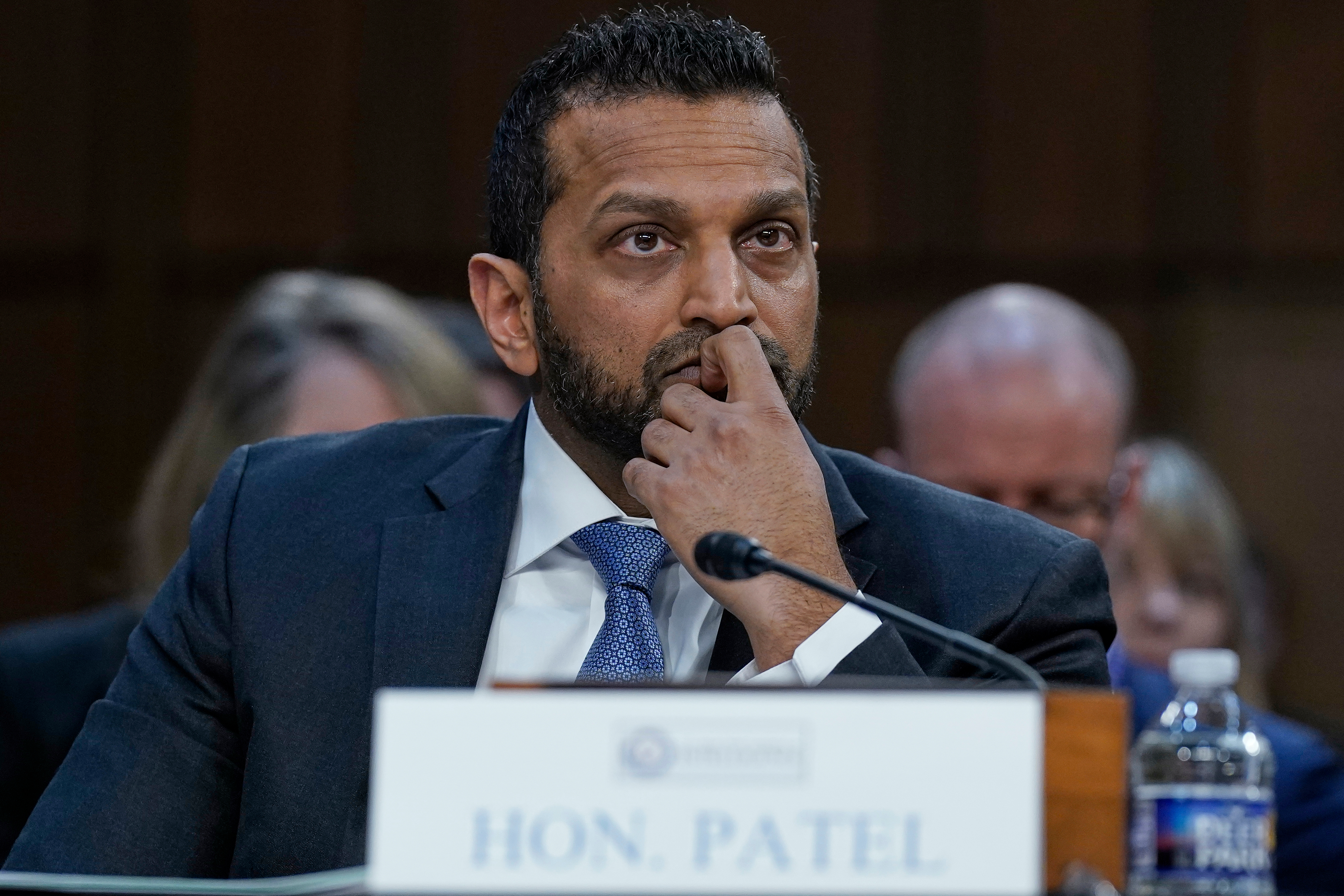
FBI Director’s Email Hacked: Iranian-Linked Group Claims Responsibility
Iranian Hackers Target FBI Director Patel’s Personal Email
The compromise of FBI Director Kash Patel’s personal email account by the Iranian-linked hacking group Handala isn’t merely a data breach; it’s a stark illustration of the escalating sophistication and targeted nature of nation-state cyberattacks. Whereas the leaked content appears largely innocuous – photos of cigars and selfies – the incident underscores a critical vulnerability: the porous security surrounding even high-profile individuals’ personal digital lives. This isn’t about embarrassing photos; it’s about establishing a foothold, mapping networks, and potentially exploiting trust relationships. The implications for national security, even with the FBI’s assertion that no government information was compromised, are significant.
The Tech TL;DR:
- Increased Phishing Risk: Expect a surge in highly targeted phishing campaigns leveraging this breach to compromise other government officials and contractors.
- Multi-Factor Authentication (MFA) Imperative: This incident reinforces the absolute necessity of MFA on *all* accounts, even personal ones, for individuals with access to sensitive information.
- Supply Chain Vulnerability: The attack highlights the risk of supply chain compromise, as attackers often use personal accounts as stepping stones to broader network access.
The Persistent Threat of Iranian APT Groups
Handala’s emergence as a more active player, particularly during the current geopolitical tensions between the US, Israel, and Iran, isn’t accidental. Intelligence assessments consistently identify Iran as a persistent and capable cyber actor. The group’s previous activity, including the alleged attack on Stryker and the data exfiltration from Lockheed Martin employees, demonstrates a willingness to target both critical infrastructure and defense contractors. This isn’t simply about disruption; it’s about intelligence gathering and potentially pre-positioning for future offensive operations. The fact that Handala is believed to be an alias for Iranian cyberintelligence units – similar to APT42, which was previously linked to targeting US presidential campaigns – adds another layer of complexity. APT42’s earlier actions, culminating in charges against three individuals in September 2024, demonstrate a pattern of aggressive probing and exploitation. The sophistication of these groups is increasing, moving beyond simple spear-phishing to exploit zero-day vulnerabilities and leverage advanced persistent threat (APT) techniques.
“We’re seeing a clear trend of nation-state actors increasingly focusing on personal accounts as a means of gaining access to broader networks. The assumption that a personal email is somehow ‘off-limits’ is dangerously naive. The blast radius of a compromised personal account can be enormous, especially for individuals in positions of authority.”
– Dr. Emily Carter, Chief Security Scientist, SecurePath Analytics
Analyzing the Attack Vector: Email Security in 2026
While the specifics of the initial compromise haven’t been publicly disclosed, several likely attack vectors exist. Credential stuffing – leveraging previously compromised username/password combinations – remains a prevalent threat. However, given Patel’s position, a more sophisticated attack is probable. This could involve spear-phishing with highly personalized lures, exploiting vulnerabilities in email clients or webmail interfaces, or even leveraging social engineering to bypass security measures. The confirmation that the stolen emails contained cryptographic signatures linked to Patel’s account suggests a successful authentication bypass, potentially through a compromised device or a vulnerability in the email provider’s security protocols. Modern email security relies heavily on standards like DKIM, SPF, and DMARC to verify sender authenticity, but these protocols aren’t foolproof. The increasing adoption of end-to-end encryption (E2EE) – while beneficial for privacy – similarly presents challenges for law enforcement investigations, as it limits their ability to access and analyze intercepted communications.
To illustrate the importance of verifying email signatures, here’s a basic cURL command to retrieve the headers of an email and check the DKIM signature:
curl -v --mail-with-headers https://example.com/email.eml 2>&1 | grep "DKIM-Signature"Analyzing these headers requires specialized tools and expertise, but it’s a crucial step in identifying potentially malicious emails. The ongoing development of more robust email security protocols, such as those leveraging blockchain technology for enhanced authentication, is critical.
The Stryker and Lockheed Martin Attacks: A Broader Campaign?
The simultaneous targeting of Stryker, a medical device manufacturer, and Lockheed Martin employees suggests a coordinated campaign with multiple objectives. The attack on Stryker, which disrupted surgeries and patient care, highlights the vulnerability of the healthcare sector to cyberattacks. Medical devices, often running outdated software and lacking robust security features, are prime targets for ransomware and data theft. The compromise of Lockheed Martin employees stationed in the Middle East raises concerns about potential espionage and the theft of sensitive defense-related information. This aligns with Iran’s broader strategic goals of undermining US influence in the region and acquiring advanced technologies. The attackers likely exploited vulnerabilities in remote access systems or compromised employee credentials to gain access to the targeted networks.

The increasing reliance on cloud-based services and remote work arrangements has expanded the attack surface, making it more tricky to secure corporate networks. Organizations must adopt a zero-trust security model, which assumes that no user or device is inherently trustworthy, and implement strict access controls and continuous monitoring.
Mitigation and Response: A Proactive Approach
The FBI’s $10 million reward for information about the Handala hackers is a welcome step, but a more proactive approach is needed to prevent future attacks. This includes strengthening email security protocols, implementing robust MFA, conducting regular security audits, and providing comprehensive cybersecurity training to employees. Organizations should also invest in threat intelligence capabilities to stay ahead of emerging threats and proactively identify and mitigate vulnerabilities. The incident also underscores the importance of incident response planning. Organizations must have a well-defined plan in place to respond to cyberattacks, including procedures for containment, eradication, and recovery.
For organizations needing immediate assistance with incident response and vulnerability assessments, specialized incident response teams can provide critical support. SOC 2 compliant cybersecurity auditors are essential for verifying security posture and identifying potential weaknesses. Individuals concerned about their personal email security should consider utilizing a reputable data breach monitoring service to receive alerts about compromised credentials.
The future of cybersecurity will be defined by a constant arms race between attackers and defenders. The development of artificial intelligence (AI) and machine learning (ML) technologies will play a crucial role in both offense and defense. AI-powered threat detection systems can identify and respond to attacks more quickly and effectively, but attackers can also leverage AI to automate their attacks and evade detection. The key to success will be to stay ahead of the curve and continuously adapt to the evolving threat landscape.
Disclaimer: The technical analyses and security protocols detailed in this article are for informational purposes only. Always consult with certified IT and cybersecurity professionals before altering enterprise networks or handling sensitive data.