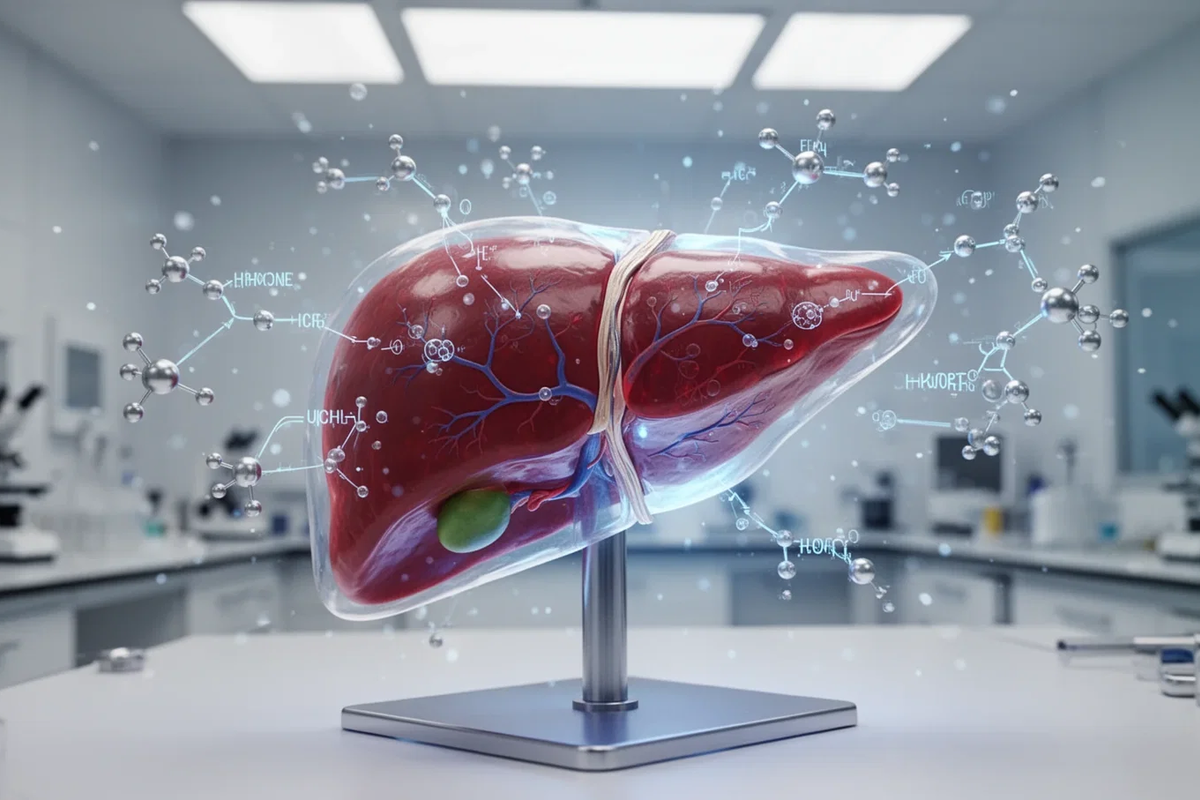
Fatty Liver Disease: Global Rise, Future Risks, and Medical Breakthroughs
A quiet revolution is unfolding in hepatology as emerging therapies target the dual epidemic of obesity and fatty liver disease, conditions now affecting over one billion people worldwide. Recent clinical advances suggest we may be approaching a turning point where pharmacological intervention, combined with precision diagnostics, could halt or even reverse the progression of metabolic dysfunction-associated steatotic liver disease (MASLD), formerly known as NAFLD. This shift comes at a critical juncture, as projections indicate MASLD-related liver cirrhosis and hepatocellular carcinoma could become leading causes of liver transplantation by 2030 if left unchecked.
Key Clinical Takeaways:
- GLP-1 receptor agonists and dual GIP/GLP-1 co-agonists are demonstrating significant reduction in liver fat content and fibrosis in Phase II/III trials for MASLD.
- Epidemiological models now predict nearly two billion individuals could be living with MASLD by 2050, driven by rising obesity rates and sedentary lifestyles.
- Early detection via non-invasive biomarkers and transient elastography is becoming standard in high-risk cohorts, enabling timely intervention before irreversible fibrosis occurs.
The pathogenesis of MASLD lies in a complex interplay of insulin resistance, lipotoxicity, mitochondrial dysfunction, and chronic inflammation, culminating in hepatic steatosis that can progress to steatohepatitis (MASH), fibrosis, and ultimately cirrhosis. Unlike alcoholic liver disease, MASLD develops in individuals with little to no alcohol consumption, making it a silent threat often undetected until advanced stages. The condition is strongly correlated with type 2 diabetes, dyslipidemia, and central adiposity, forming a cluster of metabolic abnormalities that amplify cardiovascular risk.
Recent data from the FALCON Phase II trial, funded by Novo Nordisk and published in The Lancet Gastroenterology & Hepatology (2024), showed that once-weekly semaglutide 2.4 mg led to a mean relative reduction of 31.1% in liver fat fraction as measured by MRI-PDFF after 24 weeks, with 42% of participants achieving resolution of steatohepatitis without worsening fibrosis. Similarly, the SYNERGY-NASH trial, supported by Eli Lilly and reported at EASL 2024, demonstrated that tirzepatide achieved MASH resolution in 58% of patients versus 22% on placebo, alongside significant improvements in fibrosis staging. These findings underscore the potential of incretin-based therapies to address both metabolic and hepatic pathology simultaneously.
“We are seeing a paradigm shift where drugs developed for obesity are now proving transformative for liver health,” stated Dr. Elena Rossi, Professor of Hepatology at Heidelberg University Hospital and lead investigator on the FALCON trial. “For the first time, we have pharmacologic agents that not only reduce weight but directly modify the histological drivers of MASLD — a landmark in a field long bereft of approved therapies.”
Despite these advances, significant gaps remain in access and early diagnosis. Many patients present only after developing decompensated cirrhosis, at which point therapeutic options are limited. This highlights the urgent need for expanded screening in primary care settings, particularly among those with obesity, prediabetes, or elevated liver enzymes. Non-invasive tools such as the FIB-4 index and vibration-controlled transient elastography (FibroScan®) are increasingly recommended by the American Association for the Study of Liver Diseases (AASLD) and European Association for the Study of the Liver (EASL) to risk-stratify patients without requiring biopsy.
“The bottleneck isn’t just therapeutic — it’s diagnostic,” noted Dr. Arjun Patel, epidemiologist at the Johns Hopkins Bloomberg School of Public Health. “We have effective tools to identify at-risk individuals, but implementation lags due to lack of awareness and reimbursement barriers. Closing this gap could prevent hundreds of thousands of advanced liver disease cases over the next decade.”
For patients navigating this evolving landscape, consultation with specialists equipped to interpret metabolic liver panels and administer advanced therapies is essential. Vetted board-certified hepatologists can provide comprehensive risk assessment and guide eligibility for emerging treatments or clinical trials. Similarly, accredited diagnostic imaging centers offering MRI-PDFF and transient elastography play a pivotal role in objective disease monitoring. Those concerned about insurance coverage or prior authorization challenges for novel therapies may benefit from consulting experienced healthcare compliance attorneys who specialize in facilitating access to evidence-based treatments under evolving regulatory frameworks.
As research progresses, the focus is shifting toward combination therapies and personalized medicine approaches, including fibroblast growth factor 21 (FGF21) agonists and thyroid hormone receptor-beta agonists, currently in mid-stage trials. The ultimate goal is not merely symptom management but disease modification — achieving sustained remission of MASLD and reducing long-term morbidity and mortality. With continued investment in both scientific innovation and healthcare infrastructure, the vision of reversing the fatty liver epidemic is no longer speculative, but increasingly within reach.
*Disclaimer: The information provided in this article is for educational and scientific communication purposes only and does not constitute medical advice. Always consult with a qualified healthcare provider regarding any medical condition, diagnosis, or treatment plan.*