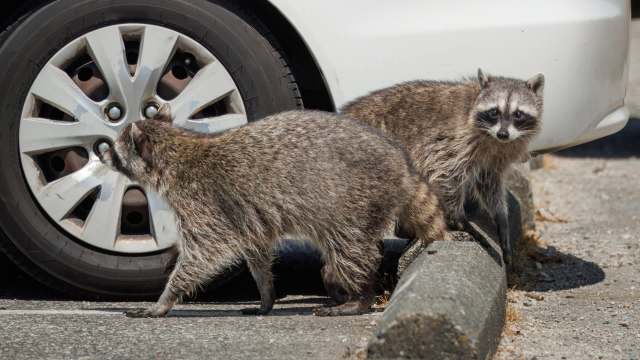
Fast-Spreading Rabies Risk in Quebec Urban Raccoons
Public health officials in Quebec have identified an escalating risk of rabies transmission in urban environments, primarily driven by the increasing presence of raccoons (Procyon lotor) in densely populated areas. As of June 2026, the provincial surveillance network has noted a shift in the zoonotic landscape, requiring heightened vigilance from residents regarding wildlife interactions and potential exposure to the rabies virus.
Key Clinical Takeaways:
- Rabies remains a fatal viral zoonosis if post-exposure prophylaxis (PEP) is not administered immediately following a potential transmission event.
- Urban raccoon populations are increasingly encroaching on human habitats, elevating the statistical probability of direct contact incidents.
- Clinical protocols mandate that any bite or scratch from a wild animal be treated as a medical emergency, necessitating immediate assessment by a qualified physician.
Epidemiological Shifts in Zoonotic Transmission
The rabies virus, a member of the Lyssavirus genus, targets the central nervous system, causing acute encephalitis. According to data provided by the World Health Organization (WHO) on rabies prevention and control, the virus is transmitted through saliva, typically via bites or scratches. While historical rabies control efforts in Canada have focused on terrestrial mammals like foxes and skunks, the current surge in urban raccoon density represents a significant shift in the pathogen’s primary vector movement.

The pathogenesis of rabies is characterized by a long incubation period, which can range from weeks to months, depending on the proximity of the bite site to the brain. Once clinical symptoms manifest, the disease is almost invariably fatal. This makes the diagnostic and preventative measures taken during the “window of opportunity” between exposure and symptom onset the most critical factor in patient survival. For those concerned about potential exposure or the need for preventative vaccination, consulting with a board-certified infectious disease specialist is the standard of care for risk assessment.
Diagnostic Protocols and Post-Exposure Management
In the event of a suspected encounter with a potentially rabid raccoon, the clinical standard is immediate wound cleansing and the administration of rabies immune globulin (RIG) and a series of rabies vaccines. This post-exposure prophylaxis (PEP) is highly effective when initiated promptly.
“The risk of rabies in urban centers is not merely about the presence of animals, but the breakdown of the barrier between wildlife and human activity. Clinicians must maintain a high index of suspicion when evaluating patients presenting with unexplained animal-inflicted trauma,” notes Dr. Elena Rossi, an epidemiologist specializing in zoonotic diseases at the University of Montreal (independent of the study context).
Healthcare providers are urged to document the circumstances of the encounter, including the animal’s behavior—such as unprovoked aggression or neurological deficits—which are hallmarks of the disease. Patients who have been bitten or scratched should not wait for symptoms to appear. The urgency of the situation necessitates a rapid triage process. Those requiring immediate consultation or access to specialized diagnostic facilities can utilize vetted medical triage services to ensure appropriate and timely intervention.
Managing Infrastructure and Public Health Risks
The encroachment of rabies into urban Quebec is a public health challenge that requires a multi-faceted response, including environmental management and public education. The Centers for Disease Control and Prevention (CDC) emphasizes that rabies prevention is a shared responsibility between animal control agencies and the medical community. As the virus persists in local wildlife populations, the primary goal is to prevent spillover into domestic pets and humans.

For organizations and public health entities navigating the complexities of zoonotic surveillance and regulatory compliance, ensuring that staff and stakeholders have access to reliable information is vital. In instances where healthcare facilities must rapidly adjust their protocols to handle an influx of potential exposures, engaging with healthcare compliance consultants can help streamline the implementation of updated clinical guidelines. Maintaining a rigorous, evidence-based approach to patient care is the only method to mitigate the morbidity associated with this viral threat.
Future Outlook on Viral Surveillance
The trajectory of rabies in Quebec will likely be determined by the success of oral vaccination programs for wildlife, which have been utilized extensively in North America to create herd immunity among raccoon populations. However, until such programs demonstrate a significant reduction in viral prevalence, the risk to the public remains. Future research efforts, often funded by provincial health grants and federal research initiatives, will continue to monitor the viral vector’s movement through genomic sequencing and spatial analysis. Physicians and health administrators are encouraged to stay informed through peer-reviewed portals such as the World Health Organization’s rabies resource center to ensure their practice remains aligned with the latest clinical consensus.
Disclaimer: The information provided in this article is for educational and scientific communication purposes only and does not constitute medical advice. Always consult with a qualified healthcare provider regarding any medical condition, diagnosis, or treatment plan.