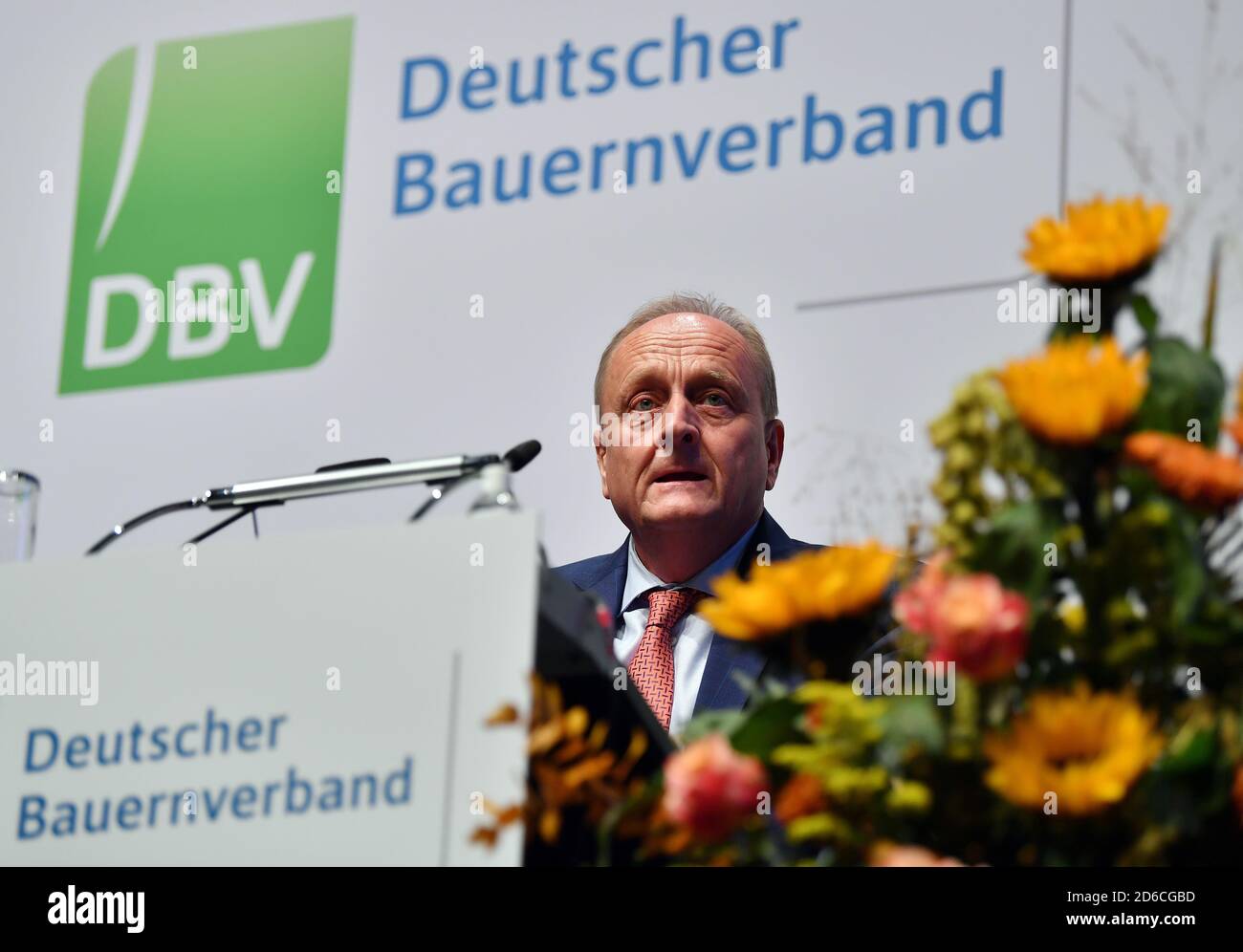
Farmers’ Association Education Committee Meets in Erfurt on Vocational Training
Thuringia’s agricultural sector faces a widening personnel shortfall, even as training contracts increase by five percent. On October 6, 2026, the Education Committee of the Farmers’ Association of Thuringia gathered in Erfurt to address structural labor shortages, declining vocational school capacity, and uncertain funding for practical student orientation programs across the region.
Dirk Reichelt highlighted the severe economic pressures currently squeezing local agricultural enterprises, pointing to mounting liquidity problems that complicate recruitment and retention efforts. Without secure funding for training initiatives and stable pathways into the industry, farm owners struggle to maintain adequate staffing levels for daily operations.
Internships and Projects Secure Future Agricultural Workers
Vocational orientation remains a primary battleground for securing the next generation of agricultural workers. Anke Schröpfer from the Thuringian Ministry of Education, Science and Culture detailed the implementation of student internships for eighth-grade pupils, which run for one to two weeks in operating businesses.
Schools also utilize the Praxiskoordinatoren project managed by the chambers of commerce to match students with viable agricultural placement sites. Alongside standard internships, the Tag in der Praxis initiative places students from 80 participating schools into four different workplaces for one day per week across two semesters.
These hands-on formats give teenagers and farm managers a direct mechanism to test mutual fit before signing formal apprenticeship agreements. Yet, the long-term financial backing for these supervision projects by federal and state authorities remains entirely unclear.
Apprenticeship Growth Amid Vocational School Strain
Steffen Fleischhack from the responsible vocational training office reported a five percent year-over-year rise in newly signed apprenticeship contracts. Despite localized staffing pinches, all intermediate and final examinations occurred on schedule following aggressive advocacy from the agricultural sector and the Thuringian State Office for Agriculture and Rural Areas.
The classroom environment tells a starkly different story. Mirko Skandera, deputy headmaster in Schwerstedt, documented more than 2,000 lost teaching hours across enrolled classes in the current school year alone.
While educators manage to cover all exam-relevant topics, chronic teacher shortages severely degrade the daily learning environment. Long-overdue facility upgrades for the welding workshop and student dormitory linger without resolution, forcing administrators to rely on temporary auxiliary spaces at the Buttelstedt teaching and experimental estate.
Modernized Occupational Profile Triggers Trade School Adjustments
Dr. Britta Ender briefed committee members on the ongoing modernization of the official farmer occupational profile, which triggers sweeping adjustments for trade schools, training farms, and examination boards. Specialized training sessions led by the Landvolkbildung and competent training authorities will launch in the spring of 2027 to prepare instructors for these regulatory shifts.
Educators can source updated, grade-specific lesson modules directly through the newly revamped online platform managed by information.medien.agrar.
The next official meeting of the Education Committee of the Farmers’ Association of Thuringia is scheduled for March 2027.