
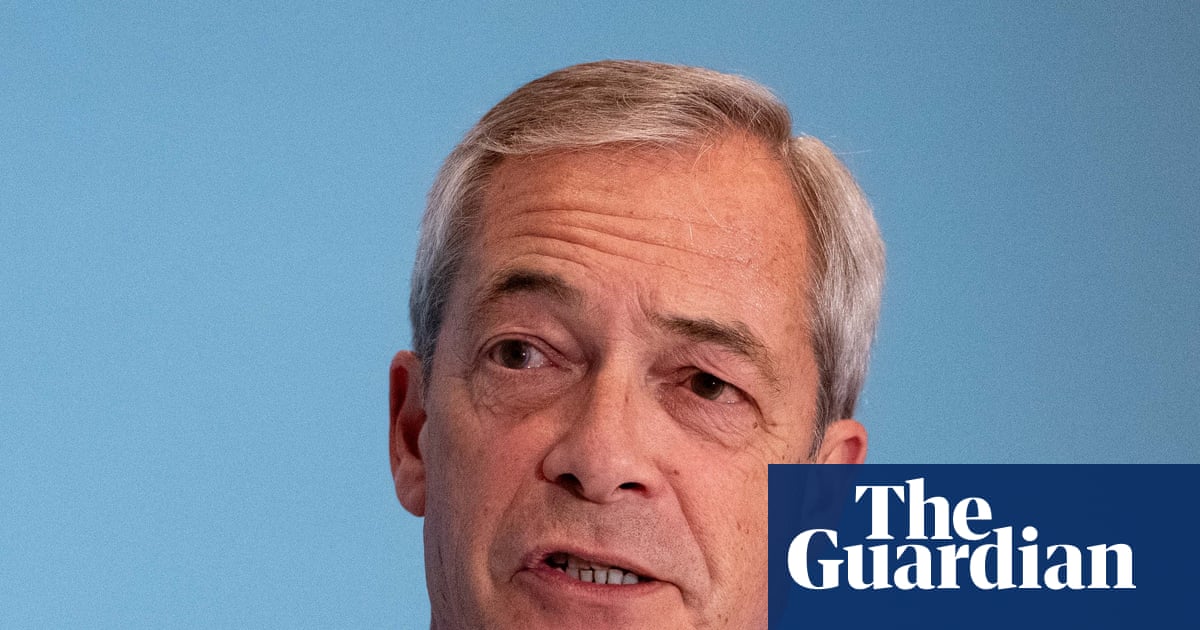
Reform UK Focuses on Replacing, Not Merging With, the Conservatives
Reform UK is prioritizing becoming the dominant party, rather than seeking a merger with the Conservative Party, despite meaningful overlap in their support base. More than 21 current and former Tory MPs have defected to Reform UK, while no MPs from othre parties have made the switch.
Tho, party deputy leader Richard Tice has stated that donors are “confused” if they believe Nigel Farage is pursuing a pact with the Tories, clarifying that the aim is to replace them. One Reform donor indicated they would defer to Farage’s judgment regarding a potential merger, suggesting openness to the idea.
Currently, a pact appears unlikely while Kemi Badenoch holds her position. Senior figures within Reform are reportedly more receptive to discussions with Robert Jenrick, the shadow justice secretary, as a potential partner. Badenoch herself has ruled out any collaboration with Farage.
Another donor confirmed to The Guardian that Farage has explored the possibilities of a deal with the Conservatives,but does not believe it feasible with Badenoch leading the party.”I believe it will happen and it should happen,” the donor said, adding that even sympathetic Conservatives believe it’s premature to act given Reform’s evolving structure. The donor also suggested the Conservatives’ best chance of winning independently would be a decisive shift towards the center under new leadership, arguing Badenoch would be vulnerable to Farage on the right.
Several other Reform donors support Farage’s strategy of aiming for outright victory at the next election, postponing any pact considerations until after the contest.
With Reform currently leading in the polls, some senior Conservative right-wingers believe a deal with Reform is necessary for the party’s survival. Potential arrangements range from a pre-election non-aggression pact – avoiding competition in certain constituencies – to a post-election confidence and supply agreement, or even a full coalition government.
Tory sources emphasize that any discussions must remain confidential, perhaps occurring only after the election. One shadow cabinet minister noted,”Reform wouldn’t want to talk about it before the election because so many people still don’t like Tories.”
Robert Jenrick is understood to be among those who view a deal as certain. A leaked recording from April revealed him vowing to “unite the right” before the next election. An ally stated, “Rob and Nigel agree on most things but on some Rob issues is to the right of him. Nigel is proceeding cautiously as he wants to be seen as more moderate.”
Jenrick dismissed the possibility of defecting to Reform on Wednesday, stating, “It wasn’t very long ago that I was running to be leader of the Conservative party, so I’m not going anywhere.”
Tory strategists estimate that roughly a quarter of their voter base would support Labour to prevent Farage from becoming Prime Minister, while three-quarters would vote for Reform, with a quarter doing so enthusiastically.
