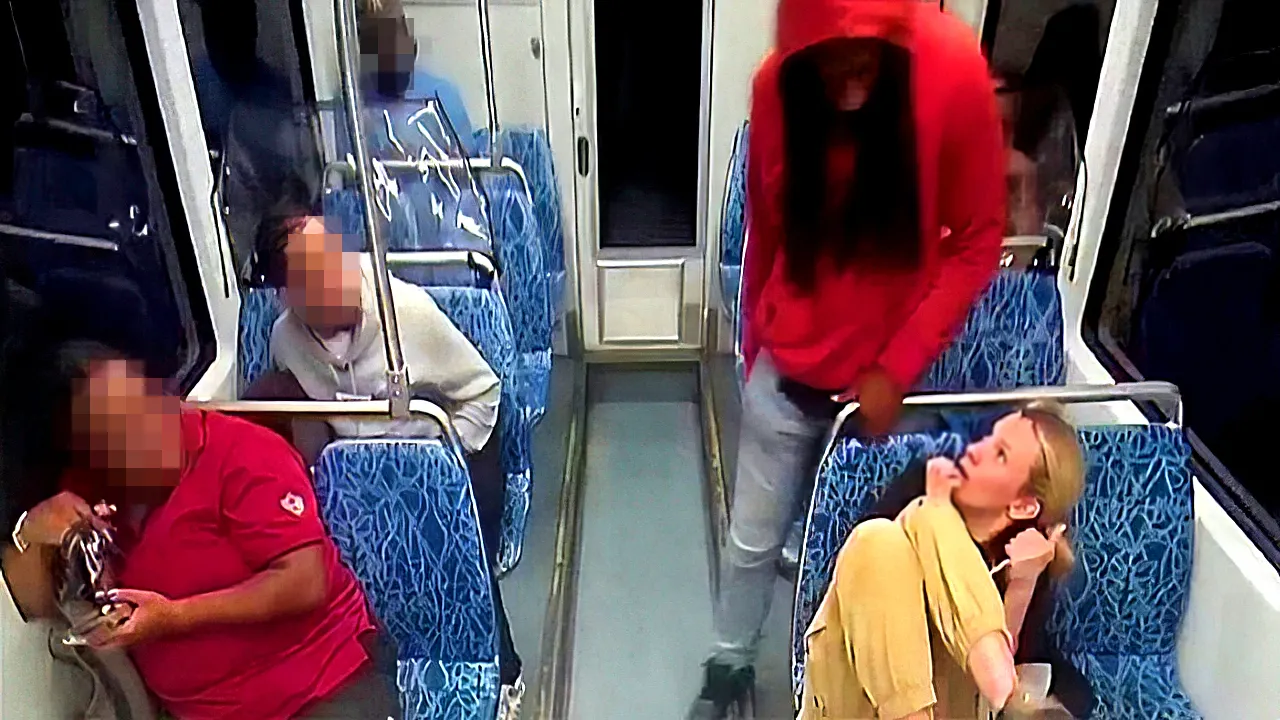
Family of Slain Charlotte Transit Passenger Iryna Zarutska Sues City and Security Firm Over Preventable Death
The family of Iryna Zarutska, a 23-year-old Ukrainian refugee fatally stabbed on a Charlotte Lynx Blue Line train on August 22, 2025, filed a wrongful death lawsuit on August 21, 2026. The complaint against the City of Charlotte and Professional Security Services (PSS) alleges systemic security failures, including inadequate staffing and the absence of fare enforcement, directly contributed to the attack.
Allegations of Systemic Negligence and Staffing Shortfalls
The legal action, filed in Mecklenburg County Superior Court by Zarutska’s uncle, Frank Scott Haskell, contends that the fatal attack was a preventable tragedy. According to the complaint, the defendants failed to implement basic security measures, such as physical access barriers or consistent fare enforcement, which might have deterred the assailant, Decarlos Brown Jr.
The lawsuit highlights a significant discrepancy between the security contracted for the Charlotte Area Transit System (CATS) and the personnel actually deployed. While Charlotte’s contract with PSS provided funding for 219 security personnel for fiscal years 2025 and 2026, the filing alleges that only 183 were hired at the time of the stabbing. Furthermore, the contract mandated up to 39 armed guards, but the suit claims only 11 were active when Zarutska was killed.
The Role of Fare Enforcement in Transit Safety
A central pillar of the plaintiff’s argument is the lack of fare enforcement on the Lynx Blue Line. The lawsuit alleges that Brown, who has a history of violent crime, boarded the train without paying a fare. Attorney Lauren Newton, representing the Zarutska estate, stated that fare checks serve as a fundamental deterrent to unauthorized access. The complaint asserts that the city and its contractor were aware of previous violent incidents on the rail line yet failed to address the open-access nature of the system.
This incident has drawn intense scrutiny toward municipal transit management. The North Carolina State Auditor’s office released a report noting that CATS loses approximately $6.5 million annually to fare evasion and failed to exhaust its allocated safety budget.
Legal and Administrative Implications for Charlotte
Decarlos Brown Jr. currently faces state and federal charges for the murder of Zarutska. However, legal proceedings have been stalled; a federal judge ruled Brown incompetent to stand trial earlier in the summer of 2026, and he is undergoing psychiatric treatment to restore his competency.

While the City of Charlotte has invested in increasing its security presence since the 2025 attack, officials have historically pushed back against the feasibility of stationing security on every train or installing physical turnstiles. The lawsuit seeks damages exceeding $25,000 and punitive damages against PSS, citing gross negligence.
A Call for Accountability
The filing serves as a stark reminder of the intersection between public policy, budget allocation, and individual safety. As the city prepares its legal response, the case highlights a broader national conversation regarding the security of light-rail systems in major metropolitan areas. The estate’s legal team maintains that the city turned a “blind eye” to public safety, and they are seeking a jury trial to force transparency regarding how safety risks were assessed and ignored leading up to August 2025.

Public transit safety remains a high-stakes challenge for urban centers nationwide. As litigation proceeds, the outcome may set a precedent for how municipalities and their private contractors are held accountable for the safety of passengers in open-access transit environments. Whether through enhanced surveillance, stricter fare enforcement, or improved personnel deployment, the pressure on local governments to secure these systems is unlikely to diminish.