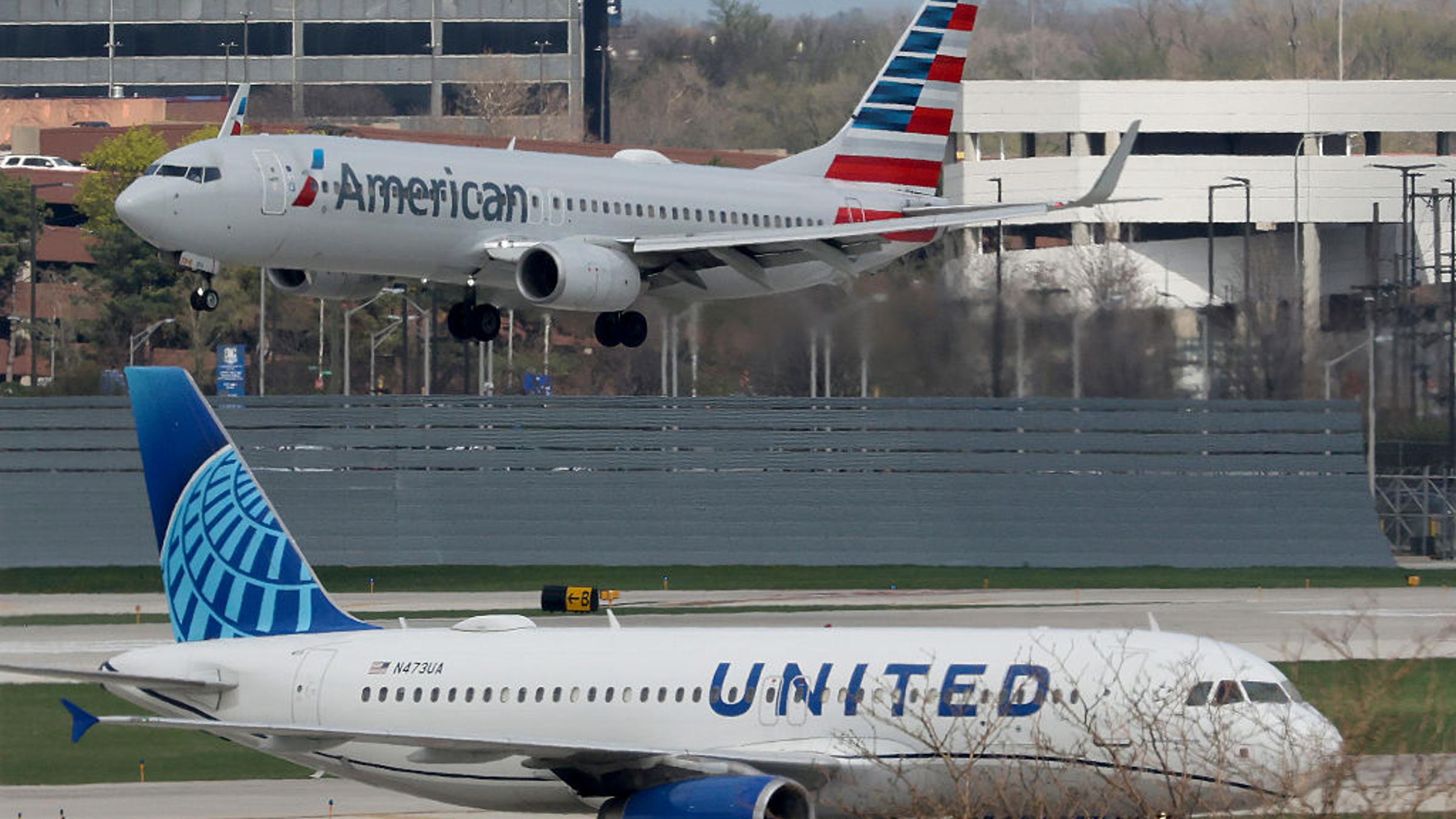
FAA Caps Daily Flights at Chicago O’Hare to Prevent Summer Delays
Federal transportation officials have capped daily flights at Chicago O’Hare International Airport at 2,708 for the summer of 2026, forcing airlines to cancel up to 372 flights per day during peak periods to prevent widespread delays caused by unrealistic scheduling and ongoing airfield construction. This FAA-imposed restriction, effective May 17 through October 24, aims to align flight volume with the airport’s operational capacity amid persistent infrastructure upgrades that have degraded on-time performance for years.
The Roots of O’Hare’s Chronic Congestion
O’Hare’s struggle with delays is not fresh. Even before the pandemic, the airport ranked among the worst in the nation for on-time departures, with construction-related taxiway closures and outdated ground movement procedures creating bottlenecks. In 2019, only 68% of flights departed on time—a figure that dropped to 56% in summer 2025, according to FAA performance metrics. The current wave of construction, including the rehabilitation of Taxiways A and B and reconfiguration of west-field taxi routes, has reduced usable airfield space by an estimated 18% during peak hours, according to a 2024 City of Chicago Aviation Department internal audit obtained via FOIA request.
What makes this summer particularly volatile is the convergence of ambitious airline expansion plans with constrained infrastructure. American Airlines announced in January 2026 a 12% increase in mainline flights at O’Hare for summer scheduling, while United Airlines outlined a 15% boost in regional jet operations tied to its “Connects Chicago” initiative. These plans were submitted assuming full airfield availability—an assumption the FAA now says was “not grounded in current operational realities.”
Economic Ripple Effects Across Chicagoland
The flight reductions will reverberate beyond airline balance sheets. O’Hare contributes over $38 billion annually to the regional economy, supporting nearly 420,000 jobs directly and indirectly, according to the Chicagoland Chamber of Commerce. A sustained 12% reduction in flight capacity could trim regional GDP by $1.1 billion over the summer months, with hospitality, logistics, and business services sectors feeling the earliest impact.
“We’re not just talking about missed connections—we’re talking about missed business opportunities, delayed supply chains, and real income loss for hourly workers in hospitality and ground transportation who depend on predictable passenger volumes.”
Local municipalities are as well bracing for secondary effects. Elk Grove Village, which hosts numerous air cargo facilities and hotel clusters dependent on airport traffic, has seen a 9% year-over-year decline in transient occupancy tax receipts since March, according to Illinois Department of Revenue data. Meanwhile, the City of Chicago projects a $14 million shortfall in airport-related concession revenue if current trends continue—a gap that could strain funding for public transit improvements tied to the O’Hare Modernization Program.
Legal and Operational Workarounds Underway
Airlines are exploring procedural adjustments to mitigate the impact without sacrificing market share. United has begun shifting certain regional flights to Milwaukee’s General Mitchell International Airport and Chicago Rockford International Airport, leveraging underutilized capacity in the broader Chicagoland airspace system. American Airlines is experimenting with staggered pushback times and enhanced ground radar sequencing to maximize throughput within the new slot limits.
Legal experts note that while the FAA’s authority to impose flight caps is well-established under 49 U.S.C. § 44701, airlines retain limited recourse through administrative appeals. “The FAA’s judgment on capacity is entitled to deference,” says U.S. Department of Transportation aviation policy guidance, “but airlines may challenge whether the agency properly accounted for mitigation measures like improved ground traffic management.”
“We’ve advised clients to document all operational adjustments and cost impacts meticulously. If the FAA revisits its assumptions mid-season based on actual construction progress, there may be grounds to request a slot restoration—but only if the record shows the airline acted in solid faith to optimize within existing constraints.”
For businesses affected by disrupted travel patterns—whether logistics firms facing just-in-time delivery delays or conference organizers losing out-of-town attendees—the solution lies in proactive adaptation. Companies are increasingly turning to emergency restoration contractors not just for disaster response, but for rapid-deployment supply chain rerouting services. Similarly, legal teams specializing in commercial real estate attorneys are being consulted to reassess lease agreements and co-tenancy clauses in airport-adjacent developments where foot traffic projections are now obsolete.
A Temporary Fix for a Structural Challenge
The FAA maintains that the summer cap is a bridge, not a permanent solution. Administrator Bryan Bedford cited “significant progress” expected on airfield construction by fall, pointing to the completion of Taxiway C rehabilitation and new deicing pad installations as milestones that could restore full capacity by Q1 2027. Yet critics argue that without a fundamental rethinking of O’Hare’s runway configuration—long hampered by political resistance to a proposed third parallel runway—the airport will remain vulnerable to seasonal capacity crises.
As the summer travel season approaches, the real test will be whether airlines, regulators, and local stakeholders can transform this constraint into an opportunity for smarter scheduling, better ground operations, and more resilient regional connectivity. For now, travelers booking flights to, from, or through Chicago should build in extra buffer time—and know that when disruptions arise, the professionals listed in the World Today News Directory are ready to help navigate the complexity.