Exxon, Shell, and Repsol Set Record Bids in Alaska’s Oil Lease Auction Amid Willow and Pikka’s Revival Push
On May 14, 2026, ExxonMobil, Shell, and Repsol placed record-breaking bids totaling $163 million in Alaska’s National Petroleum Reserve lease sale—the first such auction since 2019. This surge in upstream investment signals a pivot toward Arctic oil development, reversing years of regulatory restrictions under the Biden administration. The move raises critical questions about energy security, environmental risks, and the economic ripple effects on rural Alaskan communities.
The Arctic Pivot: Why Big Oil Is Betting on Alaska Now
The 2026 lease sale marks a seismic shift in U.S. Energy policy. After years of legal battles and federal moratoriums, the auction—mandated by recent tax legislation—drew $163 million in high bids, nearly 60% higher than the previous record set in 2019. The winning bids were led by Repsol and Shell ($91 million combined), with ExxonMobil and ConocoPhillips securing adjacent tracts to their existing Willow and Pikka projects. This isn’t just a financial windfall; it’s a strategic realignment.
“This auction proves the Arctic isn’t just a frontier—it’s the next frontier. The companies winning today aren’t just chasing oil; they’re securing supply chains for decades to come.”
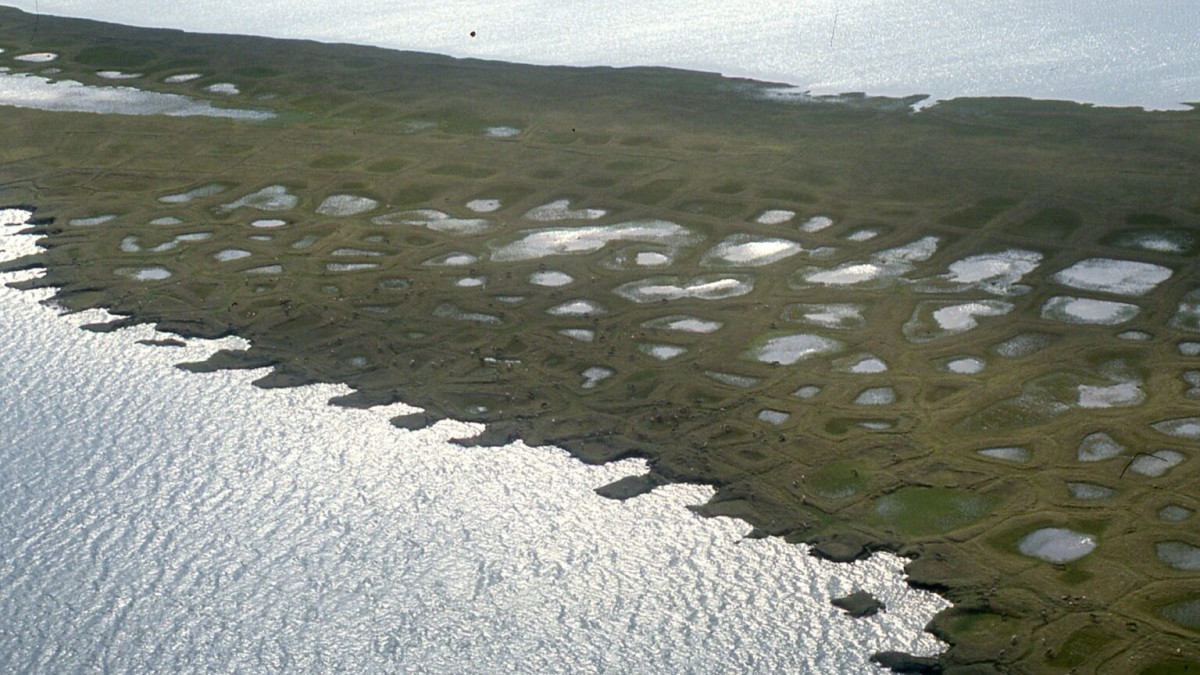
Alaska’s National Petroleum Reserve (NPR-A), a 23-million-acre expanse larger than Indiana, was established in 1923 to mitigate energy shortages. Yet its development has been contentious, pitting energy producers against environmental groups over threats to caribou herds, migratory birds, and Indigenous lands. The 2026 auction’s success hinges on three factors: policy certainty, technological advancements in Arctic drilling, and global energy market volatility.
Policy Certainty: The Trump Administration’s Lease Mandate
The auction’s timing isn’t accidental. The 2025 Fiscal Responsibility Act, signed into law late last year, explicitly required five lease sales in the NPR-A over two years. This legislative push—paired with the Biden administration’s restrictions being lifted—created a “golden window” for developers. “The uncertainty of the past eight years is over,” said Kevin Pendergast, Alaska State Director for the Bureau of Land Management (BLM), in a March 2026 statement. “Companies are now operating with predictable timelines.”

Critics argue the mandate bypassed environmental reviews. The BLM’s final environmental impact statement for the auction acknowledged potential disruptions to the Porcupine caribou herd but concluded that mitigation measures—like seasonal drilling bans—would suffice. Indigenous groups, however, remain skeptical. The Gwich’in Steering Committee, representing Alaska Native communities, has filed a lawsuit challenging the lease approvals, citing violations of the National Environmental Policy Act.
Economic Ripple Effects: Who Wins Beyond the Oil Giants?
The $163 million in bids is a drop in the bucket compared to Alaska’s $70 billion annual economy, but the long-term impact could be transformative. The state’s Department of Labor projects the auction could create 3,000–5,000 jobs over the next decade, primarily in Prudhoe Bay and the North Slope. Yet rural communities like Kaktovik—home to the Inupiat—face a delicate balance: economic growth vs. Cultural preservation.
For local governments, the influx of workers and infrastructure strains municipal services. In Utqiaġvik (Barrow), the city’s emergency response contractors are already preparing for a surge in demand, particularly in healthcare and housing. “We’re not just talking about oil rigs,” says Mayor Johnathan Morrow. “We’re talking about schools, roads, and hospitals that need to scale overnight.”
Environmental Gambit: Can Technology Outpace the Risks?
ExxonMobil and Shell’s bids include advanced recycling policies and carbon capture commitments—tools they argue will offset Arctic drilling’s environmental footprint. Yet skeptics point to the Willow Project, where ConocoPhillips’ 2023 approval was tied to a $1.9 billion investment in offsetting emissions. Critics argue these measures are reactive, not preventive.
Independent studies, such as those from the National Oceanic and Atmospheric Administration, warn that Arctic drilling accelerates permafrost thaw, releasing methane—a greenhouse gas 80 times more potent than CO₂. The BLM’s auction data doesn’t address these long-term risks, leaving a critical information gap.
The Directory Bridge: Navigating the Fallout
This energy resurgence creates urgent needs across sectors. For communities facing infrastructure overload, securing environmental compliance attorneys to navigate NEPA challenges is non-negotiable. Indigenous groups may require legal aid organizations specializing in tribal land rights, while local governments are scrambling to hire urban planning consultants to accommodate a transient workforce.

On the corporate side, oil companies are turning to energy transition advisors to balance Arctic expansion with ESG (Environmental, Social, and Governance) commitments. The International Energy Agency’s 2025 report on Arctic oil highlights that only 12% of current projects integrate “net-zero pathways”—a figure Big Oil is now racing to improve.
The Long Game: What’s Next for Alaska’s Oil Future?
By 2030, the NPR-A could produce 1.2 million barrels per day—equivalent to 10% of U.S. Oil output. But this projection hinges on three variables: global oil prices (currently hovering around $85/bbl), regulatory stability, and technological breakthroughs in Arctic drilling. The 2026 auction is just the first act. The next phase will test whether Alaska can develop its resources without repeating the mistakes of the 1970s—when boomtowns like Prudhoe Bay collapsed into ghost towns as quickly as they emerged.
“Alaska’s oil story isn’t about the past. It’s about the next 50 years. The question isn’t whether we’ll drill—it’s whether we’ll do it right.”
The Arctic’s energy future isn’t just a story of oil. It’s a story of trade-offs: economic opportunity vs. Environmental stewardship, Indigenous rights vs. Corporate expansion, and short-term gains vs. Long-term resilience. For those navigating this landscape, the World Today News Directory is your compass—connecting you to the verified professionals and organizations equipped to turn these challenges into solutions.