
Extreme Weather: The Growing Risk to Business Continuity and Workforce Resilience
Global corporations are facing systemic EBITDA erosion as extreme weather events transition from “black swan” anomalies to recurring operational liabilities. This fiscal volatility is forcing C-suite executives to overhaul business continuity plans and risk frameworks to protect margins against escalating climate-driven supply chain disruptions and workforce attrition.
The era of treating climate change as a CSR (Corporate Social Responsibility) footnote is over. We are now in the era of material financial impact. When a flash flood wipes out a semiconductor hub in Southeast Asia or a heatwave triggers a power grid failure in Texas, the result isn’t just a “delay”—it is a direct hit to the quarterly bottom line, manifesting as spiked OpEx and collapsed inventory turnover ratios.
For the modern CFO, the problem is no longer just the weather; it is the uninsurability of the risk. As traditional underwriters retreat from high-risk zones, companies are left with massive gaps in their balance sheets. This volatility creates an urgent demand for specialized risk management consultants who can architect private captive insurance models or hedge against climate-induced asset devaluation.
The Quantified Cost of Climate Volatility
The numbers are staggering. According to data from the Munich Re natural catastrophe reports, insured losses from natural disasters have consistently trended upward, often exceeding $100 billion annually. However, the “silent” costs—those not covered by insurance—are where the real damage resides. We are talking about the loss of human capital productivity and the sudden obsolescence of physical infrastructure.

Consider the ripple effect on just-in-time (JIT) manufacturing. A single extreme weather event in a key logistics corridor can trigger a “bullwhip effect,” where small fluctuations in demand or supply at the retail level create massive swings in production requirements upstream. This leads to bloated inventories during the recovery phase and acute shortages during the crisis, crushing net profit margins.
“We are seeing a fundamental shift in how the board views resilience. It is no longer about ‘recovery time’—it is about ‘adaptive capacity.’ If your supply chain cannot pivot in real-time to a secondary geographic node, you aren’t managing risk; you’re gambling with your market cap.” — Marcus Thorne, Managing Director of Global Infrastructure at a Tier-1 Institutional Investment Firm.
The volatility is now appearing in SEC filings. A closer look at recent 10-K “Risk Factors” sections reveals a surge in mentions of “climate-related physical risks.” Companies are explicitly warning shareholders that extreme weather could impair long-term asset valuations and increase the cost of capital as lenders price in environmental instability.
The Human Capital Leak: Workforce Resilience as a Fiscal Metric
Although the physical destruction of factories is straightforward to quantify, the erosion of workforce productivity is a stealth killer of EBITDA. Extreme heat and flooding don’t just stop production lines; they dismantle the social fabric of the labor force. When employees are displaced by climate events, the resulting “labor shock” leads to increased churn and higher recruitment costs.
Business continuity is now inextricably linked to employee well-being. A worker who cannot reach the office due to infrastructure collapse is a productivity loss; a worker whose home is destroyed is a talent loss. This creates a critical need for enterprise HR consultancy firms that specialize in workforce resilience and flexible operational frameworks.
The financial implication is a rise in “Climate-Adjusted Labor Costs.” Companies are having to invest in climate-resilient housing for essential workers or implement aggressive remote-work redundancies to ensure that a regional disaster does not result in a total operational blackout.
Three Pillars of the Novel Corporate Resilience Strategy
- Geographic Diversification of CAPEX: The shift from “low-cost sourcing” to “low-risk sourcing.” Firms are moving away from concentrated hubs in climate-vulnerable zones, opting for a distributed network of smaller, redundant facilities to avoid single-point-of-failure risks.
- Dynamic Liquidity Buffers: Increasing the ratio of liquid assets to fixed assets. By maintaining higher cash reserves or utilizing flexible credit lines, firms can absorb the sudden shock of a catastrophic weather event without triggering a liquidity crisis or a credit rating downgrade.
- Integration of Climate Intelligence into ERP: Moving beyond static spreadsheets to AI-driven predictive modeling. By integrating real-time meteorological data into Enterprise Resource Planning (ERP) systems, companies can trigger “pre-emptive pivots” in logistics before the storm even hits.
This transition requires a sophisticated legal architecture. As companies rewrite their contracts to include more robust force majeure clauses and climate-specific indemnity agreements, the role of corporate law firms specializing in international trade has become paramount. The goal is to shift the financial burden of “acts of God” through meticulously negotiated B2B agreements.
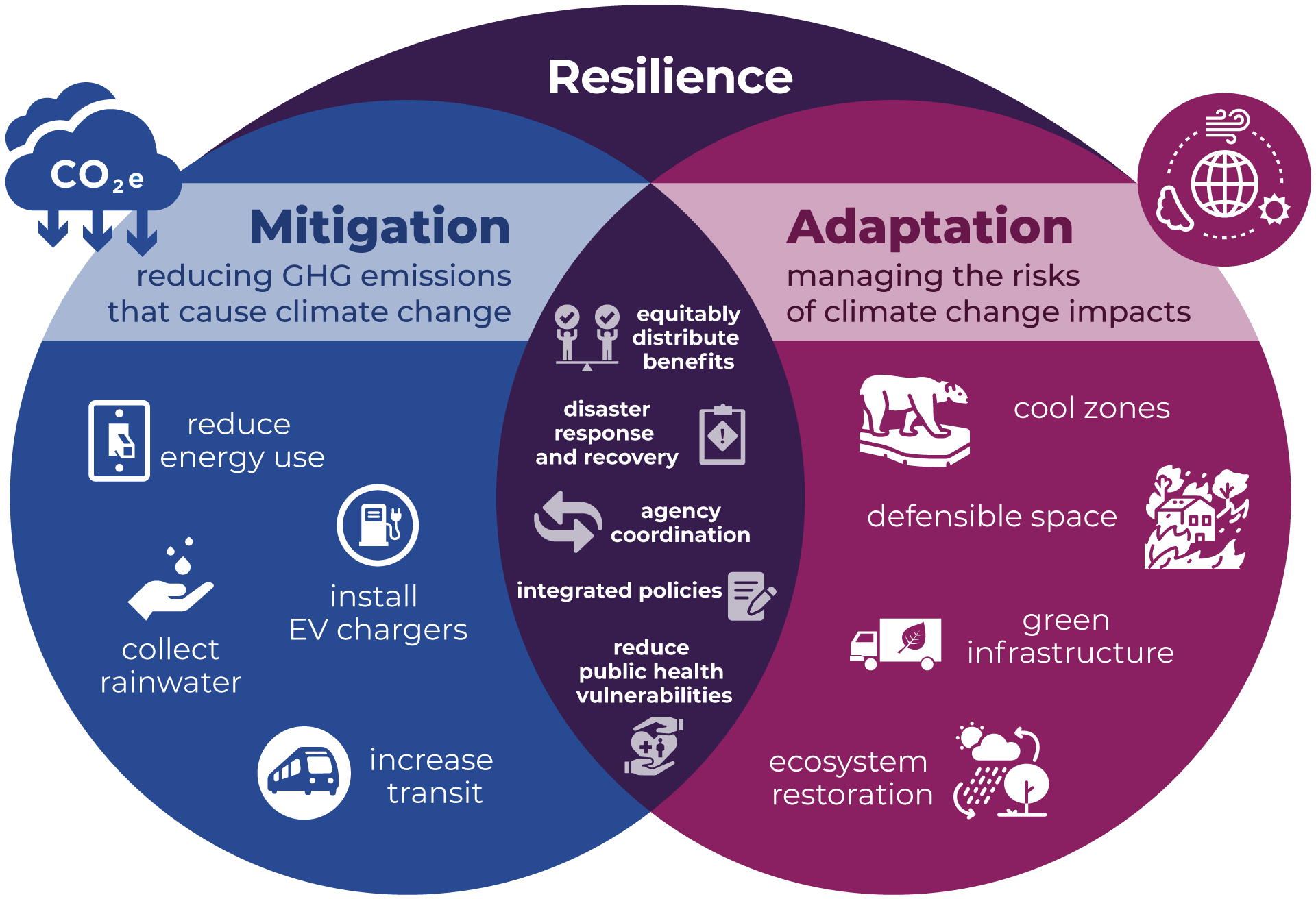
The Boardroom Verdict: From Mitigation to Adaptation
The market is beginning to reward “Climate-Adaptive” firms with higher valuation multiples. Investors are no longer just looking for “Green” companies; they are looking for “Resilient” companies. A firm that can prove its operations are decoupled from regional weather volatility is a safer bet, leading to lower borrowing costs and a more stable stock price.
The gap between the “prepared” and the “exposed” is widening. Those who view extreme weather as a sporadic nuisance will find themselves blindsided by the next systemic shock. Those who treat it as a core financial risk—integrated into every capital allocation decision—will capture the market share left behind by their failing competitors.
As we move into the next fiscal quarters, the mandate for the C-suite is clear: build a business that doesn’t just survive the storm, but thrives because it was the only one still standing. Finding the right partners to build this infrastructure is the most critical investment a firm can make today. Whether it is securing a resilient supply chain or auditing climate risk, the vetted experts within the World Today News Directory are the first line of defense in an increasingly volatile global economy.