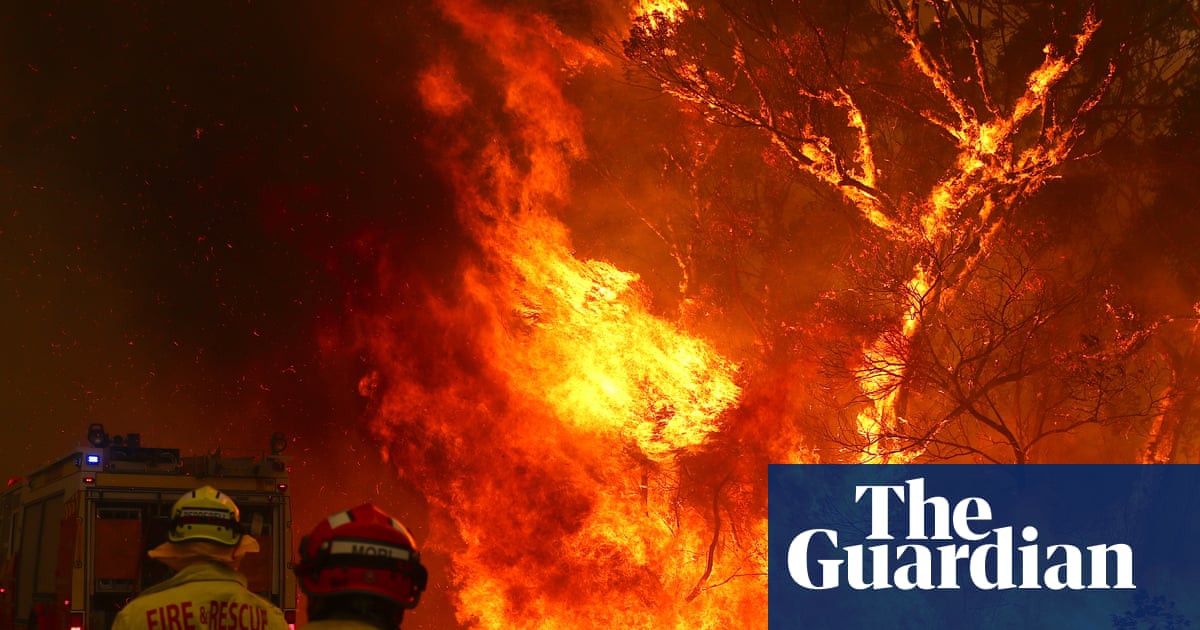
Extreme Heatwaves and Major Wildfires Surge Across US, Canada, and Europe
As record-breaking heatwaves fuel uncontrollable wildfires across Europe, the United Kingdom, and North America, authorities are increasingly looking to Australia’s “total fire ban” protocols and land management strategies as a blueprint for survival. With vegetation and infrastructure under unprecedented stress, the crisis underscores a permanent shift in seasonal fire risk.
The Structural Shift in Global Fire Behavior
The wildfire seasons of 2026 have arrived with a intensity that has overwhelmed traditional municipal emergency responses. According to data from the National Interagency Fire Center (NIFC), the United States is currently grappling with a surge in large, uncontained wildfires, a trend mirrored by catastrophic reports across Canada and Southern Europe. This is not merely a seasonal anomaly; it is the manifestation of a multi-year trend in atmospheric drying and prolonged heat domes.
For UK residents and European municipal planners, the reality of “fire weather” is a relatively new challenge. Historically, these regions relied on temperate climate buffers that no longer exist. The core problem is two-fold: an aging infrastructure ill-equipped for extreme thermal expansion and a lack of specialized, high-intensity wildfire management experience among local volunteer and professional fire services.
Australia’s Provenance in High-Intensity Mitigation
Australia has managed the world’s most volatile fire environments for decades. The Australian approach, codified through the Australasian Fire and Emergency Service Authorities Council (AFAC), relies on three pillars: early-detection satellite mapping, strict fuel-load management through controlled burns, and a highly mobile national reserve of heavy-lift aerial firefighting assets.
The transition from a reactive to a proactive state is the most vital lesson for Northern Hemisphere nations. When fire intensity exceeds the capability of local ground crews, the reliance on rapid-response aerial support becomes the only variable that prevents total loss of property. However, deploying these assets requires a centralized, cross-jurisdictional command structure that many European nations have yet to fully implement.
“The challenge for Europe is not just the heat, but the transition of landscape. We are seeing forests that were once considered fire-resistant turn into tinderboxes within a single week of 40-degree temperatures. The Australian model of ‘defend or leave’ is a hard lesson, but it is the baseline for modern survival,” says a senior wildfire analyst with the European Forest Institute.
Infrastructure Resilience and the Role of Private Expertise
The physical destruction of homes and utilities is often compounded by the failure of local recovery systems. As municipal budgets struggle to keep pace with the scale of destruction, a significant gap has emerged between public disaster relief and the immediate need for private sector intervention.
Property owners and commercial entities are finding that government agencies alone cannot manage the complexity of post-fire restoration. Securing vetted `[Emergency Restoration Contractors]` is now the critical first step for those looking to mitigate further damage from secondary hazards like soil erosion or structural instability. Relying on unvetted service providers in the immediate aftermath of a disaster frequently leads to long-term litigation and insurance disputes.
Legal and Regulatory Exposure for Developers
Beyond the immediate physical danger, the wildfire crisis has created a legal minefield for commercial landowners. Jurisdictions are tightening fire-safety mandates, requiring property owners to maintain firebreaks and adhere to strict vegetation management codes. Failure to comply can lead to massive liability exposure if a fire originates on or spreads through private land.
Navigating these shifting penalties is increasingly complex. Developers are now consulting top-tier `[Commercial Real Estate Attorneys]` to shield their assets and ensure that their environmental compliance strategies meet the new, more rigorous standards being drafted by regional councils. Without proactive legal oversight, developers face the risk of being held responsible for regional wildfire damages that were previously categorized as “acts of God.”
The Path Toward Adaptive Governance
As of July 17, 2026, the data remains clear: the window for disaster prevention is closing. The Copernicus Atmosphere Monitoring Service has documented a record spike in fire-related carbon emissions, signaling that the current strategy of containment is failing to address the underlying environmental volatility.
The solution requires a complete overhaul of how municipalities interact with the private sector. By integrating private sector intelligence and specialized services into public emergency management, governments can move from a state of constant, expensive reaction to one of calculated, durable defense. The lesson from Australia is not that fires can be stopped, but that they can be managed—provided the infrastructure, the law, and the community are aligned before the first spark is struck.
For those currently managing assets in high-risk zones, the time to audit your risk profile is now. Engaging with `[Disaster Risk Management Consultants]` can provide the necessary foresight to move your operations from a position of vulnerability to one of resilience.