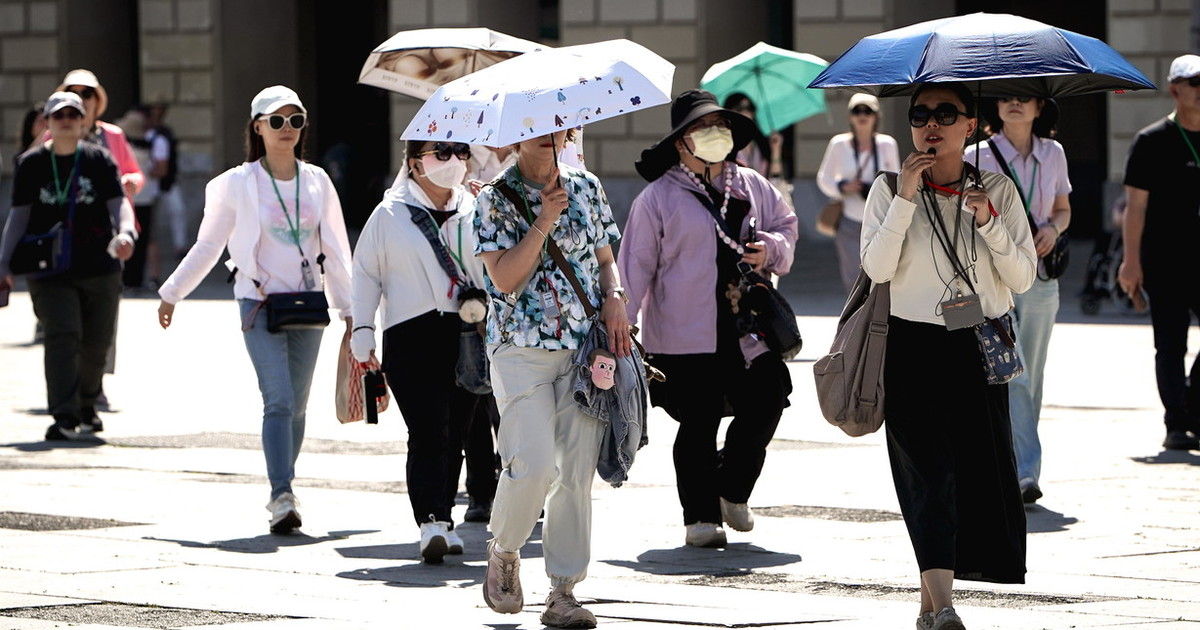
Extreme Heatwave Hits Italy: 8 Cities Face Red Alert This Weekend
An intense African anticyclone is sweeping across Italy this week, pushing temperatures to extreme levels and triggering red-level heat alerts in eight major cities by Sunday, June 21, 2026. Health authorities have warned of significant risks to vulnerable populations as the heatwave compounds existing infrastructure strain across the peninsula.
The Meteorological Drivers of the Current Heatwave
The current thermal spike is driven by a high-pressure system originating in the Sahara, which has effectively blocked cooler Atlantic currents from reaching the Mediterranean. According to data from the Italian Air Force Meteorological Service, this stagnation of air mass is creating a “heat dome” effect. This phenomenon prevents the normal dissipation of thermal energy at night, leading to consistent overnight temperatures that remain significantly above seasonal averages.
Meteorologists note that this is not a localized event but a continental-scale atmospheric anomaly. The persistence of the anticyclone is expected to last through at least the middle of next week, with the most severe impacts concentrated in central and southern regions.
“The intensity of this heatwave is characterized by the duration of the thermal peak. It is not merely the daytime high that poses a risk, but the lack of nocturnal cooling, which prevents the human body from recovering from heat stress,” stated Dr. Elena Rossi, a climate researcher specializing in Mediterranean weather patterns.
Urban Vulnerability and Municipal Response
Eight cities—including Rome, Florence, and Bologna—have been placed under the highest “red” warning level by the Ministry of Health. This designation triggers mandatory activation of local heat-response protocols. These protocols typically include the extension of operating hours for cooling centers, increased welfare checks for the elderly, and the deployment of mobile medical units in high-density urban centers.
The urban heat island effect, where concrete and asphalt trap heat, is exacerbating the crisis. In cities like Rome, temperatures in the historic center are projected to remain several degrees higher than in surrounding rural areas. For those managing commercial properties or aging residential infrastructure, the pressure to maintain climate control systems is immense. Property owners are increasingly turning to certified HVAC restoration experts to ensure that mechanical cooling systems do not fail under the sustained load of the heatwave.
Comparative Impact: Heatwave Metrics
| Region | Alert Level | Primary Risk |
|---|---|---|
| Central Italy | Red (Maximum) | Cardiovascular stress |
| Southern Italy | Orange (High) | Dehydration/Heat stroke |
| Northern Italy | Yellow (Moderate) | Air quality degradation |
Public Health and Infrastructure Resilience
Beyond the immediate medical risks, the heatwave places a severe burden on the national power grid. As residential and commercial air conditioning demand surges, the risk of localized brownouts increases. The Italian Terna Group, which manages the national electricity transmission grid, has advised that while capacity remains stable, the efficiency of transformers decreases significantly in ambient temperatures exceeding 35 degrees Celsius.
This reality has forced a shift in how municipalities approach urban planning. There is a growing demand for legal and architectural consultation to integrate green infrastructure into existing urban landscapes. Local government bodies are currently coordinating with specialized environmental engineering firms to retrofit public spaces with heat-resistant materials and improved thermal management designs.
Furthermore, the agricultural sector faces long-term consequences. The sustained lack of rainfall coupled with high evapotranspiration rates threatens crop yields. Farmers are now evaluating the necessity of advanced irrigation technologies to mitigate the damage to essential food supplies.
Legal and Occupational Safety Considerations
Occupational safety laws mandate that employers must provide a safe working environment, which includes protection against heat-related illness. According to the National Institute for Insurance against Accidents at Work (INAIL), employers are legally obligated to modify shift schedules or provide adequate hydration and breaks during extreme weather events. Failure to adhere to these safety standards can result in significant legal liability.

The complexity of these regulations often requires professional guidance. Businesses are frequently seeking assistance from employment and labor law specialists to ensure their operational policies are compliant with current emergency decrees. Protecting staff is not only a moral imperative but a legal necessity during these periods of extreme climate stress.
As the heatwave continues to grip the country, the divide between those with adequate infrastructure and those without is becoming more pronounced. The coming days will test the resilience of both the electrical grid and the public health system. Vigilance is required, and for those responsible for communal safety, proactive planning is the only viable path forward. When the unexpected occurs, having access to a network of reliable, vetted professionals remains the most effective strategy for mitigation. Locate the assistance you need through the World Today News Directory to ensure your operations and facilities remain secure throughout this summer season.