
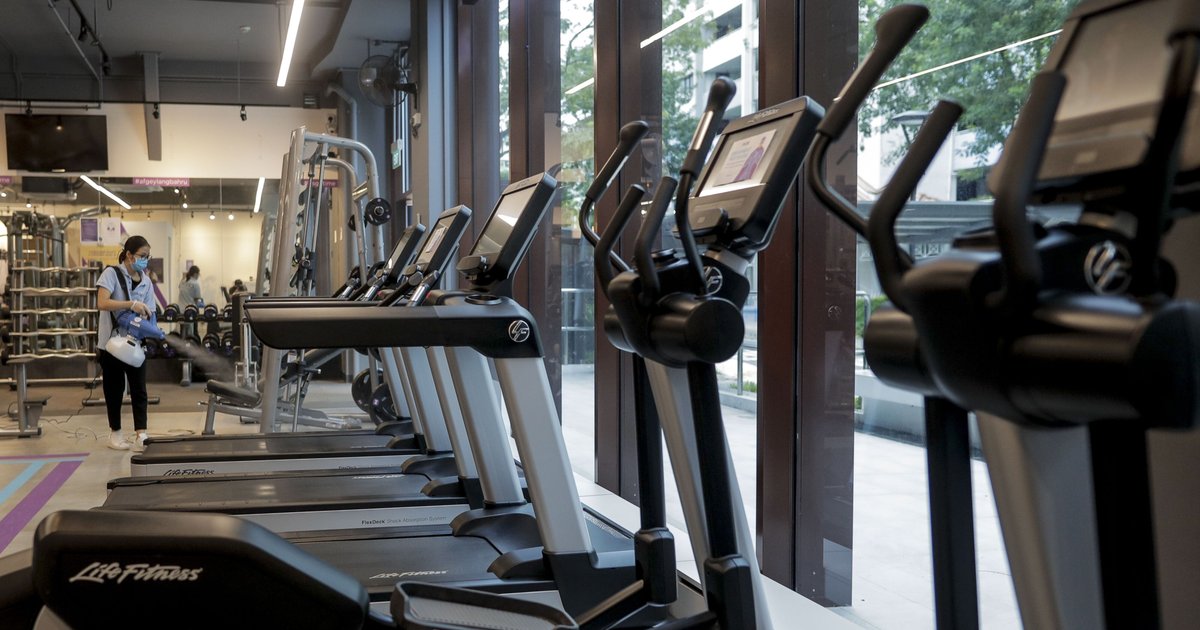
Luxury Gyms Hide Exploitation of Migrant Cleaners
Workers Survived Grueling Hours, Shared Beds, and Threats
Exposés have revealed shocking exploitation of cleaners in high-end establishments, with workers reportedly having passports confiscated and enduring excessive working hours. Investigations highlight a disturbing reality for vulnerable migrant laborers.
“A Nasty Reality” Uncovered
A total of 23 cleaning staff were allegedly subjected to severe mistreatment. Reports indicate some workers toiled for up to 17 hours daily, shared cramped sleeping quarters, and lacked proper work visas. Threats of termination or actual dismissal were common tactics used against them.
“The signals of exploitation that we see – for example, long working hours, poor payment, short breaks, confiscating passports – we see that quite often. It just doesn’t always come to light. And in that respect, it is good that this case is getting so much media attention and news coverage.”
—Anne Kuijk, Director of CoMensha
The “Invisible Crime” of Labor Abuse
Anne Kuijk, Director of CoMensha, the Coordination Centre against Human Trafficking, described the situation as a “nasty reality,” though not entirely surprising. She categorized the exploitation of labor migrants as an “invisible crime” due to the vulnerable position of the victims.
These individuals often depend entirely on their employers and may fear reporting their mistreatment. CoMensha received 868 reports of human trafficking in 2023, with 32 percent specifically involving labor exploitation, but acknowledges this figure represents only the visible tip of the iceberg.
Victims Trapped by Vulnerability
Kuijk explained that victims face coercion and intimidation, compounded by their precarious financial situations. Many remain unpaid for work already completed, making the decision to speak out incredibly difficult.
Furthermore, proposed new asylum legislation could criminalize illegal status, potentially deterring victims from seeking help. “If you are here illegally, a punishment hangs over your head instead of protection,” Kuijk warned, urging against the passage of such measures.
Calls for Legislative Reform and Vigilance
To combat this persistent issue, Kuijk stressed the need for new legislation targeting labor exploitation. While new laws passed by the House of Representatives are awaiting Senate approval, she noted that legislation alone won’t solve the problem entirely.
Continuous efforts to identify such cases are crucial. “We will have to keep detecting these kinds of cases. I fear we won’t eradicate it, but we can do more. And employers too,” she stated.
Exploitation Lurks in Plain Sight
The exposure of this case, particularly its occurrence within a luxury setting, serves as a critical reminder. “People might think: where does this happen? Perhaps in a remote industrial estate. But you see here that it also happens in the luxury segment, in the middle of society, in the city center,” Kuijk emphasized.
She urged public awareness: “So it requires all of us to keep paying attention. If you see someone working so many overtime hours and looking unwell, or hear that someone’s passport has been confiscated, those are definitely strong signals of labor exploitation. And if in doubt: report it to us, for example. Or if it’s urgent – if you think help is really needed immediately – then you should call 112.”
Reports indicate that the number of human trafficking victims identified in the UK rose by 11% in 2023, with labor exploitation being a significant factor, underscoring the global nature of this challenge (UK Home Office, 2024).
