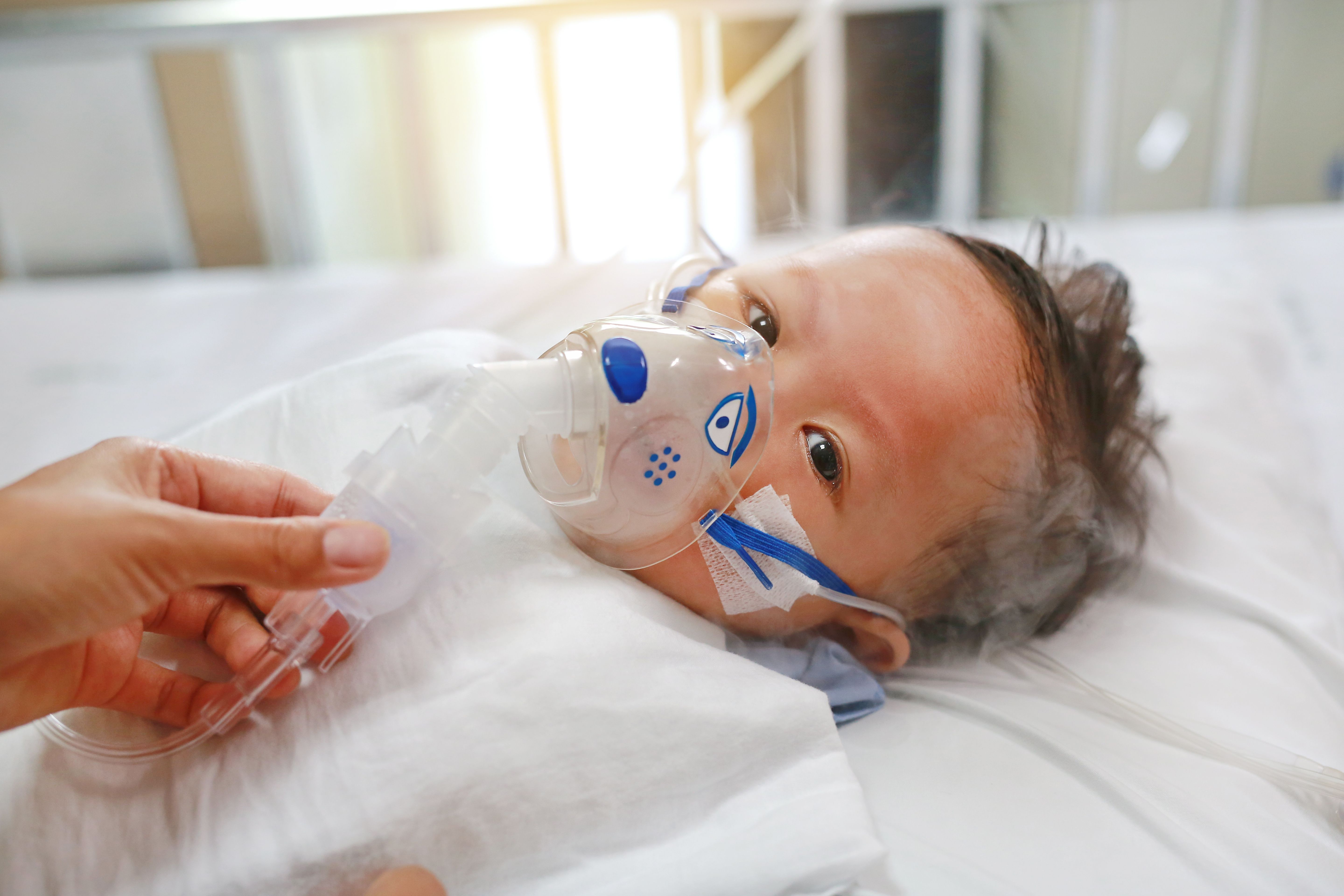
Experts Detail Maternal Vaccines and Monoclonal Antibodies for Infant RSV Prevention
Severe respiratory syncytial virus (RSV) in infants should become uncommon rather than remaining an inevitable seasonal threat, according to clinical experts who mapped out a comprehensive prevention playbook.
- Maternal vaccination between 32 and 36 weeks’ gestation requires a 14-day window before delivery for optimal antibody transfer to the infant.
- Monoclonal antibodies such as nirsevimab and clesrovimab protect infants younger than 8 months entering their first RSV season, with nirsevimab also approved for high-risk children aged 8 to 19 months during a second season.
- Clinical gaps including missed birth-hospitalization doses, lack of tracking for off-season births, and Medicaid disparities currently leave vulnerable infants unprotected.
Two Routes to Infant Protection
The prevention strategy relies on active maternal immunization or direct passive immunoprophylaxis via monoclonal antibodies. Maternal vaccination is recommended at 32 to 36 weeks of pregnancy, requiring at least 14 days between administration and delivery to ensure optimal antibody transfer, as explained by Simões. Infants born to unvaccinated mothers, or those whose mothers received the vaccine fewer than 14 days before delivery, are candidates for a monoclonal antibody given ideally at birth.
Both nirsevimab and clesrovimab hold regulatory approval for infants younger than 8 months born during or entering their first RSV season, noted Tan. Nirsevimab dosing is weight-based at 50 mg for infants under 5 kilograms and 100 mg for those weighing 5 kilograms or more. Clesrovimab is administered as a single 105-mg dose. For older children aged 8 to 19 months at increased risk, nirsevimab serves as the only agent approved for a second-season dose of 200 mg.
Creech contrasted the mechanisms, describing vaccines as a flight simulator for the immune system, while monoclonal antibodies fill the immunologic gas tank. An Fc modification extends the half-life of these antibodies, allowing a single dose to confer protection lasting six to eight months. Real-world data mirror clinical trial results, showing reductions of 60% to 85% in RSV hospitalizations and 60% to 75% in medically attended lower respiratory tract infections, alongside fewer intensive care unit admissions and shorter stays for breakthrough cases. Safety profiles remain strong, marked primarily by occasional injection-site reactions and rare fever, with no observed anaphylaxis signal.
France Identifies Resistance Mutations in Some RSV B Isolates
Despite strong real-world efficacy, ongoing surveillance requires vigilance against potential viral adaptation. Surveillance conducted in France identified resistance mutations in 9% of RSV B isolates recovered from treated infants. While this risk remains theoretical for now, active genomic surveillance is underway to monitor susceptibility.
Preventative tools fail when logistical and communication barriers prevent administration. Creech warned that a goal without a plan remains a wish, urging pediatric practices to institute structured RSV action plans featuring a designated clinical champion and periodic reviews. Three primary vulnerabilities regularly emerge in clinical practice:
- Recording maternal vaccination status without verifying that it occurred at least 14 days prior to delivery.
- Missing the birth-hospitalization dose due to parental hesitancy or bundled diagnosis-related group payment structures.
- Failing to track infants born prior to the RSV season, leaving them undosed when seasonal transmission begins.
Eligible infants should receive a monoclonal antibody even if they encounter early-season RSV exposure, as protection against one circulating strain does not confer full cross-protection against another. Simões highlighted an equity gap showing that children enrolled in Medicaid—representing a demographic at high risk for severe disease—faced higher rates of missed doses.
Addressing parental vaccine hesitancy requires deliberate engagement rather than dismissal. Tan attributed drops in immunization rates and subsequent measles and pertussis outbreaks to widespread misinformation, though RSV prevention maintains relatively strong acceptance. She advised pediatricians to utilize motivational interviewing by actively asking about concerns, listening empathetically, and responding with grounded science. Creech characterized hesitancy as a marathon rather than a sprint, often rooted in personal values surrounding purity and freedom. He suggests framing RSV prevention as a straightforward clinical choice:
Would you rather be vaccinated during pregnancy? Here it is. Would you rather your child receive a monoclonal antibody? … Then here it is. But regardless, we want your baby to be protected.
Simões emphasized the necessity of closer coordination with obstetricians, noting instances where hospitalized infants suffered because parents were advised to skip maternal vaccination and await postnatal monoclonal antibodies. Because both options perform comparably, clinicians should present them with equal weight to prevent confusion that results in infants receiving neither protection.
Severe RSV in infants should become uncommon, according to Creech, with future efforts focused on extending protection to older, medically fragile children to finally place the virus in the rearview mirror.
Disclaimer: The information provided in this article is for educational and scientific communication purposes only and does not constitute medical advice. Always consult with a qualified healthcare provider regarding any medical condition, diagnosis, or treatment plan.