Expert Rezza: Italy Bioterrorism Readiness Unknown, Stockpiles and Plans Need Check
Italy’s readiness to counter a potential bioterrorism attack remains an open question, as authorities clarify whether current stockpiles and emergency production agreements are sufficient to meet such a crisis.
Giovanni Rezza, an infectious disease specialist and professor of hygiene, raised the issue during an interview with Radio Città Futura on November 21, Mondosanità reported. Rezza, the former director-general of health prevention at the Ministry of Health, said that he does not know the current status of national stockpiles of vaccines and antivirals. He said that he is not reporting a confirmed failure, but rather questioning the level of national preparedness.
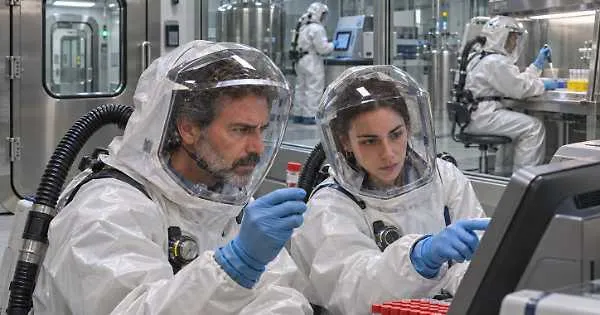
Bioterrorism involves the intentional use of bacteria, viruses, or toxins to cause disease in people, animals, or crops. While high-containment laboratories—classified as BSL-3 and BSL-4—exist to study dangerous pathogens for diagnostic and research purposes, these facilities operate under rigorous safety measures and are distinct from the illicit use of biological agents, Mondosanità reported.
The 2001 anthrax attacks in the United States, where letters containing spores caused 22 illnesses and five deaths, highlight that biological threats do not always result in widespread pandemics. Different agents require specific responses, and the initial defense relies on sentinel physicians identifying unusual clusters of symptoms before an alert can be triggered.
The Italian government approved the 2025-2029 Pandemic Plan on April 30, 2026, via the State-Regions Conference. This framework focuses on respiratory pathogens and establishes national and regional intervention protocols.
However, Rezza emphasized that a plan for respiratory pandemics does not automatically encompass all potential biological attack scenarios.
The effectiveness of the national response depends on the ability of hospitals, laboratories, and health authorities to coordinate. Rezza called for closer collaboration between the scientific community and policymakers to address resource and organizational challenges within the National Health Service.
“Un piano pandemico non basta scriverlo, bisogna renderlo operativo,” said Rezza.