Experimental T-Cell Therapy Leads to Complete Remission for Teen With Kidney Cancer
An experimental pediatric cancer treatment utilizing a single infusion of specially engineered T-cells has achieved a complete remission in a 17-year-old patient suffering from advanced, treatment-resistant kidney cancer that spread to his brain and liver, according to a research paper published on August 12 in the New England Journal of Medicine.
Overcoming the Solid Tumor Barrier in Pediatric Oncology
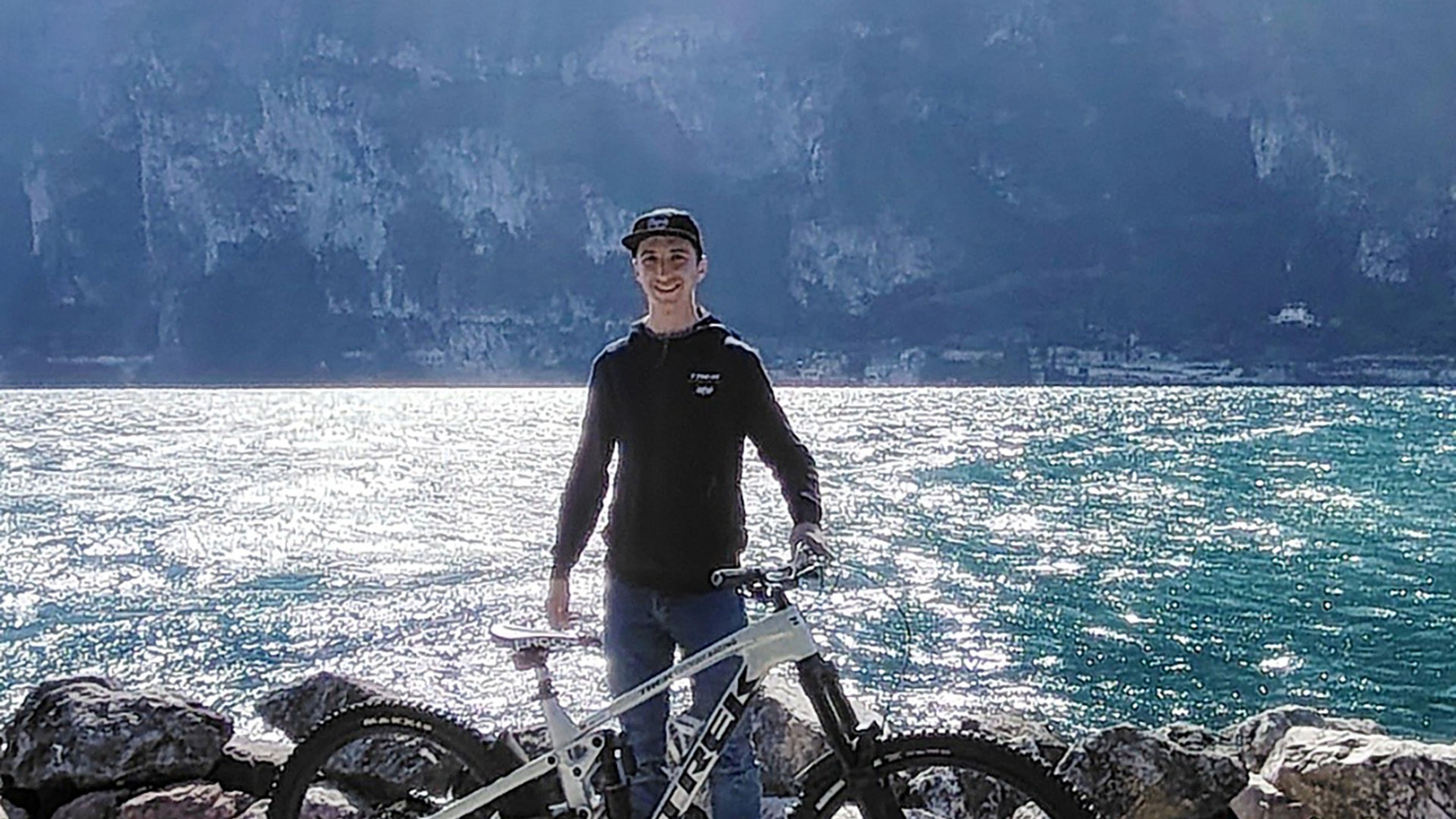
For a 7-year-old boy in Germany diagnosed with kidney cancer, life revolved around enduring a decade of rigorous treatments and returning to his passion for serious cycling. By age 17, however, the disease returned aggressively, spreading across multiple organs including the brain. Left with virtually no standard options, his clinical team offered an experimental therapy designed to buy limited time.
“The dogma over the past 10 years was, basically, if you have a large solid tumor, it’s not going to work,” explains Dr. Christian Seitz, who leads the Cell and Gene Therapy Program at the Hopp Children’s Cancer Center in Heidelberg. Solid tumors create protective microenvironments that shield them from standard immune cell attacks, historically restricting successful engineered T-cell therapies mostly to blood cancers.
Targeting PRAME with T-Cell Receptor-Engineered Therapy
Seitz and his colleagues identified that the patient’s tumors carried a protein known as PRAME, a common target previously investigated for melanoma, sarcoma, and various pediatric cancers. Working with Immatics Biotechnologies in Germany—a firm running clinical trials on PRAME-focused treatments—the team produced custom T-cells to target the internal protein.
Unlike standard CAR T-cell therapies that target surface proteins, this T-cell receptor-engineered approach targets proteins located within the cancer cells. This mechanism allows the engineered cells to operate more like natural immune cells. Following an intense two-week intensive care unit stay post-infusion, a follow-up eight weeks later revealed that all liver metastases had vanished, and other tumors had shrunk dramatically with no remaining live cancer cells detected.
Looking Ahead to Future Pediatric Clinical Trials
More than a year after the single infusion, the patient remains cancer-free, with follow-up blood panels showing persisting T-cells capable of hunting PRAME. Commenting from an external perspective, Rimas Orentas—who serves as an adjunct professor at the Johns Hopkins Bloomberg School of Public Health alongside his role heading immunotherapy at Miltenyi Biotec and had no involvement in the research—emphasized the importance of penetrating solid masses. “That’s the surprising part of this paper,” Orentas states, adding that while these therapies rarely help every patient, “when they benefit, they really benefit. I think that’s where we’re headed with this.”
Buoyed by these results, Dr. Seitz is actively planning a new clinical trial encompassing 18 pediatric cancer patients whose tumors express PRAME. For the teenage cyclist, the successful remission has already allowed a return to extreme downhill riding through trees and rocks.
Keep reading
- Oklahoma beat Mississippi State 23-15, per Sports Illustrated
- 20,000 Suspected Non-Citizen Voters Targeted by DOJ in California Election Warning
- Vanessa Trump Announces She Is Cancer-Free Following Breast Cancer Diagnosis (newsdirectory3.com)
- Why Breast Cancer Screening Now Starts at Age 40 (newsy-today.com)