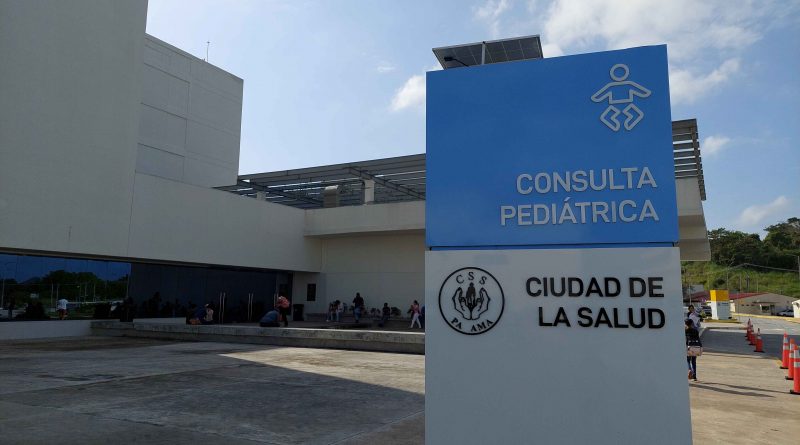
Expanded Pediatric Surgery Services at Ciudad de la Salud
The Social Security Administration (CSS) of Panama has opened a modern surgical suite within the Ciudad de la Salud complex specifically for the use of the Hospital del Niño, according to official CSS Noticias reports. This infrastructure expansion targets a reduction in surgical wait times for pediatric patients by transitioning low-complexity and ambulatory procedures from the primary children’s hospital to the specialized facilities at Ciudad de la Salud.
- Surgical Shift: Low-complexity and ambulatory pediatric surgeries move to Ciudad de la Salud.
- Capacity Goal: Increased throughput to reduce the surgical backlog at Hospital del Niño.
- Clinical Focus: Optimization of pediatric perioperative care through modernized facility access.
The redistribution of surgical volume addresses a critical bottleneck in Panama’s pediatric healthcare infrastructure. By diverting “low-complexity” cases—those requiring minimal anesthesia and posing low risk of systemic complications—the CSS aims to preserve the specialized intensive care and high-acuity resources at the Hospital del Niño for the most critical neonatal and pediatric cases. This strategy mirrors global standards for pediatric surgical triage, where the separation of ambulatory and inpatient streams reduces the risk of healthcare-associated infections (HAIs) and optimizes operating room (OR) utilization rates.
How does this shift impact pediatric surgical outcomes?
The transition to a modern surgical environment reduces the morbidity associated with prolonged wait times. In pediatric medicine, delays in “low-complexity” surgeries—such as inguinal hernia repairs or tonsillectomies—can lead to increased parental anxiety and potential progression of the condition. According to the World Health Organization (WHO), strengthening surgical systems is a key pillar of universal health coverage, as surgical care is often the most underserved component of health systems in developing regions.

The use of modernized suites at Ciudad de la Salud allows for a more streamlined recovery process. For patients requiring ambulatory care, the goal is a “same-day” discharge, which minimizes the risk of nosocomial infections. This approach aligns with the PubMed indexed literature on “Fast-Track” pediatric surgery, which emphasizes early mobilization and reduced opioid use to accelerate recovery.
“The goal is to optimize the use of our specialized spaces so that the most critical children receive priority attention while ensuring that those needing simpler procedures are not left waiting for months,” as indicated in the CSS operational directive.
What are the clinical risks of surgical backlogs in children?
Surgical backlogs in pediatric populations create a “compounding risk” profile. When low-complexity cases occupy high-acuity beds, the system faces a capacity crisis that can delay emergency interventions. This is particularly dangerous for conditions where the window for optimal intervention is narrow. The pathogenesis of untreated pediatric conditions can lead to permanent developmental delays or chronic morbidity if the standard of care is delayed by administrative or infrastructural bottlenecks.

To manage these risks, healthcare providers must implement rigorous triage protocols. For families navigating these systemic shifts, it is essential to work with [Pediatric Surgical Specialists] to ensure that the child is routed to the correct facility based on the complexity of the procedure. Proper triage ensures that a child requiring a simple ambulatory procedure does not occupy a bed needed for a post-operative ICU patient.
Who funds and manages these healthcare expansions?
The expansion and the operationalization of the surgical suites at Ciudad de la Salud are funded and managed by the Caja de Seguro Social (CSS), Panama’s public social security entity. This investment represents a state-led effort to modernize the clinical environment and integrate the various arms of the public health system. Unlike private-public partnerships (PPPs) seen in other regions, this is a direct institutional reallocation of resources to improve public health delivery.

The integration of these facilities requires strict adherence to healthcare compliance and regulatory standards. As the CSS expands its operational footprint, the need for [Healthcare Compliance Consultants] becomes paramount to ensure that patient data transfer between the Hospital del Niño and Ciudad de la Salud meets national privacy laws and clinical safety guidelines.
What is the long-term trajectory for pediatric care in Panama?
The move toward specialized ambulatory centers is a precursor to a more decentralized model of pediatric care. By removing the “surgical noise” of low-complexity cases from the main children’s hospital, the CSS is effectively transforming the Hospital del Niño into a tertiary referral center focused on high-complexity pathology and rare diseases. This is the gold standard in developed healthcare systems, such as those overseen by the Journal of the American Medical Association (JAMA) guidelines, where specialized centers focus on the most severe cases while community-based or ambulatory centers handle routine care.

Future improvements will likely involve the integration of minimally invasive surgical (MIS) technologies and robotic-assisted platforms, further reducing the length of hospital stays and improving the quality of life for pediatric patients. For administrators and B2B medical suppliers, this shift indicates a growing demand for [Advanced Surgical Equipment Providers] capable of outfitting ambulatory suites with high-precision, low-footprint technology.
The success of this initiative will be measured by the reduction in the “surgical waiting list” and the decrease in the average time from diagnosis to intervention. As the CSS continues to refine this model, the focus will shift toward ensuring that the transition between facilities is seamless for the patient and the family, maintaining a continuous chain of care regardless of the physical location of the surgery.
Disclaimer: The information provided in this article is for educational and scientific communication purposes only and does not constitute medical advice. Always consult with a qualified healthcare provider regarding any medical condition, diagnosis, or treatment plan.