
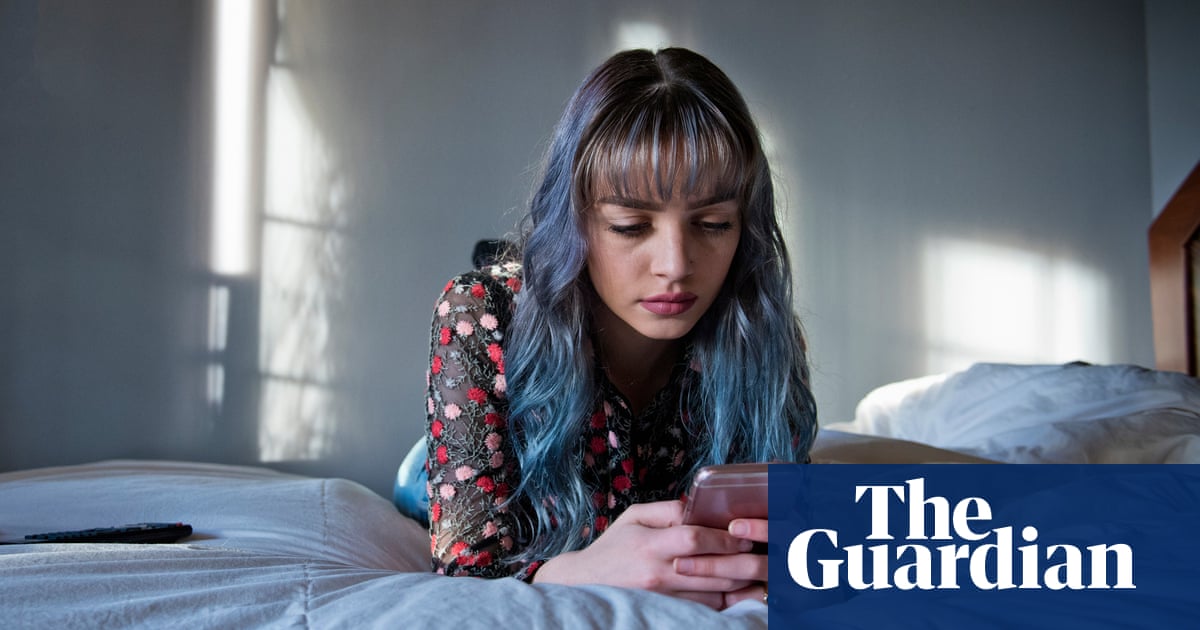
Moderate Social Media Use Linked to Better Teen Mental Health
A new study indicates that Australian teenagers who spend a moderate amount of time on social media report similar or even improved mental well-being. This finding challenges the widespread belief that all social media use harms young people, suggesting a nuanced relationship between screen time and mental health.
Moderate Users Fare Well
A survey by Mission Australia included 17,480 young Australians aged 15–19. The survey comes at a time when there is public discussion about restricting social media access for those under 16. A ban on social media for those under 16, including platforms like TikTok and Instagram, is slated to take effect in Australia in December.
…original tweet embed code…
The report found that 97% of young people used social media daily. Approximately 53% of those surveyed used social media for one to three hours each day.
The study revealed that 48% of gender-diverse individuals reported high social media use. In comparison, 42% of female respondents and 35% of male respondents reported high social media use.
Teenagers who spent one to three hours daily on social media reported feeling more in control of their lives (61%). This was higher than low users (59%) and high users (51%). Moderate users were also as likely to seek parental help as low users (63%), compared to high users (52%). Moreover, they experienced less difficulty socializing (26%) than low users (28%).
“There obviously been a dominant narrative that all social media use is bad for young people but actually what we found is that moderate users were faring better or the same as low users,”
—Dr. Louise La Sala, Lead Survey Author and Orygen Research Fellow
A recent study from the Pew Research Center found that 32% of teens report feeling anxious or stressed due to social media use.
Deeper Dive into Findings
Higher social media use was associated with poorer mental health and well-being. This included negative feelings about the future, a lack of control, and loneliness. This was especially true for gender-diverse participants, with 64% reporting high psychological distress, compared to 35% of females and 20% of males.
The youth mental health organization Orygen suggests that moderation is key when it comes to social media. Moderate users tend to fare as well as or better than low users. This “indicates that social media is not, in itself, a problem for all young people.”
According to Dr. La Sala, gender-diverse individuals often seek community and support online. The study could not determine if those experiencing distress spent more time online to seek help. It also couldn’t determine if increased time online affected distress.
Anthony Albanese, the prime minister, mentioned the benefits of children spending less time on social media. He suggested they could spend more time on the football field or netball court. However, the survey showed over half (55%) of those spending more than three hours daily on social media participate in sports. This figure rises to 67% for both moderate and low social media users.
Moving Forward
The impending ban on social media for those under 16 aims to mitigate harm. However, it is not the only solution. The research suggests that digital literacy is important. It helps young people, particularly those aged 14–15, navigate social media.
The government will soon receive a report on technology for verifying users’ ages on social media and adult websites. The communications minister, Anika Wells, will decide which platforms and technologies to use before the ban begins in December. Julie Inman Grant, the eSafety commissioner, recommended to Wells that YouTube not be exempt from these regulations.
