EV Incentives and Nickel Batteries Drive Economic Growth
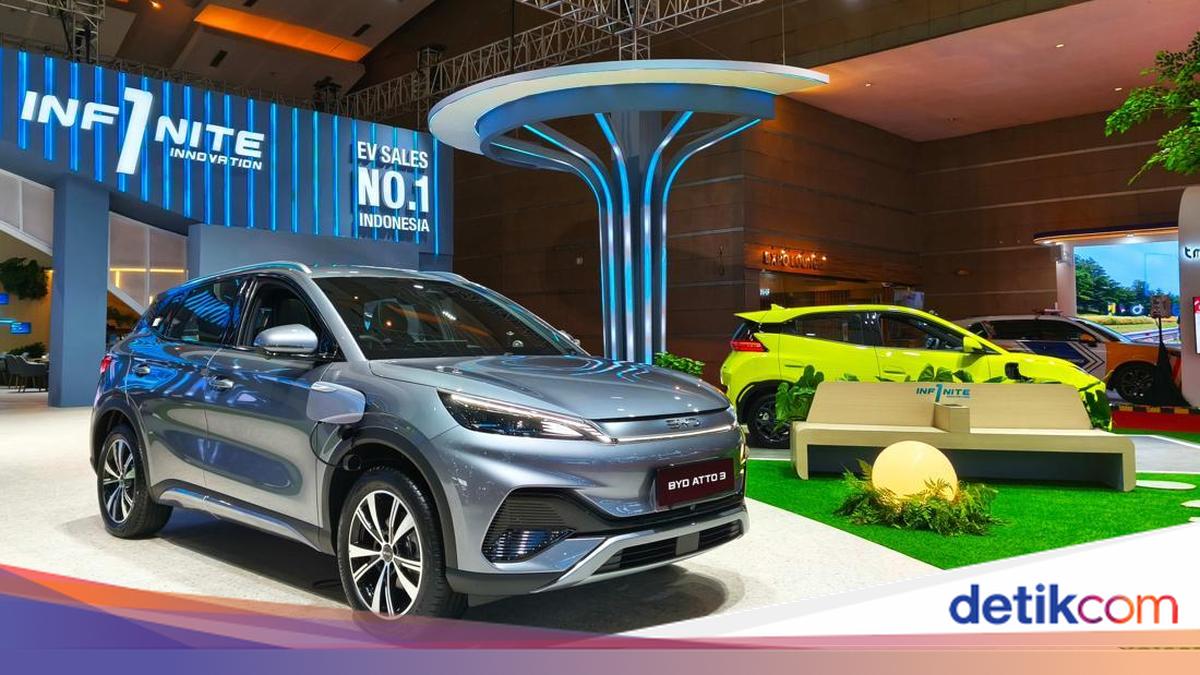
Indonesia is accelerating its electric vehicle (EV) incentive rollout to mitigate fuel dependency sparked by escalating Middle East geopolitical volatility. By prioritizing nickel-based battery technologies, the government aims to catalyze domestic industrial growth, a strategic move that industry leaders like BYD suggest achieves the same ultimate electrification goals as alternative battery chemistries.
The sudden necessity for energy decoupling has moved the EV transition from an environmental luxury to a core fiscal imperative. For Jakarta, the math is simple: reducing reliance on imported fuels is the only way to insulate the national budget from the unpredictable swings of global oil markets. This shift creates a massive, immediate opening for energy transition consultants and specialized infrastructure providers to step into a rapidly maturing market.
The Geopolitical Catalyst for Energy Decoupling
Geopolitical instability in the Middle East, specifically involving tensions between Iran, Israel, and the United States, has fundamentally altered the risk profile of fuel-dependent economies. For Indonesia, the volatility in energy markets is no longer just a headline; it is a structural threat to fiscal stability. The government’s move to prepare new EV incentives is a direct defensive response to this instability.
By incentivizing the adoption of electric vehicles, policymakers are attempting to engineer a permanent reduction in national fuel consumption. This is not merely about decarbonization. It is a strategic pivot toward energy sovereignty. As the cost of maintaining fuel subsidies becomes increasingly difficult to manage amidst global supply shocks, the push for electrification serves as a critical pressure valve for the national budget.
This transition requires more than just consumer subsidies. It demands a wholesale reconfiguration of the energy grid and the logistics networks that support it. Companies specializing in grid modernization services are finding themselves at the center of this structural overhaul, as the nation seeks to replace liquid fuel demand with electrical load capacity.
The Nickel-Centric Subsidy Model: Industrial Sovereignty vs. Battery Chemistry
The architecture of Indonesia’s new incentive program is highly specific: it favors vehicles equipped with nickel-based batteries. This is a calculated move to leverage the nation’s significant mineral wealth, effectively using consumer subsidies to drive demand for its own domestic raw materials. This “downstreaming” approach aims to move the country up the value chain, from a raw material exporter to a central hub for battery production and assembly.
However, this preference for nickel has sparked debate regarding the flexibility of the EV market. While the government is doubling down on nickel to secure its industrial future, global manufacturers continue to innovate with alternative chemistries, such as Lithium Iron Phosphate (LFP).
“Whether the technology utilizes nickel or LFP, the ultimate goal remains the same: the total electrification of transport.”
The sentiment expressed by BYD highlights a growing tension in the industry. While the Indonesian government is using policy to pick a technological winner to support its domestic mining sector, the global market is moving toward a multi-chemistry landscape. For B2B players in the supply chain and logistics sector, this means preparing for a complex, bifurcated market where different vehicle segments may rely on vastly different mineral flows.
The fiscal implications of this policy are substantial. By tying incentives to specific battery types, the government is essentially directing capital toward a specific segment of the industrial base. This creates a high-stakes environment for automotive OEMs and battery manufacturers who must align their regional production strategies with local subsidy frameworks to remain competitive.
Economic Multipliers: Infrastructure and Clean Energy
The benefits of this policy shift are expected to extend far beyond the automotive sector. The Indonesian Export-Import firms (Indef) have noted that the combination of EV infrastructure incentives and clean energy investment is a primary driver for broader economic stimulation. The logic is rooted in the multiplier effect: government spending on charging networks and renewable energy integration creates a ripple effect of demand across multiple industrial sectors.

This creates a massive demand for infrastructure development firms capable of executing large-scale, multi-year projects. The transition requires a synchronized deployment of:
- Charging Network Expansion: Rapidly scaling the availability of public and private charging stations to alleviate consumer range anxiety.
- Mineral Processing Facilities: Increasing the domestic capacity to refine nickel into battery-grade materials.
- Grid Resilience Upgrades: Ensuring that the electrical infrastructure can handle the increased load of a mass-market EV fleet.
- Renewable Energy Integration: Aligning the EV transition with clean energy sources to ensure the total lifecycle carbon footprint is reduced.
As these sectors converge, the opportunity for enterprise-level service providers grows. We are seeing a shift where the “EV story” is no longer just about cars, but about the entire industrial ecosystem required to sustain them. This includes everything from specialized legal counsel for navigating new industrial policies to sophisticated fintech solutions for managing large-scale energy transactions.
The complexity of these overlapping regulatory and industrial shifts means that mid-market firms and large enterprises alike will require high-level industrial policy advisory services to navigate the evolving landscape. Success in this new economy will belong to those who can anticipate the next move in the government’s strategic playbook.
The Indonesian EV market is transitioning from a period of speculative interest to one of state-driven industrial mobilization. For investors and B2B providers, the signal is clear: the window for early-mover advantage in the nickel-based battery ecosystem and the supporting infrastructure is opening. As the government continues to weaponize its mineral wealth to achieve energy security, the companies that build the backbone of this new economy will be the ones to capture the most significant long-term value. To find the vetted partners capable of navigating this complex transition, explore the World Today News Directory.