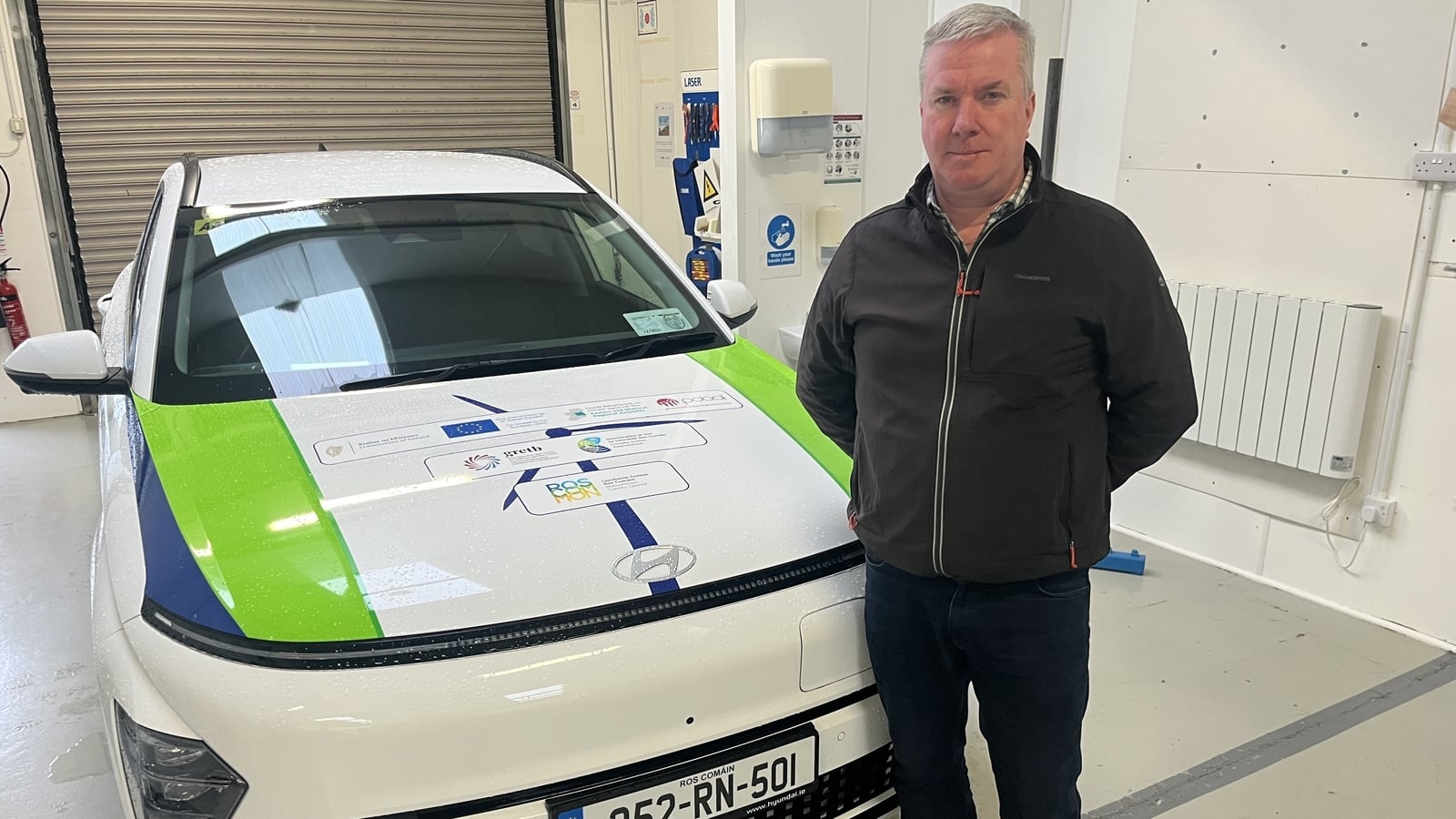
EV Boom Risks Technician Shortage: Urgent Call for Training
As electric vehicle registrations surge past 18 million across Europe by Q1 2026, a critical shortage of certified EV technicians threatens to stall after-sales service capacity, creating urgent demand for scalable training platforms and workforce development solutions from specialized B2B providers.
The Training Gap Widens as EV Fleet Ages
With over 60% of Europe’s EV fleet now beyond its initial warranty period, independent garages report a 40% increase in diagnostic-related service delays, according to the European Automobile Manufacturers’ Association (ACEA) Q1 2026 mobility report. This bottleneck directly impacts customer retention and increases average repair cycle times by 11 days, eroding aftermarket profitability for OEM-aligned service networks. The situation is exacerbated by a 22% year-over-year decline in apprenticeship completions for automotive electric systems, as cited in Ireland’s SOLAS Further Education and Training Authority annual outlook.
“We’re seeing service bays idle not for lack of demand, but because technicians lack the high-voltage safety certifications and OEM-specific software training needed to work on 800V architectures.”
The financial implications are material: deferred maintenance leads to a projected €1.8 billion in avoidable warranty claims across the EU by 2027, per a McKinsey Center for Future Mobility analysis. Meanwhile, third-party service providers like Eurorepar Car Service are experiencing margin compression, with EBITDA in their EV service segment falling from 14.2% in 2023 to 9.7% in 2025 due to reliance on subcontracted specialists at premium rates.
Upskilling Mandates Trigger Corporate Training Spend
In response, national governments are mobilizing public-private funding streams. Ireland’s National Training Fund allocated €45 million in Q1 2026 specifically for EV technician upskilling, matched by industry contributions under the Skillnet Ireland framework. This mirrors Germany’s Qualification Opportunities Act (QOG), which subsidizes 50% of training costs for SMEs in the automotive sector, triggering a projected €320 million in corporate training expenditure across DACH markets this year.
Enterprise learning platforms are seeing accelerated adoption. Coursera for Business reported a 210% YoY increase in enrollments for its “Electric Vehicle Systems” specialization among automotive corporate clients, while Pluralsight’s automotive vertical saw enterprise contract values rise 65% in H1 2026. These shifts signal a structural shift toward centralized, LMS-delivered competency tracking—particularly for OEMs needing to validate technician qualifications across decentralized franchise networks.
“The real cost isn’t in the training—it’s in the downtime when a vehicle sits waiting for a qualified technician. Leading fleets are now treating certification as a critical path item in vehicle readiness SLAs.”
Directory-Ready Solutions Emerge
This skills deficit creates immediate B2B opportunities. Workforce analytics firms are being engaged to map competency gaps against OEM service schedules, enabling predictive staffing models. Simultaneously, corporate law firms specializing in labor regulation are advising on apprenticeship contract structuring to meet EU Directive 2023/2465 on transparent and predictable working conditions. Enterprise content providers are being commissioned to develop localized, multilingual training modules that align with ISO 17024 standards for personnel certification—critical for cross-border service harmonization in the EU single market.
As OEMs shift from vehicle sales to mobility-as-a-service models, aftermarket service reliability becomes a key differentiator in customer lifetime value calculations. The technician shortage isn’t merely an operational hiccup—it’s a systemic risk to the profitability of the EV value chain, demanding coordinated action from training providers, regulatory advisors and digital learning platforms equipped to deliver scalable, auditable upskilling at pace with technological change.
For organizations seeking vetted partners to address these workforce challenges, the World Today News Directory offers access to specialized B2B firms in corporate training, regulatory compliance, and enterprise learning infrastructure—each vetted for their ability to deliver measurable outcomes in high-stakes technical domains.