
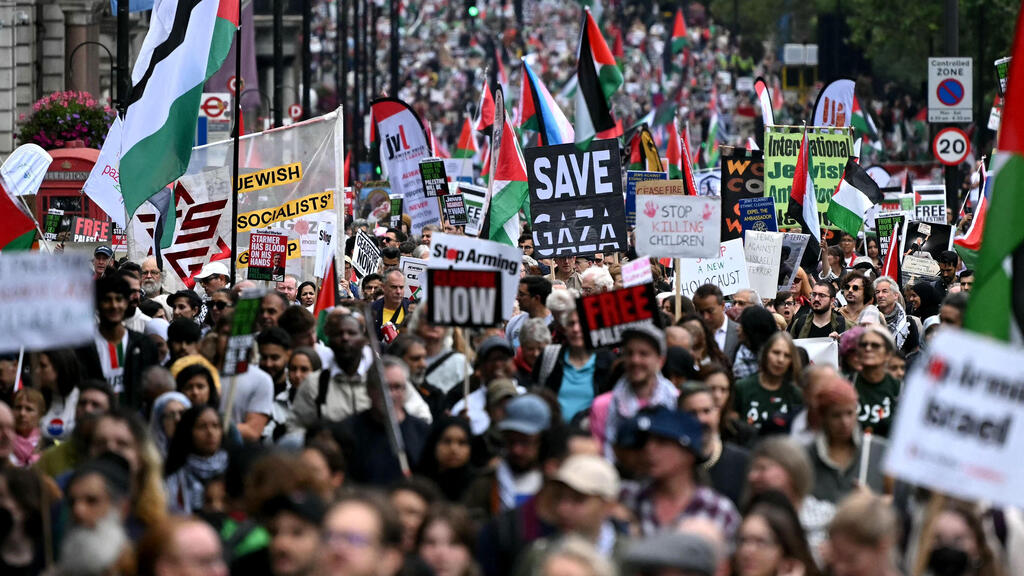
Amidst escalating international debate over recognizing Palestinian statehood, experts warn that symbolic recognition without concrete follow-up actions risks undermining ongoing diplomatic efforts and potentially destabilizing the region. The discussion follows recent votes in several European parliaments – including Spain,Ireland,and Norway – in favor of recognizing palestine,and a similar move being considered by the United Nations Security Council.
Dr. Ghassan Salfiti,a political analyst at the Ramallah-based Palestine Council for International Relations,cautioned that recognition devoid of tangible progress would be detrimental. “If the international community acknowledges Palestine as a state without enacting further measures, it effectively signals the end of the diplomatic path,” Salfiti stated. He further argued such a move would “crucify international law,” creating a precedent where occupation and displacement become normalized, potentially leading to a return to the pre-world War II era’s instability. The Oslo Accords, signed in 1993, aimed to establish a framework for resolving the Israeli-Palestinian conflict through negotiations, but the process has remained largely stalled.
Dr. Ofer Sabel, a senior research fellow at the Institute for National Security Studies in Tel Aviv, concurred that sustained negotiations are the only viable solution. “While international pressure on Israel may intensify, genuine progress hinges on direct talks,” Sabel explained. “Without mutually agreed-upon borders – based on the 1967 borders wiht land swaps, as proposed in various peace initiatives – and a functioning Palestinian governance structure, recognition remains largely symbolic.” The last round of direct negotiations between Israeli and Palestinian leaders occurred in 2014, mediated by the United States.
