Europe Sets New Record for Extreme Weather Deaths as Fossil Fuel Subsidies Surge to €444 Billion — A Sharp, Alarming Rise
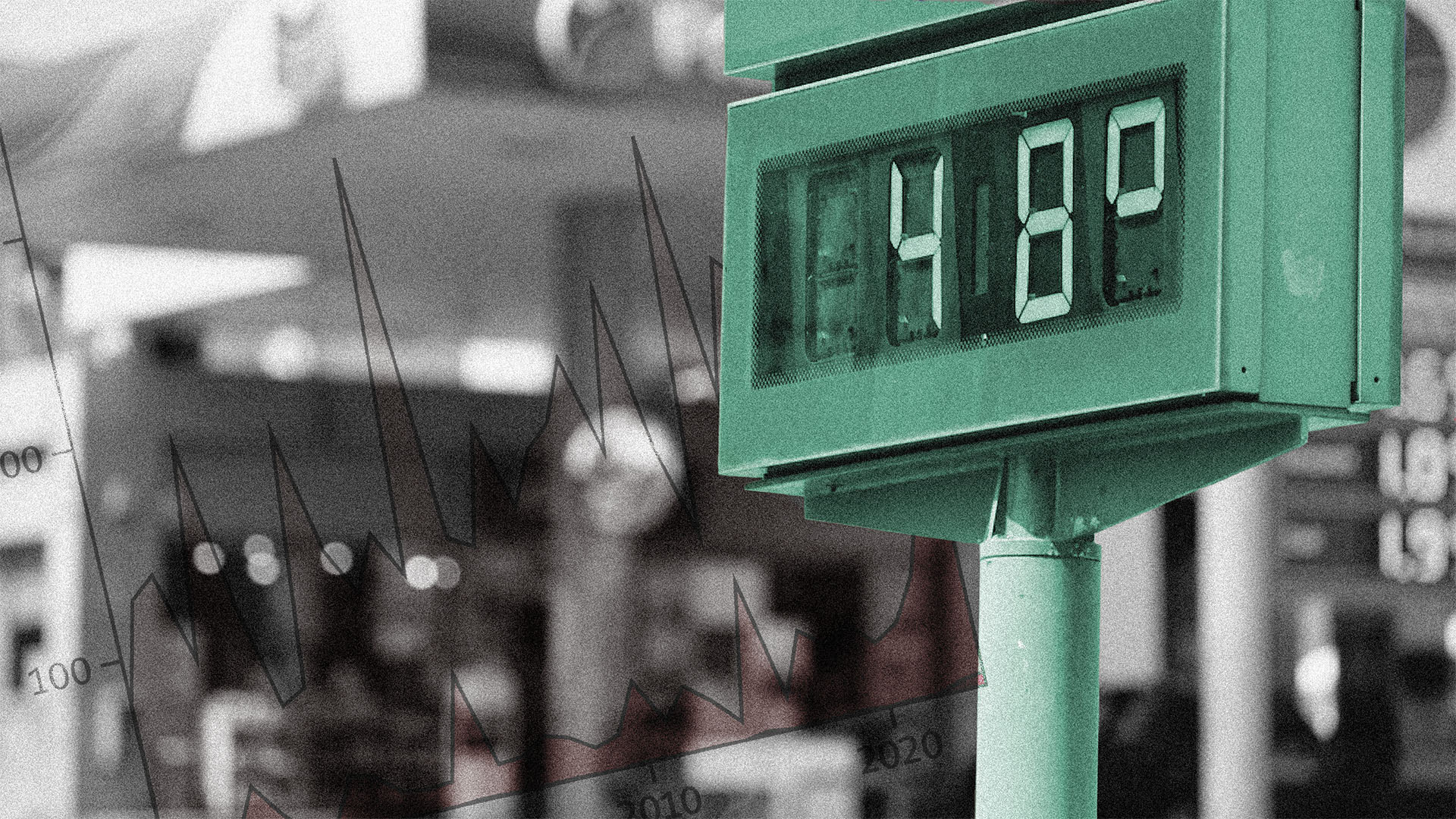
Extreme weather events across Europe have triggered a record number of climate-related fatalities in 2024, with over 61,000 deaths linked to heatwaves, floods and storms, while fossil fuel subsidies surged to €444 billion—nearly double the 2023 total—raising urgent questions about policy misalignment and public health vulnerability as governments face mounting pressure to reconcile climate emergency responses with entrenched energy subsidies.
The Human Toll Behind the Statistics
The record-breaking mortality figure, verified by the European Environment Agency’s latest assessment, represents not just a statistical anomaly but a cascading failure of adaptive capacity in densely populated urban centers. In Marseille, emergency rooms reported a 40% spike in heatstroke cases during July’s prolonged heatwave, overwhelming local hospitals already strained by nursing shortages. Meanwhile, in Valencia, flash floods from unprecedented rainfall destroyed over 2,000 homes in a single night, displacing families and exposing critical gaps in municipal drainage infrastructure built for 20th-century climate norms.
These are not isolated incidents. The pattern repeats from Lisbon to Riga: extreme weather is no longer a future risk but a present-day killer, disproportionately affecting elderly populations, outdoor laborers, and low-income communities lacking access to cooling centers or flood-resistant housing.
Subsidies Soaring as Temperatures Rise
Contrasting sharply with the human cost, data from the International Energy Agency shows European governments allocated €444 billion in fossil fuel subsidies in 2024—equivalent to 1.8% of the EU’s combined GDP. This figure includes direct budgetary transfers, tax exemptions, and underpriced access to natural resources, with Germany, Italy, and Poland accounting for nearly half the total. Notably, these subsidies increased despite the EU’s legally binding commitment under the European Climate Law to achieve net-zero emissions by 2050.

Critics argue this financial support distorts market signals, prolongs dependence on coal and gas, and diverts funds from adaptation measures that could save lives. “We are essentially paying polluters to make the problem worse while our citizens pay the price with their health,” said Dr. Elena Rossi, climate policy analyst at the Institute for European Environmental Policy, in a recent briefing to the European Parliament’s Environment Committee.
The Policy Paradox in Action
Nowhere is this contradiction more visible than in Poland, where state-owned energy firms received over €60 billion in subsidies last year to maintain coal operations, even as the city of Kraków recorded its highest-ever summer mortality rate—28% above the 1990–2020 average. Local officials describe a frustrating cycle: emergency services are stretched thin during heat events, yet long-term investments in urban greening or heat-resilient public transit remain underfunded.
In response, Kraków’s city council passed a resolution in March 2025 calling for a national audit of fossil fuel subsidies and their impact on public health outcomes. “We necessitate transparency on where public money is going and whether it’s actually protecting people or propping up obsolete industries,” stated Zbigniew Kowalski, Kraków’s Deputy Mayor for Urban Resilience, in a public hearing broadcast by Polish Radio.
“Every euro spent keeping coal plants online is a euro not spent on cooling schools, retrofitting nursing homes, or planting urban forests—measures that directly reduce mortality during heatwaves.”
Who Solves This? The Directory Bridge
The escalating climate-health crisis demands immediate, localized action. Municipal governments scrambling to protect vulnerable populations during extreme weather events rely on rapid-deployment networks of emergency restoration contractors to repair flood-damaged infrastructure and restore power and water within hours—not days. Simultaneously, urban planners and public health officials seeking to implement long-term resilience strategies are turning to climate adaptation specialists who conduct heat vulnerability assessments and design green infrastructure projects tailored to specific city microclimates.
For communities facing legal exposure due to inadequate climate preparedness—such as lawsuits alleging negligence in flood defense maintenance—access to experienced environmental litigation attorneys becomes critical. These legal experts facilitate municipalities navigate liability claims while advising on compliance with evolving EU directives on climate adaptation and disaster risk reduction.
The Road Ahead: Adaptation or Acquiescence?
As Europe braces for another summer of record temperatures, the disconnect between soaring fossil fuel subsidies and rising climate mortality presents a clear policy choice: continue financing the drivers of extreme weather, or redirect those vast resources toward saving lives through adaptation. The technology and knowledge to build heat-resilient cities exist—what’s missing is the political will to stop subsidizing the problem and start investing in the solution.
Until that shift occurs, the most immediate protection for communities lies in accessing verified, local expertise through trusted networks—because when the next heatwave hits, the difference between life and death may depend not on national policies alone, but on the readiness of the first responders, adaptation planners, and legal advocates already working on the ground.