
Hungary‘s Veto Threatens to Stall Ukraine‘s EU Membership Bid, Exposing Deep rifts Within the Bloc
Brussels – Hungary is leveraging its veto power to block Ukraine’s path to European Union membership, capitalizing on existing divisions amongst member states who are hesitant to relinquish their own ability to obstruct potential candidate countries. The impasse highlights the complex challenges facing EU expansion and the delicate balance between national interests and collective goals.
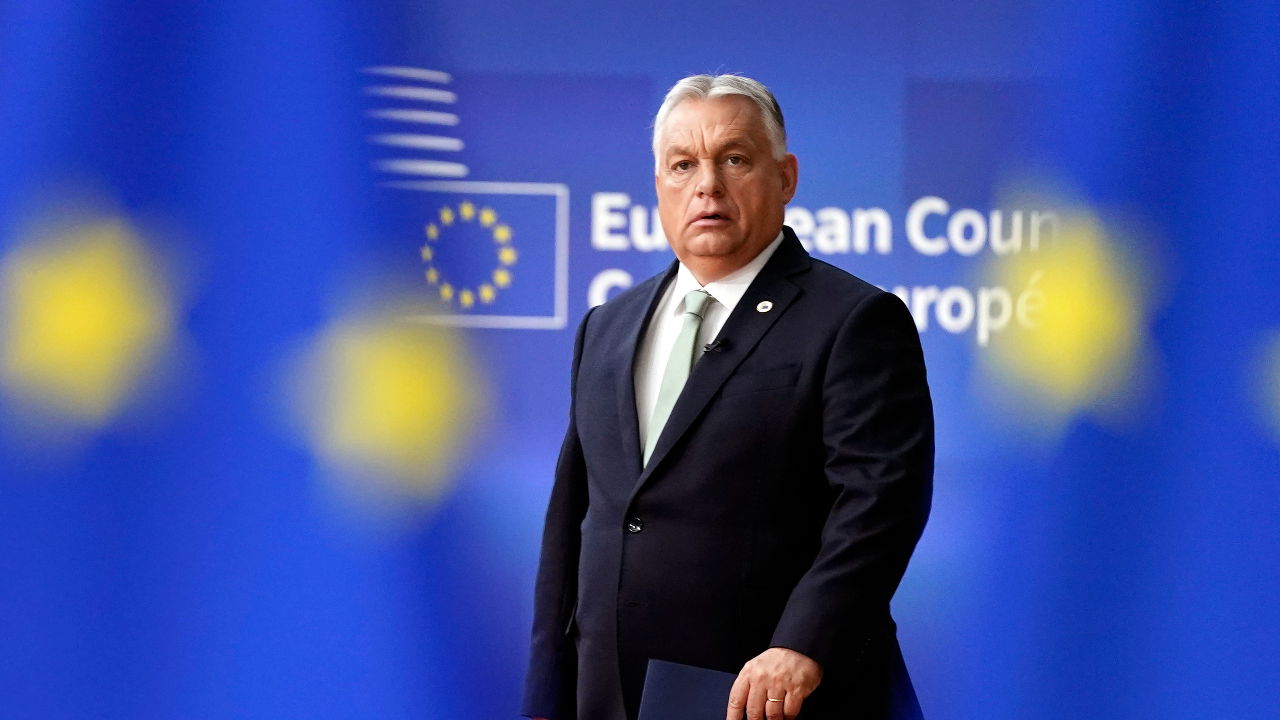
According to a report by Politico, Hungarian Prime Minister viktor Orbán, while standing largely alone in his opposition to Ukraine’s accession, is finding unexpected support from other European leaders who are keen to preserve the veto as a tool for national leverage.
The current stalemate stems from a proposal by European Council President António Costa to reform EU rules, potentially allowing accession negotiations to proceed with a qualified majority vote rather than requiring unanimous consent. This move was specifically designed to circumvent Hungary’s resistance to Ukraine and Moldova’s applications.
However, costa’s proposal has met with significant pushback from influential nations including France, the Netherlands, Greece, and Denmark. These countries fear that altering the accession process would diminish their own capacity to veto candidates they deem unsuitable.
This resistance inadvertently creates a strategic opportunity for Orbán. the Hungarian leader can exploit pre-existing tensions within the EU, were several nations are protective of their veto rights regarding specific candidate countries. Greece,for example,seeks to maintain its veto over Turkey’s membership,while Bulgaria aims to control North Macedonia’s accession,and Croatia historically opposes Serbia’s entry.
While Finnish President Alexander Stubb has voiced support for measures to accelerate Ukraine’s application, opponents of the rule change argue that altering established procedures mid-process would be detrimental. Concerns are also being raised that a shift to qualified majority voting coudl lead to increased politicization of the accession process.
Critically, any change to the EU’s decision-making process requires unanimous approval from all 27 member states - a near impossibility given Hungary’s firm opposition. this leaves ukraine and Moldova’s EU aspirations in limbo, despite strong support from key EU officials.
The current impasse underscores the inherent difficulties in EU expansion and the persistent tension between national sovereignty and the pursuit of collective objectives. While Orbán may find temporary allies in his opposition to ukraine’s membership, the long-term consequences of weakening the principle of unanimous decision-making remain uncertain, potentially reshaping the future of the European Union.
