
EU to Regulate Google, Amazon & Apple Smart TVs at Broadcasters’ Request
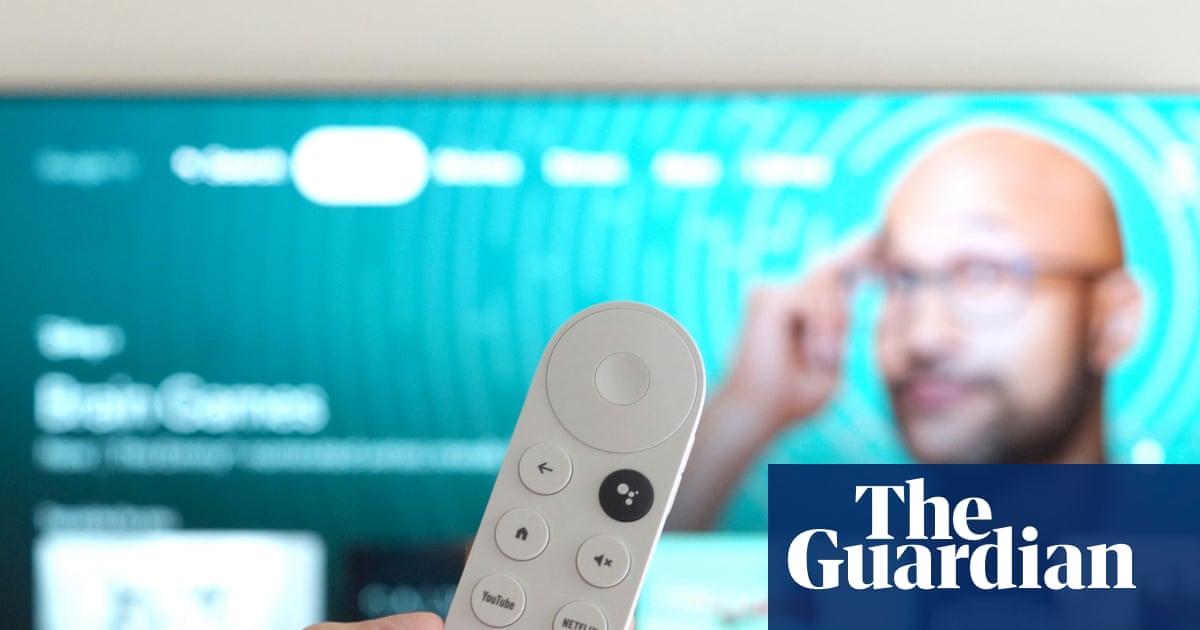
Europe’s largest broadcasters are calling for the European Union to extend its most stringent tech regulations to smart televisions and virtual assistants produced by Google, Amazon, Apple, and Samsung. The request, delivered in a letter to EU antitrust chief Teresa Ribera, centers on concerns that these tech giants are leveraging their control over TV operating systems and voice assistants to unfairly prioritize content and stifle competition.
The push is led by the Association of Commercial Television and Video on Demand Services in Europe (ACT), whose membership includes major players such as Canal+, RTL, Mediaset, ITV, Paramount+, NBCUniversal, Walt Disney, Warner Bros Discovery, Sky, and TF1 Groupe. According to ACT, the growing dominance of these platforms allows them to act as “gatekeepers,” influencing what content users see and how easily they can access it.
“A limited number of operators are therefore gaining growing ability to shape outcomes for millions of users and businesses by controlling access to audiences and content distribution,” ACT wrote in the letter, as reported by Reuters. The association specifically pointed to the recommendation systems and search functions within services like Amazon’s Fire TV and Google TV as potential tools for favoring certain content providers over others.
The broadcasters argue that designating these TV operating systems as “gatekeepers” under the EU’s Digital Markets Act (DMA) – which came into force in 2023 – is crucial to ensuring a fair and competitive market. The DMA is designed to curb the power of large technology companies and expand consumer choice. ACT’s letter urges the commission to provide adequate oversight to guarantee fairness.
Market share data cited by ACT in the letter, from a 2025 study, shows Android TV increasing its share from 16% to 23% between 2019 and 2024, although Amazon Fire OS rose from 5% to 12% over the same period. Samsung’s Tizen OS currently holds approximately 24% of the market.
The move comes as tensions escalate between European authorities and the United States over the regulation of US tech companies. The Trump administration has characterized the EU’s enforcement of anti-competition rules as “discriminatory” against American firms. In February, the EU threatened action against Meta for restricting rival AI chatbots from accessing its WhatsApp business platform, alleging abuse of its dominant market position. Meta disputed the claim, asserting that WhatsApp is not a key distribution channel for AI chatbots.
On Monday, Ribera indicated that a decision is forthcoming regarding whether Google’s search engine is in violation of the EU’s Digital Markets Act, an investigation that began in 2024. Simultaneously, the US imposed sanctions in December on former European Commissioner Thierry Breton, along with four other Europeans, accusing them of censorship and suppressing American viewpoints – a move widely interpreted as retaliation for European regulation of US tech platforms. Breton is currently challenging the sanctions, with the European Commission announcing its support.
Google, Amazon, Apple, and Samsung have yet to publicly respond to the broadcasters’ letter.