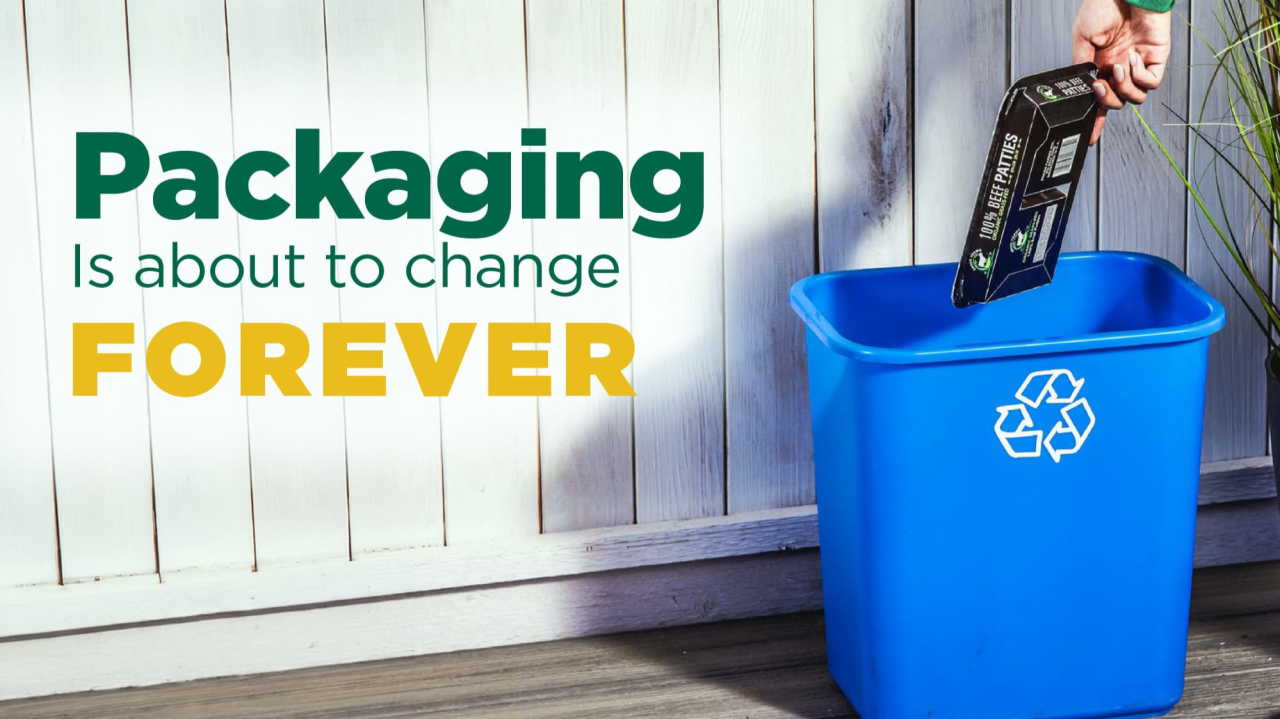
EU to ban non-recyclable packaging from its market by 2030
Starting in 2030, packaging that is labeled technically non-recyclable cannot be placed on the European Union market under rules put into place to further a sustainable future for recycling, newsblaze.com reported.
The 2022 Proposal of the Packaging and Packaging Waste Regulation
The regulatory shift began taking shape in 2022 when the European Commission proposed the Packaging and Packaging Waste Regulation. This comprehensive framework replaced older directives dating back to 1994. The legislation aims to curb mounting waste volumes, boost overall material recyclability, and drive the adoption of circular materials such as paperboard throughout the European marketplace.
Packaging will soon be evaluated per unit by weight using a newly established grading system known as Design for Recycling. Under these standards, Grade A represents 95 percent recyclability, Grade B reaches 80 percent, and Grade C hits 70 percent. Anything falling below that 70 percent threshold is classified as technically non-recyclable.
EU Mandates Standardized Waste Sorting Labels by 2028
Secondary legislation development will continue over the next few years to flesh out the technical requirements of the framework. By 2028, standardized and mandatory labels for waste sorting will become a legal requirement across all consumer packaging and waste receptacles in the European Union. These labels must follow strict color-coding rules and harmonize bin markings from country to country.

By 2028, the specific Design for Recycling rules are scheduled to be fully defined through delegated acts. Manufacturers utilizing materials like paperboard—which is produced using wood and recycled fibers and can be recycled ten times or more—must align their production cycles with these impending criteria before market enforcement begins.
EU Market Restricts Low-Grade Materials by 2030
When 2030 arrives, every piece of packaging placed on the EU market must comply with the Design for Recycling grading criteria. Most plastic packaging parts will encounter strict limitations. Single-use items including cups, bowls, forks, plates, and paper lids will face immediate restrictions, while single-use plastics must also meet initial minimum recycled content targets.

Eurostat data from 2023 shows that 87 percent of paperboard is recycled in Europe, compared to 42 percent for plastic. Companies manufacturing folding cartons, such as Graphic Packaging International, operate supply chains that depend on these material distinctions as regulatory pressure mounts.
EU Aims to Reduce Packaging Waste by 2035
Looking further ahead, the European Union has set a goal to reduce total packaging waste by 10 percent by 2035. By this milestone year, all packaging circulating within the bloc must achieve full recyclability at scale.
The timeline extends even further into the decade. By 2038, all packaging in the European Union must satisfy even stricter grading criteria for recyclability, locking in permanent operational changes for commercial producers and international brands alike.