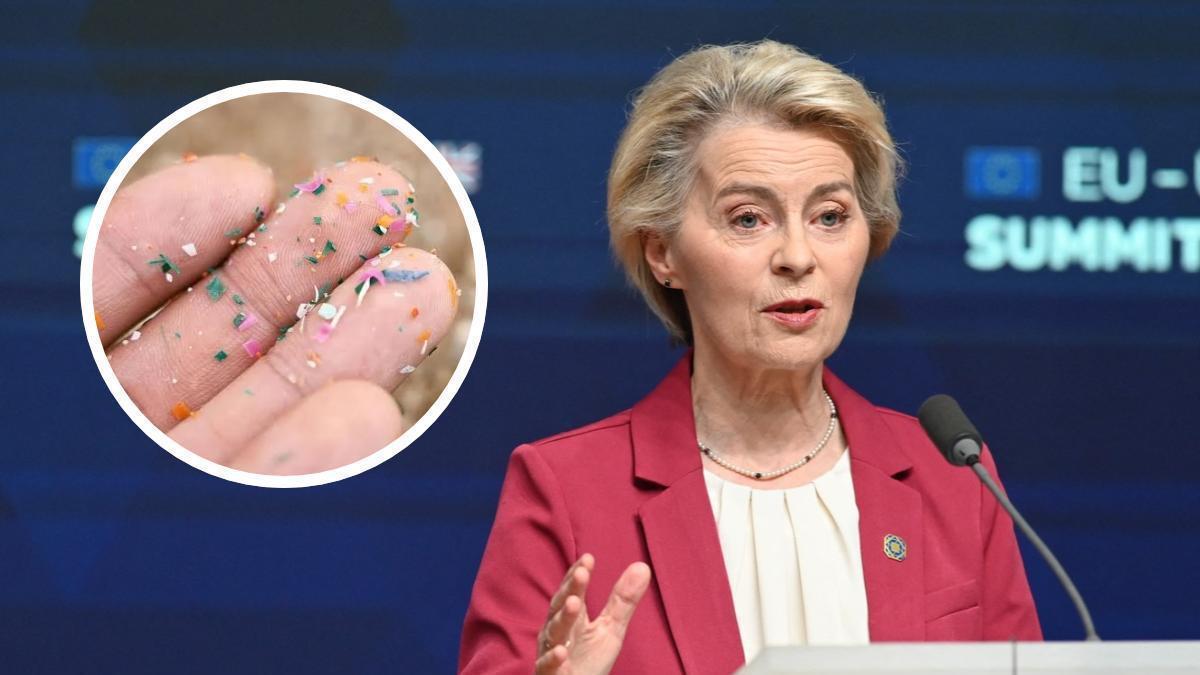
EU Microplastics Ban Hits Shampoos and Gels in Murcia Shops by 2027
Starting October 17, 2027, the European Union will prohibit the sale of specific shampoos, shower gels, and other rinse-off hygiene products containing intentionally added synthetic polymer microplastics, according to La Opinión de Murcia. This regulatory shift, aimed at reducing environmental contamination, requires manufacturers to reformulate products that currently rely on these non-degradable particles to achieve specific textures or formulas.
This action is not a completely new prohibition, as the European Union has been implementing a broader strategy to mitigate environmental damage caused by microplastics in everyday items.
- The ban specifically targets synthetic polymer microparticles smaller than 5mm that are insoluble and resistant to environmental degradation.
- Rinse-off products are the primary focus of the 2027 deadline, while other categories like cosmetics and fragrances have extended compliance windows through 2035.
- Consumers do not need to discard current products, as the regulation focuses on the manufacturing and market entry of new goods rather than retroactive disposal of household items.
Regulation EU 2023/2055 governs synthetic polymers
The European Union established the current regulatory framework through Regulation (EU) 2023/2055, which was formally adopted in September 2023. According to reporting by La Opinión de Murcia, this mandate restricts the intentional addition of microplastics to consumer goods to mitigate the accumulation of these particles in aquatic ecosystems and the food chain.
The regulation defines these microplastics as organic, insoluble, and degradation-resistant synthetic polymer particles smaller than 5mm, as noted by 20minutos. The scope of the regulation depends on the specific composition and intended use of each product, as it includes certain exceptions.
These particles have historically been integrated into personal care items to stabilize formulas, modify product texture, or provide specific sensory effects. Once rinsed down the drain, these microplastics enter wastewater streams, where their removal becomes technically and economically unfeasible.

Timeline for phase-out of microplastics
The transition process for the industry is structured across several years to allow manufacturers to identify alternatives that are less polluting. The initial phase of the restriction began on October 17, 2023, specifically targeting plastic microbeads used for exfoliation and abrasive cleaning, according to Mundodeportivo.
The upcoming deadline on October 17, 2027, represents the conclusion of the grace period for remaining rinse-off cosmetic products. If items contain the restricted microparticles, they can no longer be sold in any European Union country, including pharmacies, supermarkets, and drugstores in affected regions.
The regulatory schedule for subsequent categories is as follows:
- October 17, 2027: Final deadline for rinse-off cosmetic products, including shampoos and shower gels.
- October 17, 2028: Implementation for detergents, waxes, polishes, and air care products.
- October 17, 2029: Restrictions apply to fragrance encapsulation, leave-on cosmetics (excluding makeup, lip, and nail products), and sanitary items under Regulation (EU) 2017/745, provided they do not contain microbeads.
- October 17, 2035: Final compliance date for lip, nail, and makeup products.
Impact on regional product availability
Retailers and pharmacies in regions like Murcia must ensure that by the 2027 deadline, their inventory adheres to the updated chemical safety standards. While the regulation is comprehensive, it does not mandate a universal ban on all plastic-derived ingredients. The policy specifically excludes polymers that are natural, biodegradable, or soluble in water, provided they meet strict criteria for environmental safety.
Manufacturers are currently tasked with identifying sustainable alternatives to synthetic polymers. For products that will remain on the market until 2035, such as certain makeup items, the EU requires specific labeling to notify consumers of the presence of microplastics starting in 2031, 20minutos reported. Between October 17, 2031, and October 16, 2035, these products must carry a warning label regarding their microplastic content.
Restricts polymers over microplastic persistence concerns
The decision to restrict these polymers is rooted in concerns regarding the persistence of microplastics in the environment. Research indicates that these particles have been detected in soil, drinking water, and various food supplies. While the long-term clinical implications of chronic human exposure to these specific cosmetic microparticles are subject to ongoing longitudinal observation, the regulatory approach prioritizes the precautionary principle.
For individuals with concerns regarding potential dermal reactions or chemical sensitivities to new product formulations, it is advisable to seek guidance from a board-certified dermatologist. Similarly, businesses and suppliers dealing with these shifting safety standards should consult with professionals specializing in environmental regulatory compliance to ensure that their product portfolios meet the evolving technical requirements of the European Chemicals Agency.
The European Union, which was established by the Maastricht Treaty in 1993, now operates as a political and economic union of 27 member states. This organization, which was awarded the Nobel Peace Prize in 2012, functions as a sui generis entity that combines characteristics of both a federation and a confederation.
Its foundational internal single market is designed to ensure the free movement of goods, services, and capital across its member states, supported by a standardized legal framework. With a population of just under 452 million as of 2026, the union maintains permanent diplomatic missions globally and represents itself in major international forums including the United Nations and the G20.
Disclaimer: The information provided in this article is for educational and scientific communication purposes only and does not constitute medical advice. Always consult with a qualified healthcare provider regarding any medical condition, diagnosis, or treatment plan.